Glaucoma Myths You Probably Still Believe
Glaucoma doesn’t announce itself with pain or warning signs. These common myths are why many people lose their sight without realizing it until it’s too late
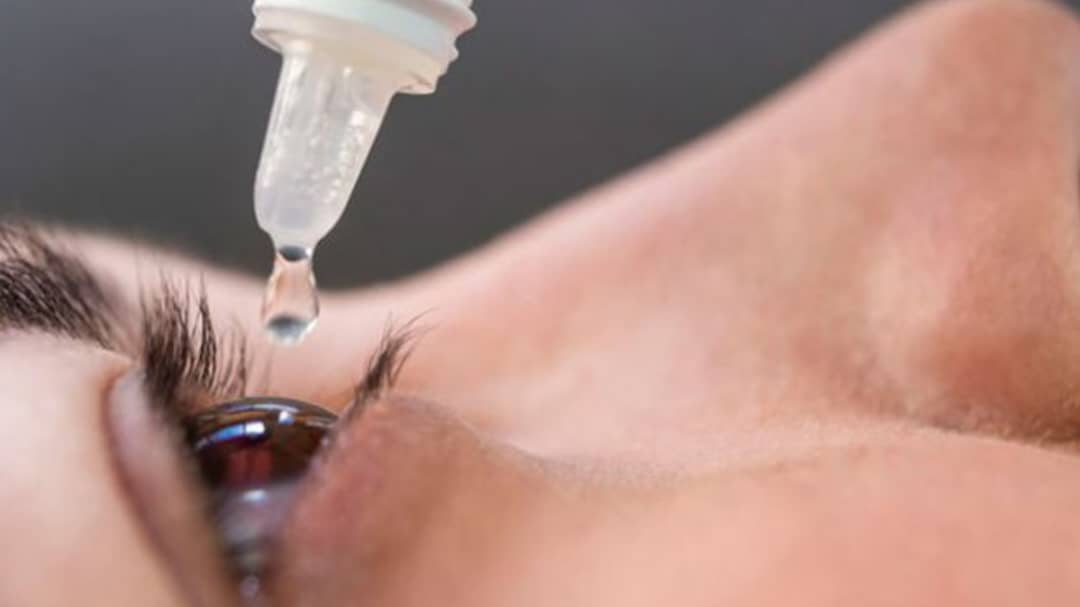
Most people don’t lose their vision because they ignored doctors. They lose it because they believed the wrong things.
The kind of beliefs that sound harmless. Like thinking your eyes are fine because they don’t hurt, or assuming blindness announces itself loudly before it arrives.
While you’re reading, driving, watching football, and scrolling without stress, glaucoma can already be at work, shaving off your vision in places you don’t notice yet. By the time many people realise something is wrong, the damage is permanent.
That’s why it remains one of the leading causes of irreversible blindness worldwide, according to the World Health Organization.
According to the Eyesperse, a digital publication and platform for optometry students and eye health enthusiasts, here are 6 Glaucoma myths that you probably still believe.
Myth 1: “If I were going blind, I’d definitely know”
This is the most dangerous belief of all.
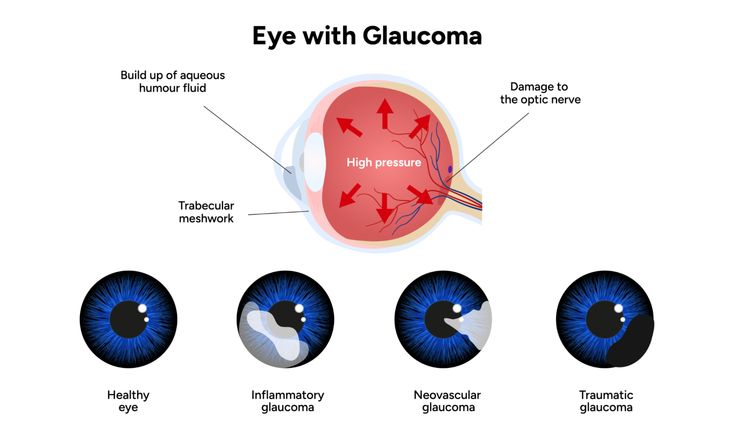
Glaucoma usually starts by attacking your side vision, not the part you rely on most. Your central vision stays sharp, so everything feels normal. Your brain quietly fills in the missing pieces using your stronger eye.
You don’t “notice” glaucoma early. You discover it late.
That’s why people are often shocked by a diagnosis. Nothing felt wrong, yet a significant amount of vision is already gone.
Myth 2: “My eyes don’t hurt, so nothing serious is happening”
Pain is not a warning sign here.
Most common types of glaucoma are completely painless, especially in the early and middle stages. No redness. No discomfort. No headache. Just slow, silent damage to the optic nerve.
If pain were required for glaucoma to be serious, far fewer people would lose their sight to it.
Myth 3: “Glaucoma is for old people, I’m too young”
Age increases risk, yes. But glaucoma does not ask for your birth certificate.
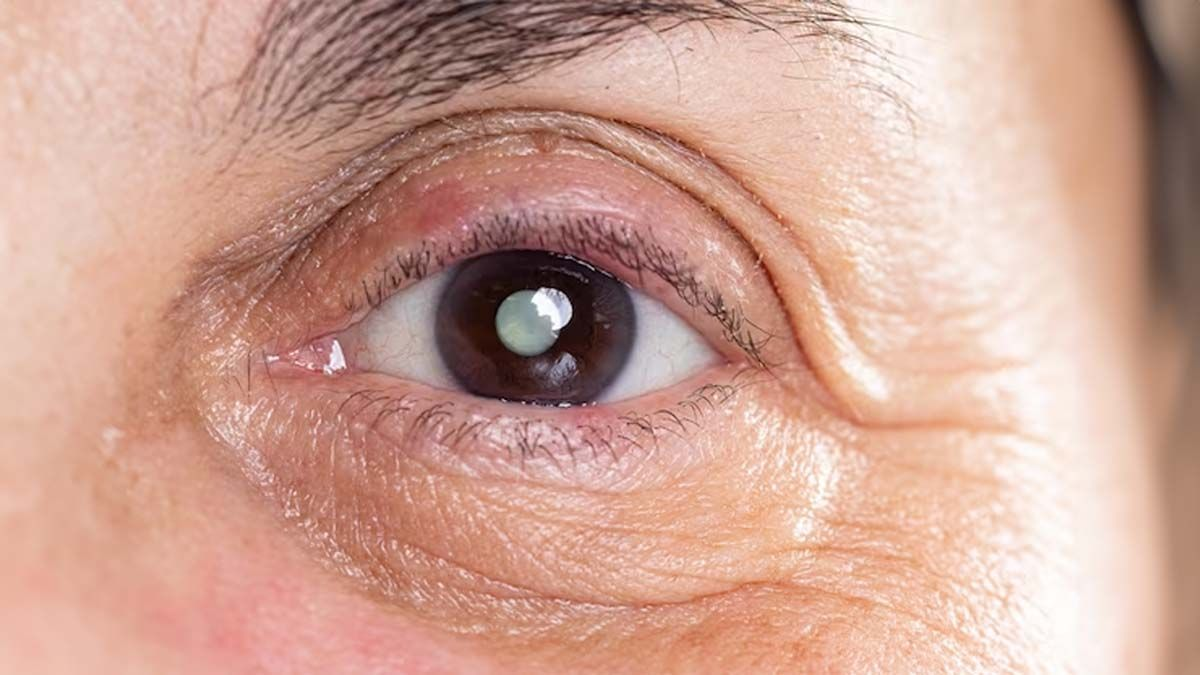
Younger people can develop it, especially if they have a family history, previous eye injuries, prolonged steroid use, or very high eye pressure. People of African descent are also at higher risk and often develop glaucoma earlier than others.
Waiting until you feel “old enough” is how preventable blindness happens.
Myth 4: “No one in my family has glaucoma, so I’m safe”

In many families, nobody has ever been properly checked.
Vision loss in older relatives is often blamed on age, spiritual causes, or “weak eyes.” Glaucoma runs in families, but it also hides in them because earlier generations were rarely diagnosed.
Saying “we don’t know” is more honest than saying “we’re safe.”
Myth 5: “I’ll just use one eye drop and it’ll clear”
This belief has destroyed more optic nerves than people realise.
Random eye drops, especially those containing steroids, can raise eye pressure and quietly worsen glaucoma when used without supervision. That familiar bottle at home is not treatment.
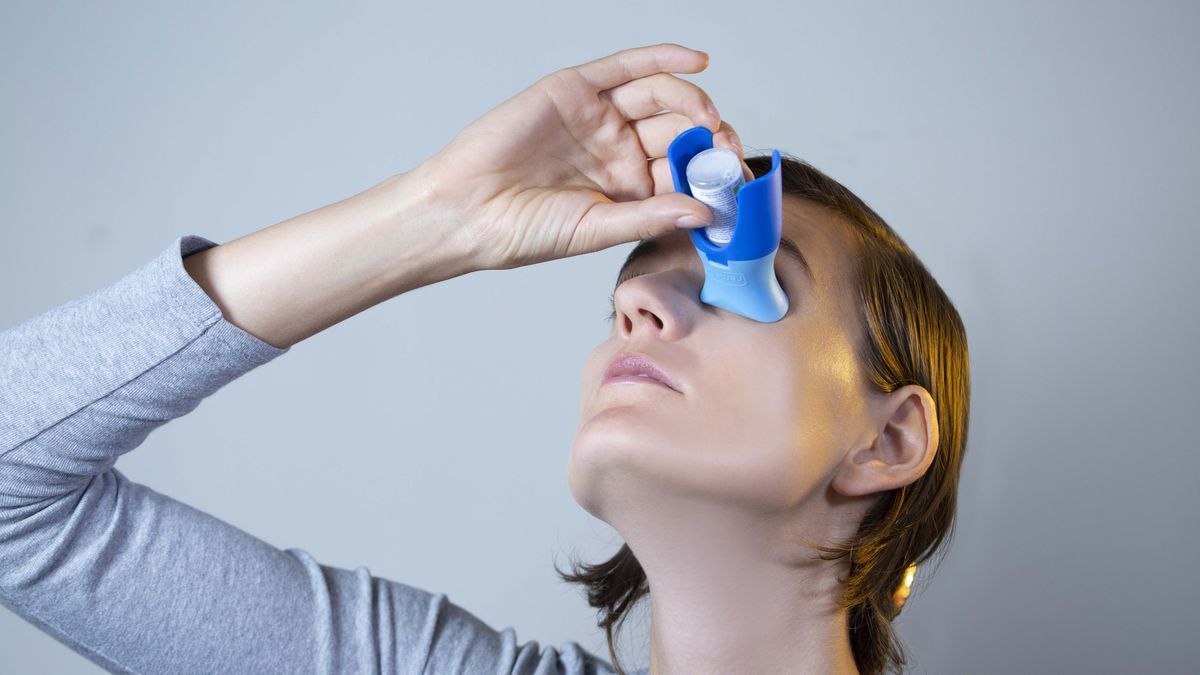
Glaucoma management is deliberate and long-term. It involves specific prescription drops, regular monitoring, and sometimes laser treatment or surgery. There is no shortcut.
Myth 6: “Once it’s treated, it goes away”
Glaucoma doesn’t work like an infection.
There is no cure. Treatment exists to slow or stop further damage, not reverse what’s already lost. Skipping medication or follow-up appointments because you’re “seeing well again” is how glaucoma quietly catches up.
Control is lifelong. Neglect is expensive.
The Reality Most People Don’t Like Hearing
Glaucoma myths are comforting, but comfort is not protection.
People lose vision every year not because treatment failed, but because detection came too late. The most powerful defence remains simple and unglamorous: routine comprehensive eye examinations, even when your eyes feel fine.
With glaucoma, silence is not reassurance. It’s the warning.