Ghana's Land Ministry Seals Controversial Lithium Deal with Local Chiefs, Defying Resignation Demands
Ghana's Ministry of Lands and Natural Resources is actively engaging chiefs, residents, and civil society to refine the lithium agreement, addressing community concerns about ratification delays. Amidst political controversy, Minister Emmanuel Armah-Kofi Buah's efforts are commended by civil society for fostering dialogue and strengthening the deal, aiming for a progressive outcome for the nation.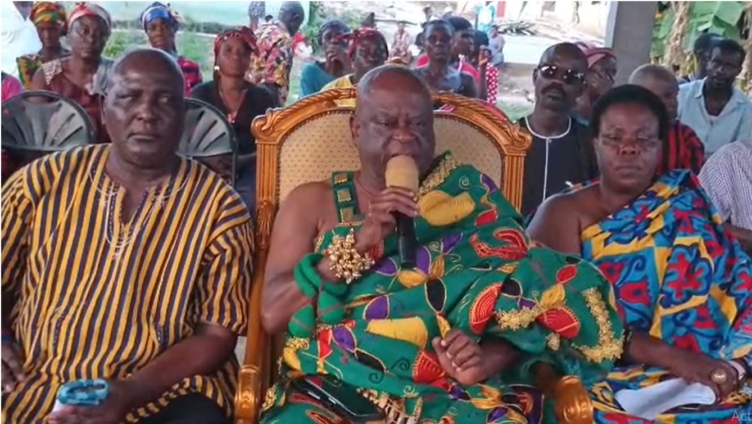
The Ministry of Lands and Natural Resources in Ghana has intensified its efforts to finalize a comprehensive and mutually beneficial lithium agreement, engaging a wide array of stakeholders amidst ongoing public and political scrutiny. This push for broad consultations follows the temporary withdrawal of an initial agreement, a decision aimed at fostering greater transparency and incorporating diverse perspectives before resubmission to Parliament.
A key aspect of these engagements involved direct consultations with chiefs and residents from Ewoyaa and neighboring communities, including Krampah. During a meeting on Tuesday, December 16, Mahmoud Kabore, leading the ministry's delegation on behalf of Lands Minister Emmanuel Armah-Kofi Buah, offered an apology for the earlier withdrawal of the agreement. He clarified that this action was taken to facilitate broader discussions and assured the communities of the government's unwavering commitment to securing a deal that would bring significant benefits to both Ewoyaa and the nation at large. The commitment to achieving a mutually beneficial outcome was underscored by Mr. Kabore, a sentiment echoed by Ahmed Salim, General Manager of Atlantic Lithium, and Eric Stanley Acquah, Municipal Chief Executive for Mfantsiman, who both pledged that outstanding issues would be resolved promptly.
While the community leaders and residents welcomed the dialogue, they voiced concerns regarding potential delays in parliamentary ratification, noting that such setbacks were adversely affecting local livelihoods and advocating for a swifter approval process. In response, Mr. Kabore reaffirmed the government's promise to uphold its commitments and assured them that the agreement would be presented to Parliament in due course.
Parallel to these community engagements, the Ministry also held an earlier meeting on Monday, December 15, with civil society organizations (CSOs) to refine the agreement. This proactive approach has drawn commendation from figures such as Samuel Bekoe, Executive Director of the Centre for Extractives and Development Africa (CEDA). Speaking on Wednesday, December 17, Mr. Bekoe lauded Minister Armah-Kofi Buah's openness to dialogue, particularly in light of calls from the Minority in Parliament for the Minister's dismissal over the controversial Barari DV lithium agreement.
Mr. Bekoe, a participant in the civil society consultations, highlighted the long-standing call from CSOs for a clear national policy on transition minerals like lithium, emphasizing that such resources should not be managed in the same manner as traditional minerals like gold. He clarified that while civil society advocates against defining Ghana’s policy direction through individual agreements, the concerns raised should not unfairly target the current Minister. Addressing allegations that the Minister misled Parliament by presenting a revised version of the agreement, Mr. Bekoe robustly rejected these claims, asserting that a comparison between the old and new agreements clearly demonstrates that the Minister strengthened the deal rather than weakening it.
The ongoing political controversy surrounding the Barari DV lithium agreement, with the Minority accusing the Lands Minister of mismanagement and misleading Parliament, underscores the contentious nature of such high-stakes resource deals. However, civil society groups continue to argue that these stakeholder engagements offer a crucial opportunity to not only refine the current agreement but also to develop a comprehensive policy framework. The ultimate goal remains to safeguard Ghana’s long-term interests in the sustainable management of its transition minerals, with the Ministry promising further consultations to effectively balance strategic mineral development with local and national interests.