Fuel Scandal Rocks Kenya: Top Energy Bosses Resign Amid Arrests and Plea Deals
Kenya's energy sector is embroiled in a major scandal following the resignations and arrests of top officials, including the EPRA DG, KPC MD, and Energy PS, over alleged substandard fuel importation. Investigations are underway into claims of manipulated fuel stock data and irregular procurement breaching the government-to-government framework. The DCI has confirmed that resignations do not exempt individuals from criminal liability.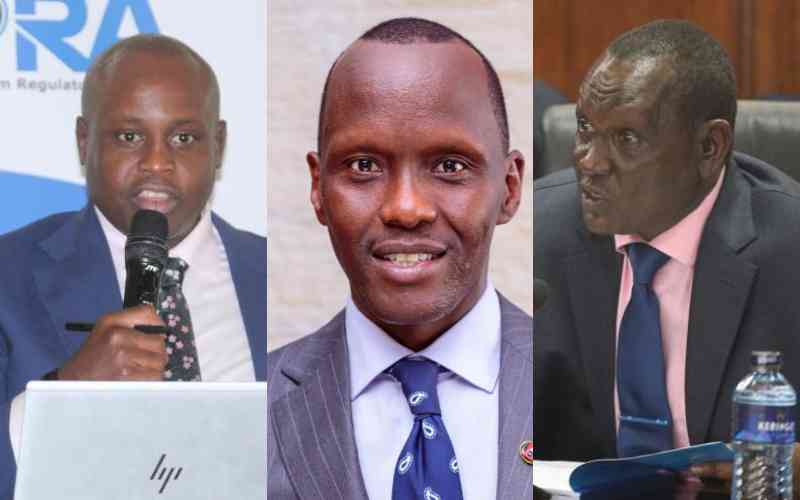
Top energy sector officials in Kenya have tendered their resignations and faced arrests in connection with an alleged substandard fuel importation scandal. The implicated individuals include Daniel Kiptoo, the outgoing Director General of the Energy and Petroleum Regulatory Authority (EPRA); Joe Sang, the outgoing Managing Director of Kenya Pipeline Company (KPC); and Mohamed Liban, the outgoing Principal Secretary in the Energy Ministry’s State Department of Petroleum. Their resignations were confirmed by Chief of Staff and Head of Public Service Felix Koskei, who stated that President William Ruto had accepted Liban's resignation, and the KPC and EPRA boards had accepted those of Sang and Kiptoo, respectively. The resignations are part of an unfolding probe into a scheme that has exposed Kenyans to potential losses from illegally acquired and highly priced petroleum products, with suggestions that the resignations may have been part of a plea bargain.
The scandal centers on allegations that primary duty bearers manipulated data on in-country fuel stocks. This manipulation reportedly aimed to exploit rising global prices and public anxiety, thereby creating a false impression of an impending supply shortfall. According to Koskei, this misrepresentation subsequently led to the irregular procurement of an emergency fuel cargo by the Energy ministry, involving Mohamed, Kiptoo, and Sang. The shipment in question was procured in blatant breach of the Government-to-Government (G2G) framework, at a price significantly above contracted rates, in complete disregard of established emergency procurement procedures, and was ultimately of substandard quality.
Beyond the top three, two other suspects also resigned from their posts: Joseph Wafula, the Deputy Director of Petroleum in the ministry, and Joel Mburu, a supply and logistics manager at KPC. The five men were arrested on Thursday night, April 2, 2026, and held at Gigiri, Capitol Hill, and Lang’ata police stations by DCI officers. Detectives reportedly seized hundreds of millions of shillings during the arrests. While Mohamed was the only one freed after he fell ill in custody, the others spent the night detained and were questioned on Friday and Saturday.
The Directorate of Criminal Investigations (DCI) has clarified that the resignations of Mohamed Liban, Joe Sang, and Daniel Kiptoo do not absolve them from criminal liability. In a statement issued on Saturday, April 4, the DCI asserted that those found culpable in the ongoing investigation into the irregular procurement of emergency fuel will face legal action. “Resignation from office does not in any way exonerate or absolve the suspects and persons of interest from criminal culpability,” the agency stated.
Felix Koskei underscored the government's commitment to safeguarding public good and protecting national interests. He stated that any act of economic sabotage would be fully investigated and met with firm and decisive action against any individual or entity found culpable. He also called on all relevant actors within the energy sector to collaborate with the DCI and other investigative agencies, providing full access to information to facilitate these investigations.
The G2G supply arrangement, signed in 2023 between Kenya and major international oil companies such as Aramco Trading Fajuriah, ADNOC Global Trading Limited, and Emirates National Oil Company Singapore Pte Limited, was intended to stabilize fuel supply, cushion the market against global volatility, and mitigate foreign exchange constraints experienced in 2022 and 2023. The alleged breach of this framework highlights serious concerns regarding transparency and adherence to established protocols in vital national procurement processes.