From Tight to Baggy Clothing, Who Really Decides What We Wear?
From fitted outfits to baggy clothes, fashion trends keep shifting. This piece talks about how public perception, institutions, and social influence shape what we wear and who really controls the narrative.
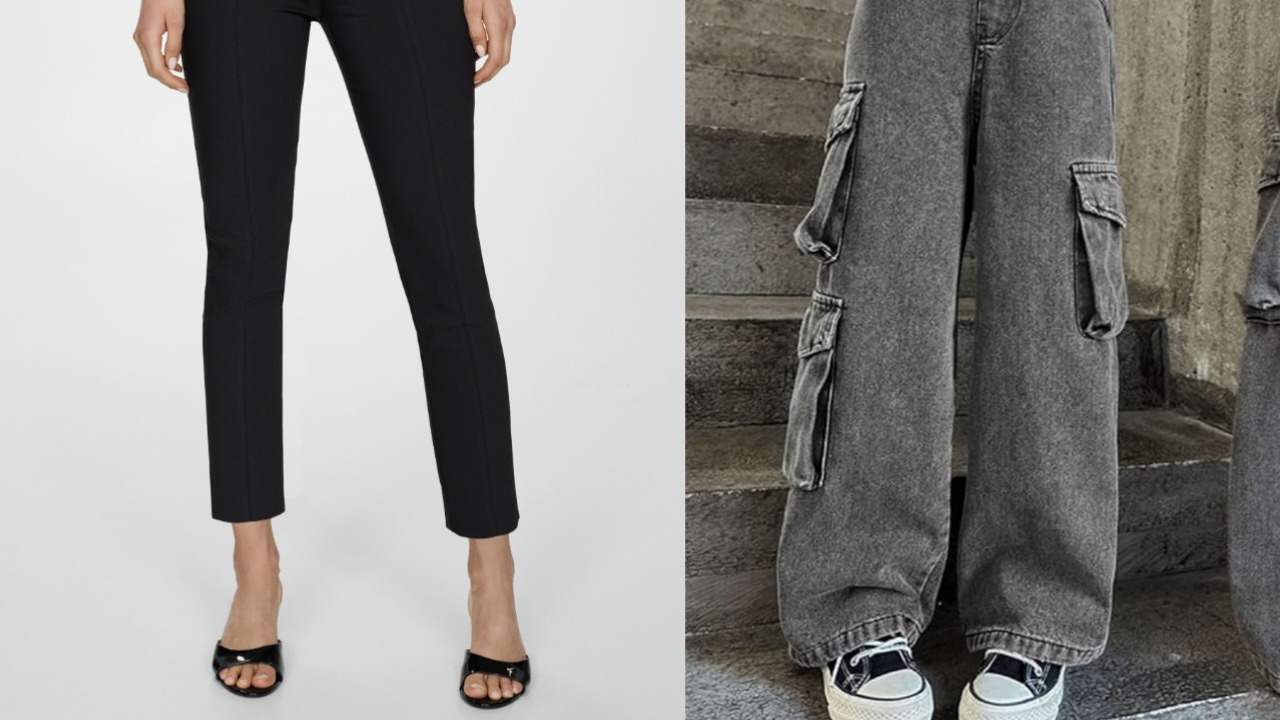
Fashion has always been described as an art of self-expression, but if we are being honest, it often feels like a moving target, one controlled by forces far bigger than individual taste.
What was once “too much” can suddenly become “the standard,” and what was once celebrated becomes suspicious and would fall under the heavy eye of scrutiny.
And somewhere, just somewhere along the line, I don't know where exactly, between trends, institutions, and public opinion, fashion keeps evolving, leaving wearers constantly adjusting.
When Your Mother Changes Her Mind, You Know Fashion Has Shifted
There was a time not so long ago, still fresh in Emeka's memory.
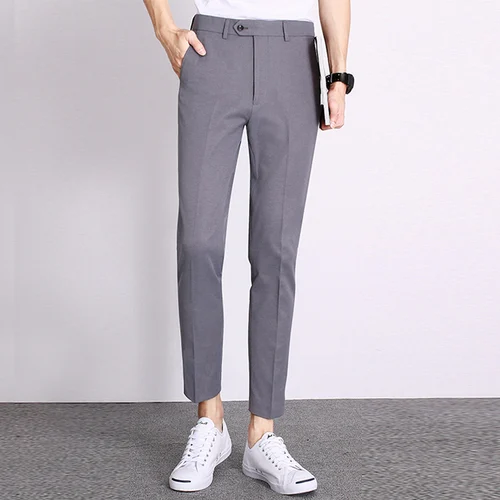
As a young boy, he would always stand in front of a mirror wearing fitted trousers and a neatly tailored shirt, feeling sharp and confident.
His mother, like many Nigerian mothers, would always squint her eyes and deliver her usual verdict: these clothes are too tight and definitely not breathable.
“You want to suffocate yourself?” she would ask, already suggesting looser trousers that allowed air to circulate and morals to stay intact.
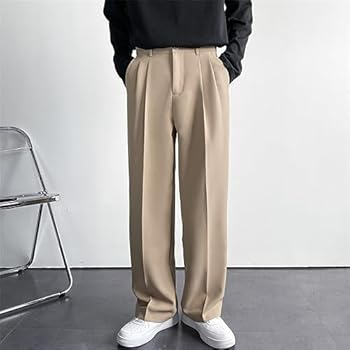
Fast forward several years later, Emeka would walk into the house wearing oversized trousers and shirt that are referred to as baggy clothing, fully aligned with what the world now calls “trendy fashion.”
His same mother now looks him up and down and asks him, “Are these clothes not too big? Why don’t you fit them small?”
In moments and scenarios such as this, something is clear. Fashion did not just change and evolve over time; perception did as well. What was once discouraged is now encouraged, and what was once approved now needs adjustment. The irony is loud, and the confusion is understandable.
Fashion, it seems, does not only evolve in fabrics and silhouettes, it evolves in approval and public acceptance plays referee with no room for fair hearing.
How Trends Shift and Perception Follows
Once upon a time, fitted clothing was the goal. Tailored trousers, slim-cut shirts, and body-hugging outfits represented being aware, classy, and trendy. Oversized clothing was dismissed as old fashion or even that it was a sign of lack of style. Then the tide turned and it turned so quickly before we could barely comprehend it all.

Today, what we once called “oversized” has been rebranded as “baggy.” The name change alone tells a story of how fast fashion is evolving and how it has been branded. Baggy clothes are now stylish, expressive, and associated with confidence, creativity, and even rebellion to the regular style of clothing.
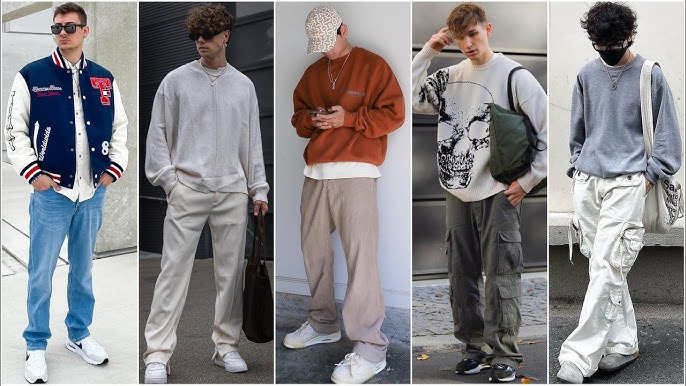
What changed? It was definitely not the fabric, it was perception that changed.
Fashion trends rarely move in isolation. They are influenced by pop culture, music, celebrities, designers, and social media. When influential figures adopt a look, it slowly migrates from “odd” to “acceptable,” and eventually to “mainstream.”
Public perception is a powerful force, when enough people deem it fit to accept a style, resistance weakens and the crowd just goes with the flow. Even critics quietly adjust their language. Fashion becomes less about individual choice and more about collective agreement without a parliament.
Institutions, Control, and the Question of Freewill
This is where the conversation becomes more uncomfortable. A school like Babcock University recently banned baggy clothing, sparking debate.
Why now? Especially when there was a time when over-fitted clothing was the enemy and loose clothing was encouraged.
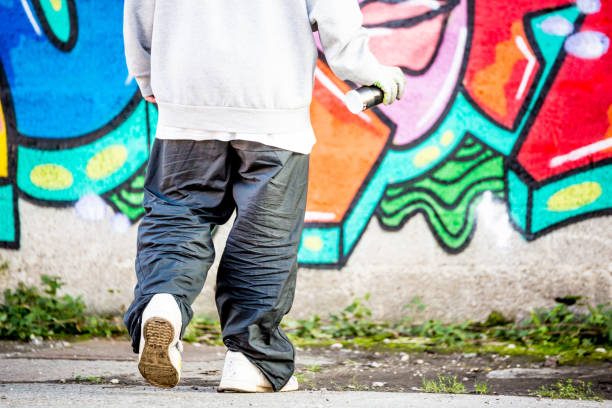
Growing up, many schools banned tight trousers and fitted outfits in the name of decency and discipline. Today, the reverse is happening. Baggy clothes are being restricted, while fitted clothing is acceptable again.
The rules changed, but the patterns still remain the same: institutions deciding what is appropriate.
This raises a critical question: does society truly allow freewill in fashion, or is it always pushing against individual choice?
When people choose fitted clothes, they are told it is wrong. When they choose baggy clothes, they are told the same thing. It begins to feel less like guidance and more like control.
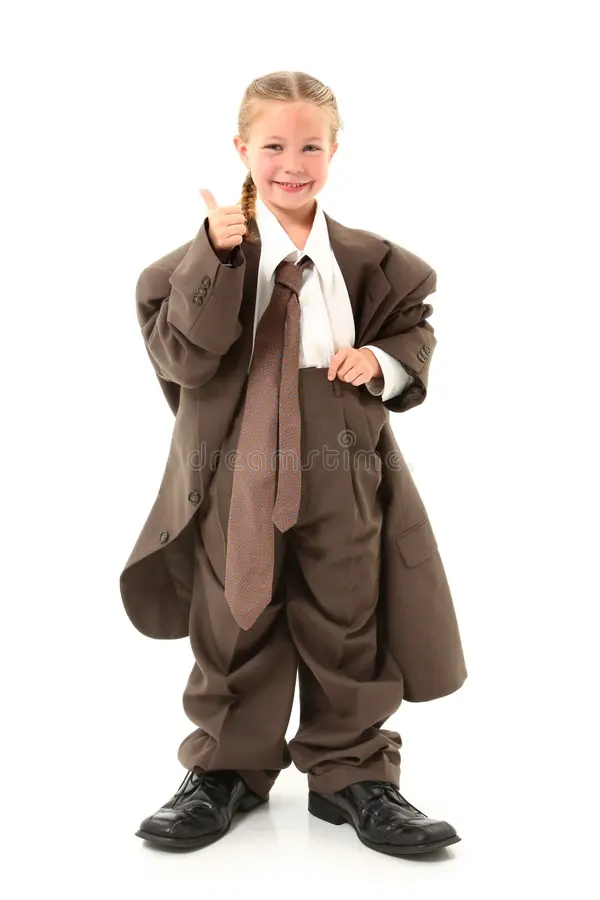
Institutions often justify dress codes with arguments about morality, identity, discipline, or image. While some structure is necessary, it is hard to ignore how these rules often trail trends rather than lead values. Once a style becomes widespread enough, it is either absorbed into the norm or restricted to maintain control.
Fashion choices, in this sense, become a battleground between expression and regulation. The question is no longer just what people wear, but who gets to decide when a trend has gone “too far.”
So, Who Really Controls Fashion?
Fashion is shaped by a mix of forces: designers introduce ideas, celebrities amplify them, social media spreads them, and the public validates them. Institutions then respond, sometimes by endorsing, other times by restricting or rejecting outrightly.
Parents, too, adjust their opinions, often unconsciously, as societal norms shift.
Is this social engineering? Not in a conspiracy sense, but in a gradual, cultural one. Interests change, exposure increases, and repeated imagery normalizes what was once foreign. Over time, resistance fades, and acceptance becomes automatic.
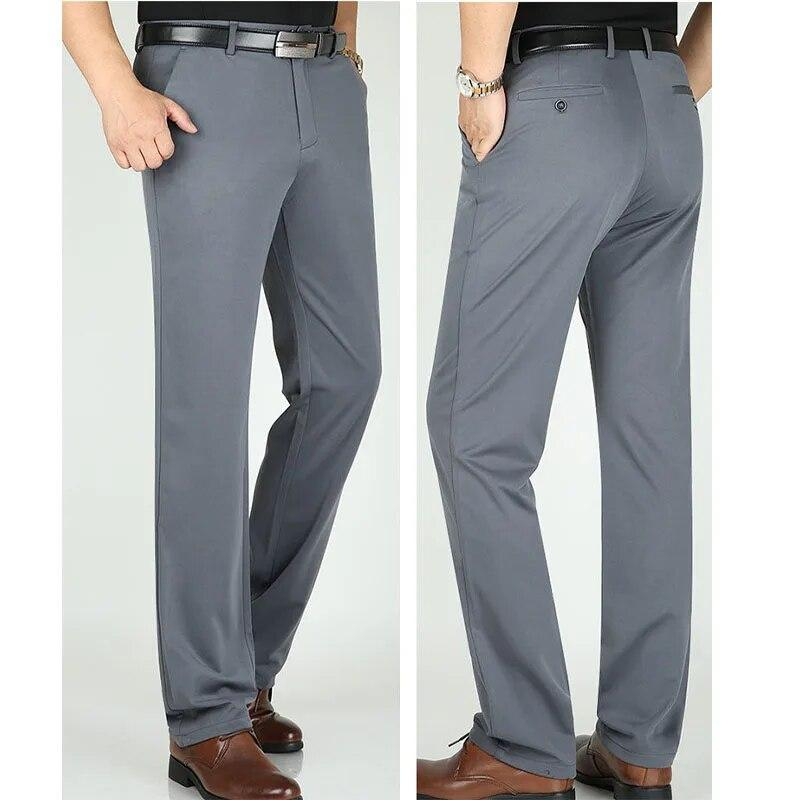
Fashion is not static because society is not static. What it says about us is simple but profound: we are influenced more than we like to admit. Our tastes feel personal, yet they are often shaped by what we see repeatedly approved, worn, and celebrated.
And maybe that is not entirely a bad thing, evolution is natural. What matters is awareness, understanding that trends will continue to change, and what is “inappropriate” today might be “classic” tomorrow.
Conclusion: Fashion Will Change Again
Fashion is a mirror of society’s shifting values, interests, and power dynamics. From fitted to baggy and possibly back again, trends will continue to rotate.
Parents will definitely change their minds, schools will constantly have to update their rules and designers will always reinvent old ideas and sell them as though they are new.
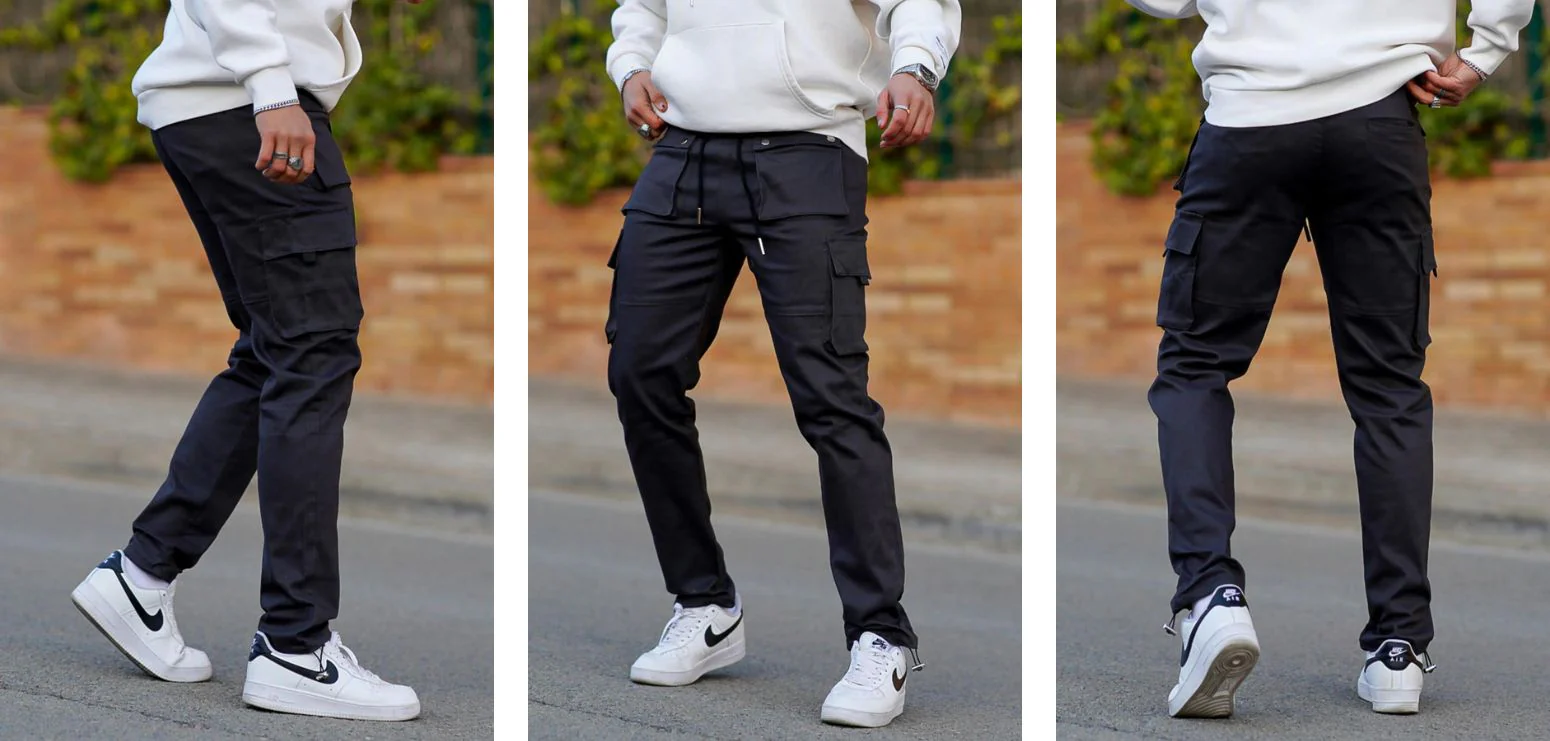
The real lesson here is not about clothes; it is about perception. Fashion teaches us how quickly opinions change and how easily acceptance follows repetition. It reminds us that trends are temporary, but expression is constant.
Today’s baggy might be tomorrow’s outdated. Tomorrow’s fitted clothing might return as another well branded name, we don't know for sure and somewhere in between, someone’s mother will still ask them to adjust their clothes, just in the opposite direction.
Fashion will always evolve and we are also evolving, whether we are aware of it or not or we even choose to admit. The key is knowing when you are choosing a style and when the style is choosing you.