Fashionlore: The Unwritten Rules of Wearing Fila
The Yoruba fila is more than a cap. Its tilt, direction, and style can signal marriage, status, courtship, age, and social hierarchy.
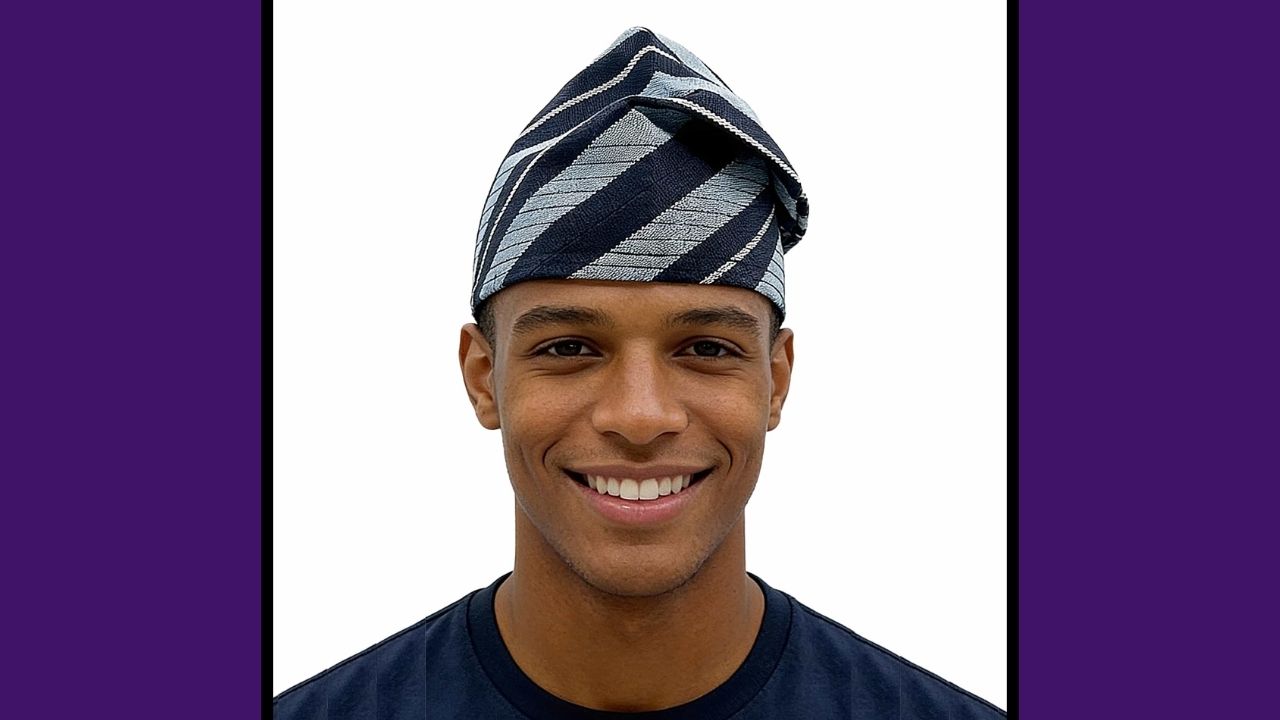
A Yoruba man does not just put on his fila. He tilts it, angles it, sometimes stands it upright, and every choice he makes with that cap is a message passed to everyone watching.
The fila has been doing the work of self-expression. It told the room who was married, who was still searching, who was young, who was old, and who was not to be crossed. This is the lore of the fila, and it goes far deeper than most people who wear it today realize.
What the Fila Really Is
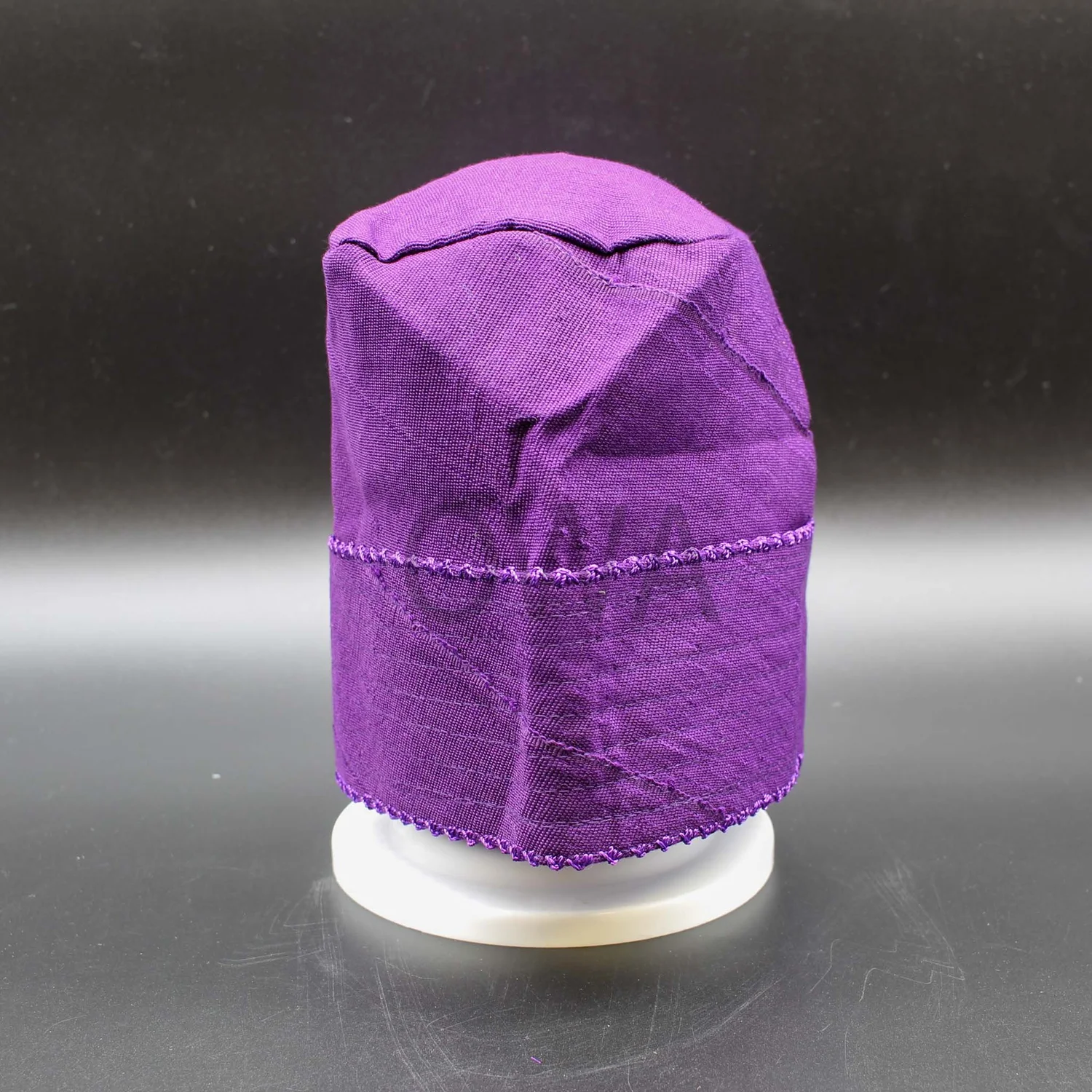
The fila is the traditional cap worn by Yoruba men across southwestern Nigeria, usually made from aso oke, damask, velvet, or cotton, and shaped into styles like the gobi, the abeti aja, the etu, or the kufi.
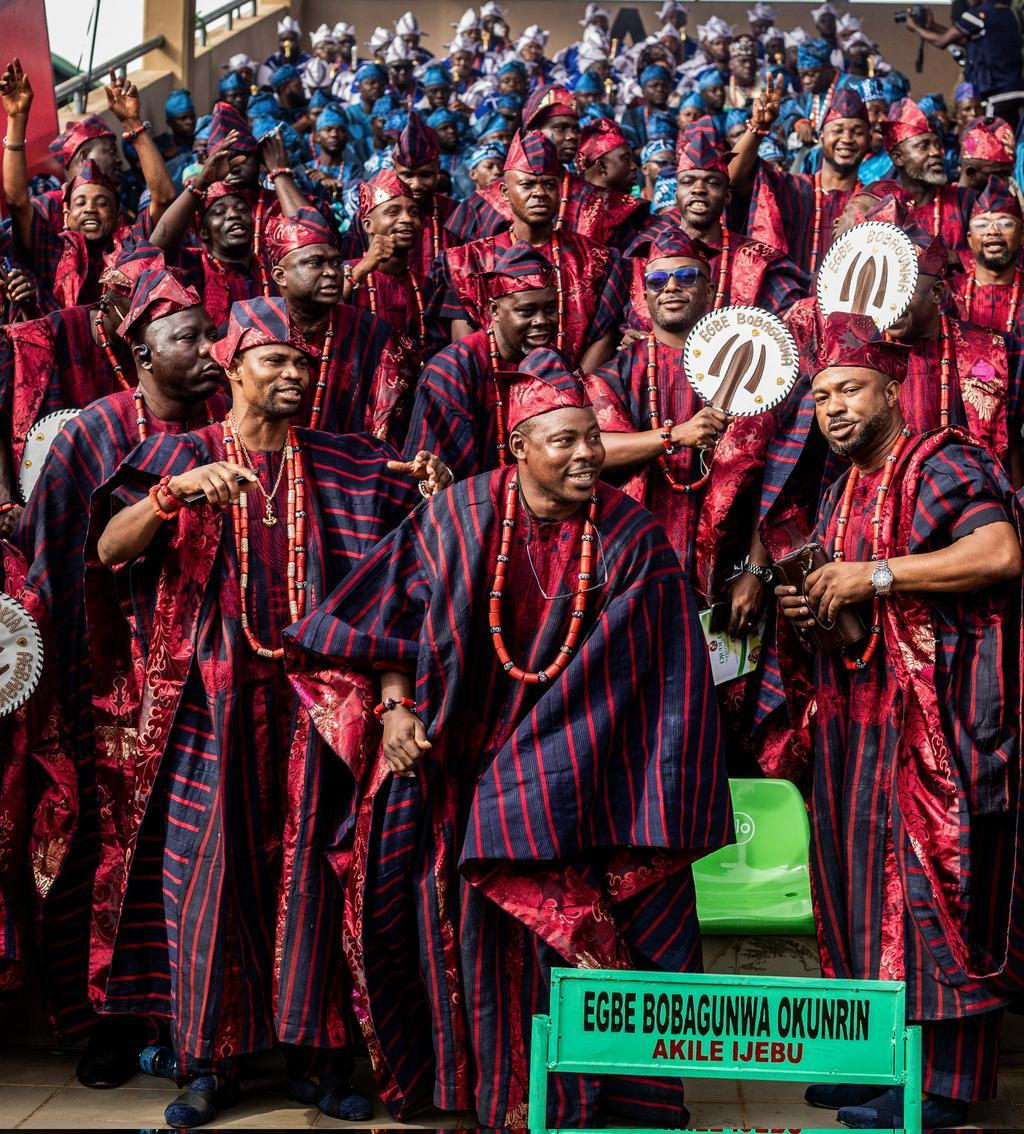
It is never treated as just another clothing. In Yoruba culture, the head is sacred. It is said to carry a person's ori, their spiritual essence and destiny, so whatever sits on the head automatically carries weight.
A man does not attend a wedding, a naming ceremony, a chieftaincy event, or a family meeting without one. The outfit is considered incomplete without it, no matter how expensive the agbada underneath happens to be.
The Circle of Life Written Into a Cap
The tilting tradition is often explained through what some Yoruba scholars call the circle of life. A man's head, in this reading, is a map of the stages he passes through, starting on the right, moving to the front, then the left, then the back.
When a baby boy is dressed for a ceremony, his cap is tilted to the right by his mother, marking the beginning of a journey that has not yet unfolded. As he grows into a young man in his prime, the cap moves toward the front. This is a season associated with marriage, building wealth, and providing for a family.
Later in life, the tilt shifts to the left, symbolizing a man easing into retirement and enjoying the fruit of decades of labour.
The back tilt, rarely seen today, belonged to elders who had, as the culture puts it, already had their time.
Left or Right: Married or Single
This is the part that sparks the most debate. The most widely repeated version says a fila tilted to the left signals a married man, settled and no longer on the market, while a tilt to the right belongs to the apon, the bachelor who is still available.
Other communities swear the opposite is true, that right means married and left means single.
Both versions exist side by side across different towns and even different families, and the disagreement is part of the folklore itself.
What almost everyone agrees on is that the direction of the tilt was never random. It was a quiet, wearable status update in a culture that valued subtlety over direct announcement.
The Aro: Standing Tall and Meaning Nothing
Not every fila is tilted. Some men wear the cap standing straight up, a style called aro. Traditionally, this was not considered a serious or dignified way to wear the cap.
It had no fixed social message and was associated with people who were carefree or lower in social standing, though Sango worshippers wear their gobi caps folded inward as part of their spiritual identity, which is a different tradition entirely from the aro.

Royalty Changes the Rules
Hierarchy bends the tilting code too. When a king, a prince, or anyone of higher social rank wears his fila tilted in a particular direction during a public encounter, tradition holds that his followers or subjects present must tilt theirs the opposite way.
It is a physical, visible act of deference. Two men wearing their caps the same way in that moment would be read as a challenge to authority, not a coincidence of style.
A Cap That Could Send a Message to a Lover
One of the more romantic layers of fila lore involves courtship. A suitor visiting his fiancée's neighborhood would sometimes tilt his cap in the direction of her house, a silent signal to other interested men that the woman already had someone.
It functioned almost like a claim staked in fabric, understood by anyone paying attention to the unwritten rules.
Why the Meanings Are Fading
Colonization, urban migration, and decades of Western influence have worn down how strictly these meanings are followed.
Many young Yoruba men today tilt their caps purely for style, with no awareness that they might be broadcasting bachelorhood or marriage to older relatives at a party.
Some cultural commentators argue the metaphoric weight of the fila has been drowned out by trend-driven fashion, while others see the caps evolving rather than dying, now worn confidently by women too.
Wearing It With Intention
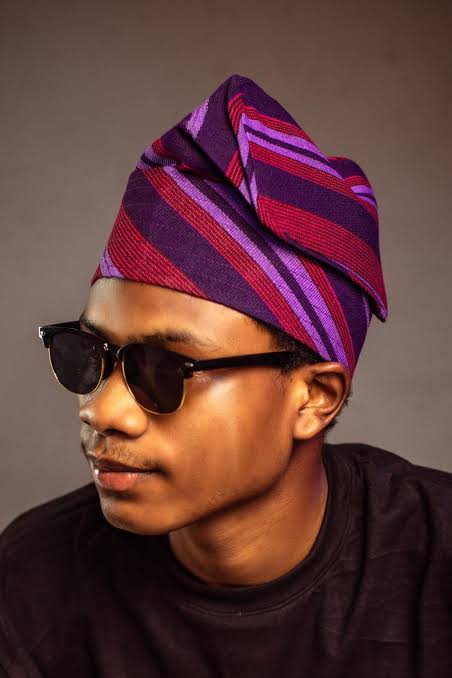
Whether or not every guest at a Yoruba wedding still reads a groomsman's tilt correctly, the fila remains one of the clearest examples of how African fashion has always carried language.
Understanding fila lore is not just about knowing which way to tilt a cap. It is about recognizing that clothing in Yoruba culture was never just clothing. It was, and still is, a quiet form of speech.