The Minimalist's Guide to Building a Modern African Wardrobe That Actually Works
A practical guide to building a modern African wardrobe through minimalist styling—using signature cultural pieces like fila, ankara, and accessories to dress authentically every day without overdoing it.
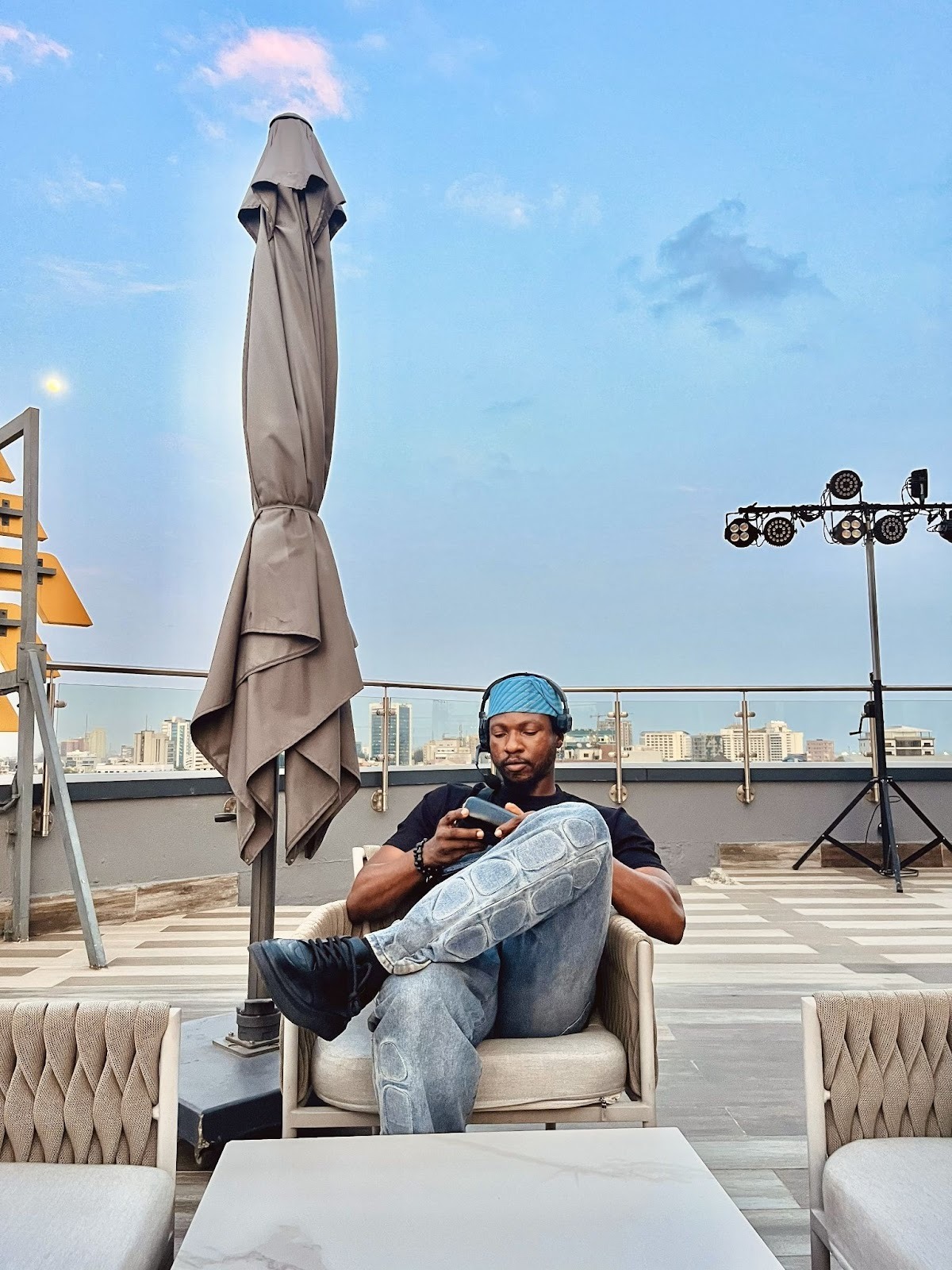
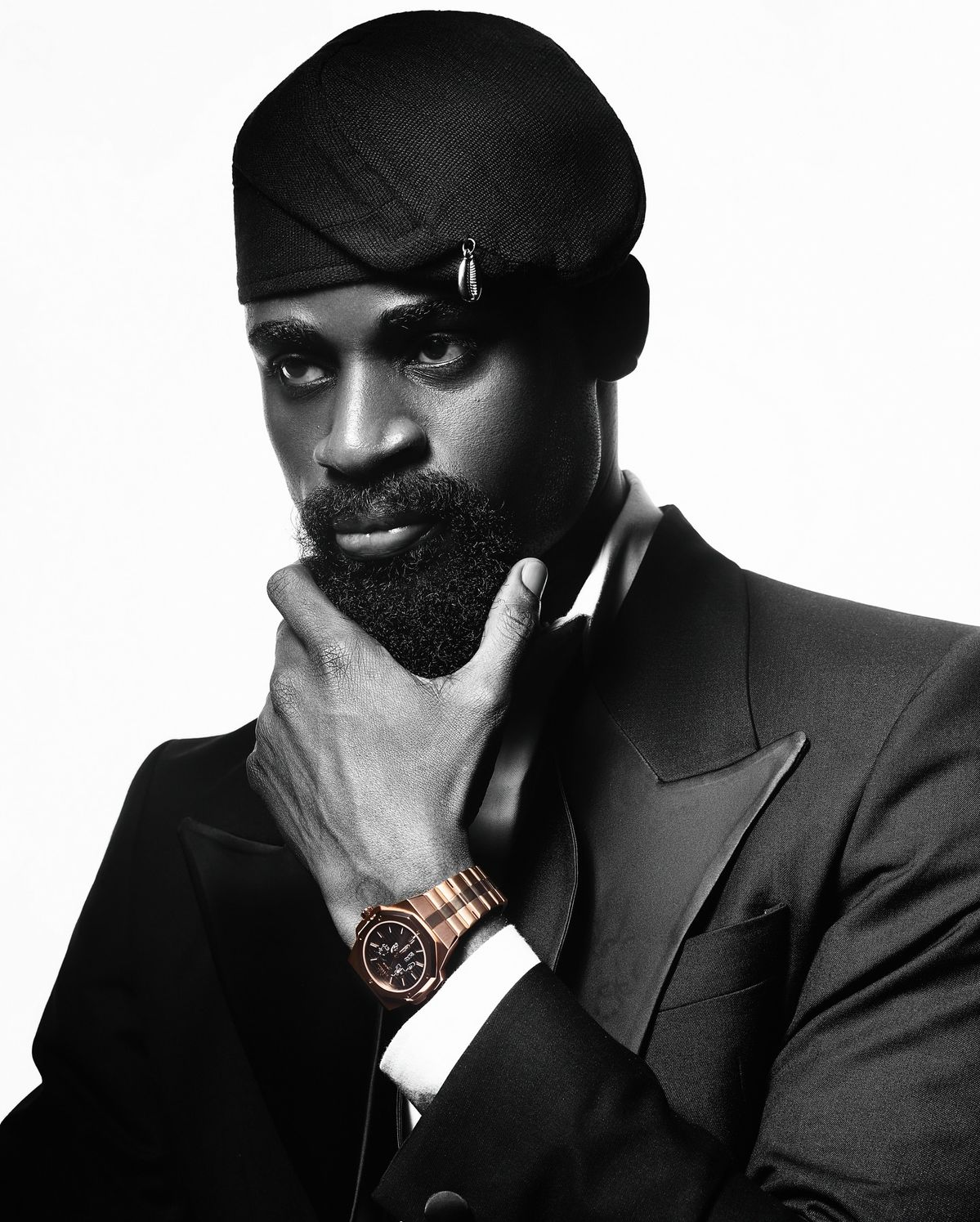
If you come across a man in Lagos in his late twenties, wielding a camera like an extra limb, probably wearing a branded t-shirt or maybe a plain one with the unmistakable fila gobisitting pretty on a full head of hair, there is a 98% chance that it is my brother.
The first time I saw him pair a full casual outfit – jeans, t-shirt, men’s slippers – with that Yoruba fila on his head, I was shocked. The style clash made no sense to me.
But the more I saw it, the more it made sense. My brother really loves his fila. Corporate-casual? There is a fila right there. Casual? You are going to meet a matching one. And soon, if I don’t see a fila on his head, I wonder what is wrong.
And that is when it hit me: my brother had cracked the code to something most of us struggle with — how to wear our culture every single day without looking like we are headed to a wedding or owode.
He wasn’t doing too much. He wasn’t proving anything. He just chose one signature piece and let it do the talking.
In a city where fashion often swings between overstatement and tradition-on-occasion, his approach felt quietly radical.
Why Minimalist African Dressing Actually Works
The thing Westerners and even Africans get wrong about African fashion is that they think it is all or nothing. They think you must either be in full agbada for Sunday service or you are in complete Western wear Monday through Saturday. There is barely any middle ground.
But what if I told you that one well-chosen piece can keep you grounded in your culture every single day? That is what minimalist African dressing is about. It is not filling your wardrobe with twenty different traditional outfits you will wear twice a year, but choosing a few quality pieces that work with everything you already own.
Think about it this way: when you wear the same cultural piece consistently, it stops being a costume and becomes your signature. People start associating it with you. It becomes part of your identity, not something you put on for special occasions.
And the best part is that you don't need much. Five intentional pieces can transform your entire wardrobe and give you that cultural anchor without overwhelming your closet or your budget.
The 5 Essential Pieces You Actually Need

1. The Head Piece
Start here. A fila gobi, kufi or your popular traditional cap is the easiest entry point for men because it transforms everything instantly. My brother proved this.
The same jeans and t-shirt that would blend into any crowd in New York suddenly screams Lagos the moment that fila sits on his head. For women, a print scarf can do the trick.
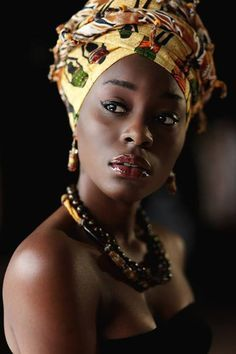
When choosing yours, think about versatility. Neutral colors like black, brown or cream will work with literally everything in your wardrobe. But if you are bolder, go for patterns.
Either way, pick one you are comfortable wearing daily, not something stiff that you will only pull out when you remember.
This is your power move. It works with t-shirts, blazers, casual shirts, even that old Arsenal jersey.
2. The Statement Fabric Piece
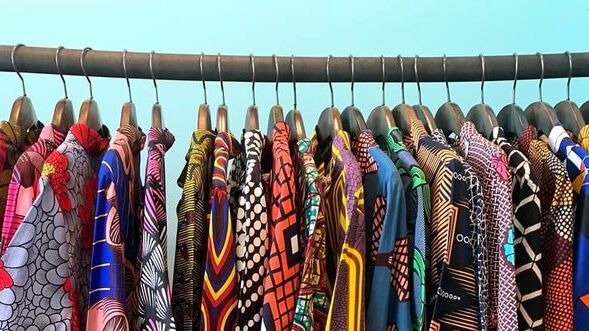
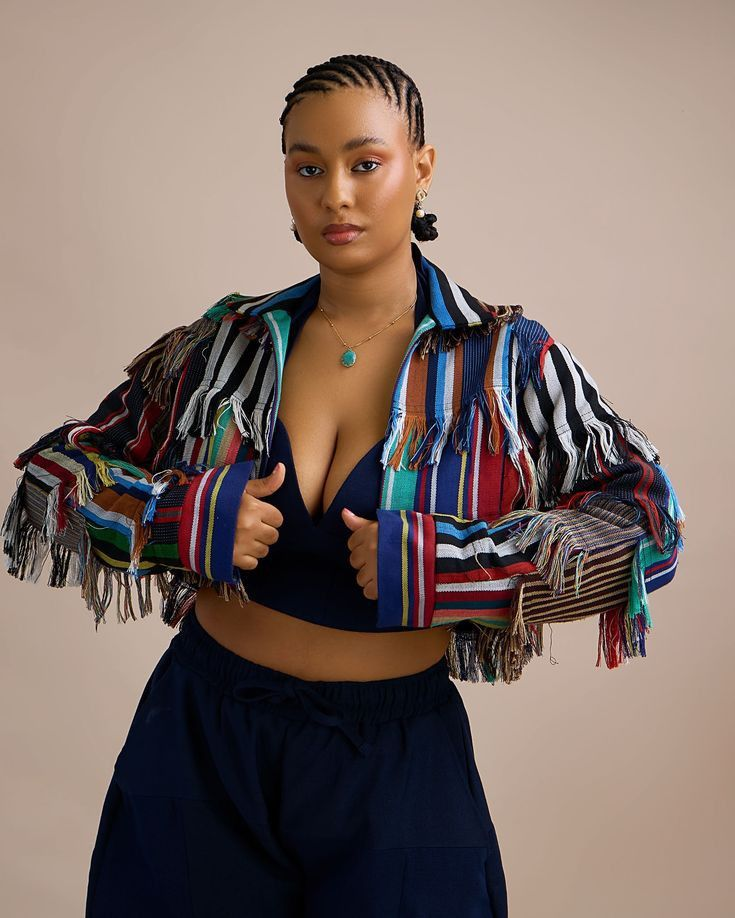
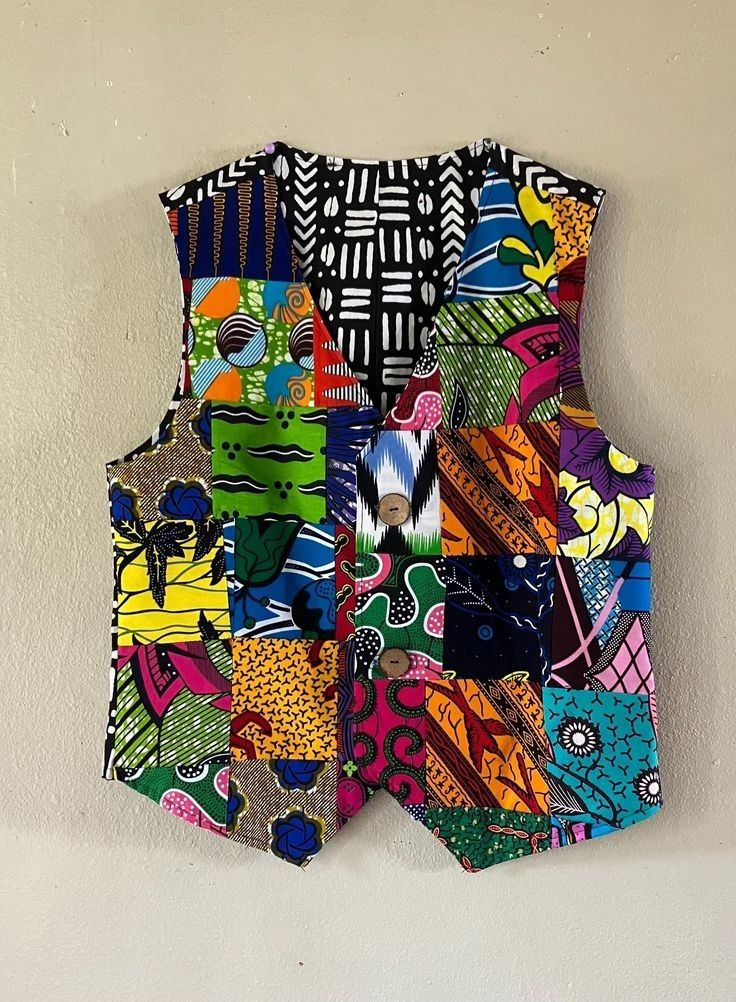
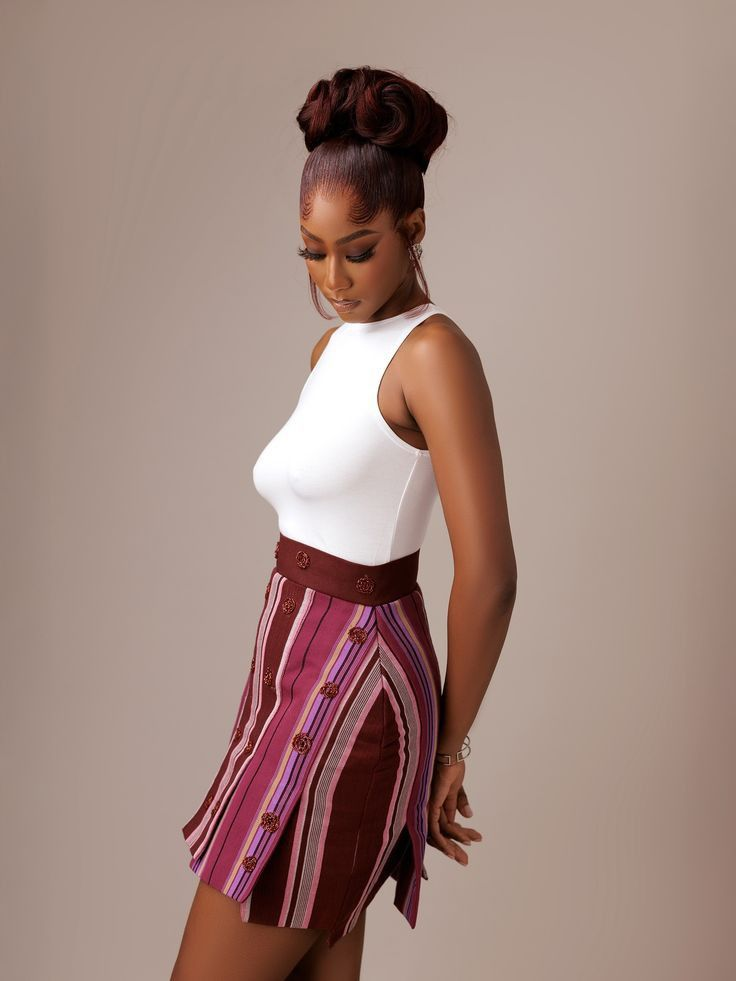
This is where you bring in aso-oke, ankara, or adire but in a modern silhouette. I'm talking about a jacket in ankara. An aso-oke vest you can layer over anything. A shirt with adire as the main fabric but cut like something you'd find at Zara.
The trick here is to let the fabric do the talking while the cut stays contemporary. You want people to do a double-take, not wonder why you are dressed for a traditional wedding on a Tuesday afternoon.

Keep everything else in the outfit simple when you wear this. Black jeans, white sneakers, plain t-shirt underneath. Let this piece be the hero.
3. The Footwear
Shoes ground you, literally. And the right traditional-inspired footwear can tie your whole look together in ways you don’t expect.
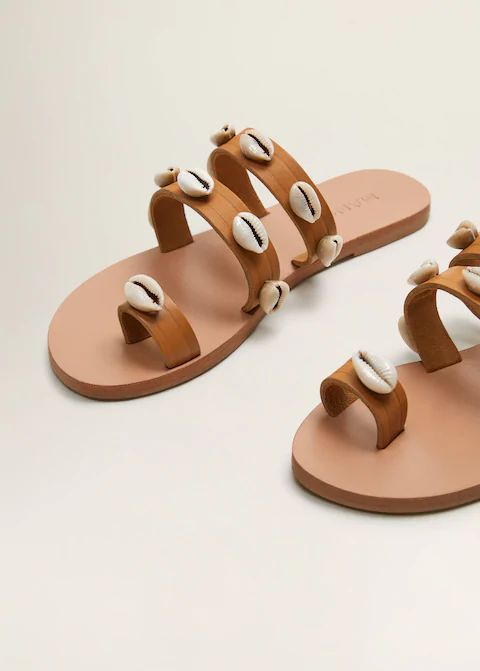

I'm not saying you should wear those hard leather slippers that your uncle rocks to the village every December. I'm talking about modern interpretations; those leather sandals with traditional craftsmanship that feel as comfortable as your favorite slides, or sneakers that incorporate African textiles in their design.
The goal is something you can wear all day without thinking twice. Something that works with jeans, and even tailored trousers if you style it right. When your feet are culturally grounded, the rest of your outfit just makes sense.
4. The Jewelry/Accessory
This is your subtle flex. Beaded bracelets, coral beads if you are feeling traditional, brass cuffs, rings with meaning.
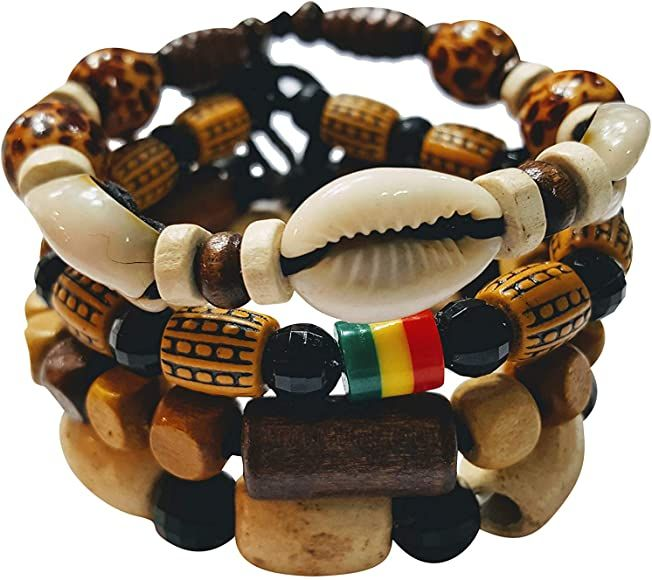
The beauty of jewelry is that it works in corporate settings where a fila might raise eyebrows. You can walk into a client meeting with a full suit and tie, but those beaded bracelets peeking out from your cuff? That is your quiet statement.
Choose something you can wear every single day without thinking about it. Something that stacks well with your watch or works on its own. The key word here is consistency until it becomes part of you.
5. The Layering Piece
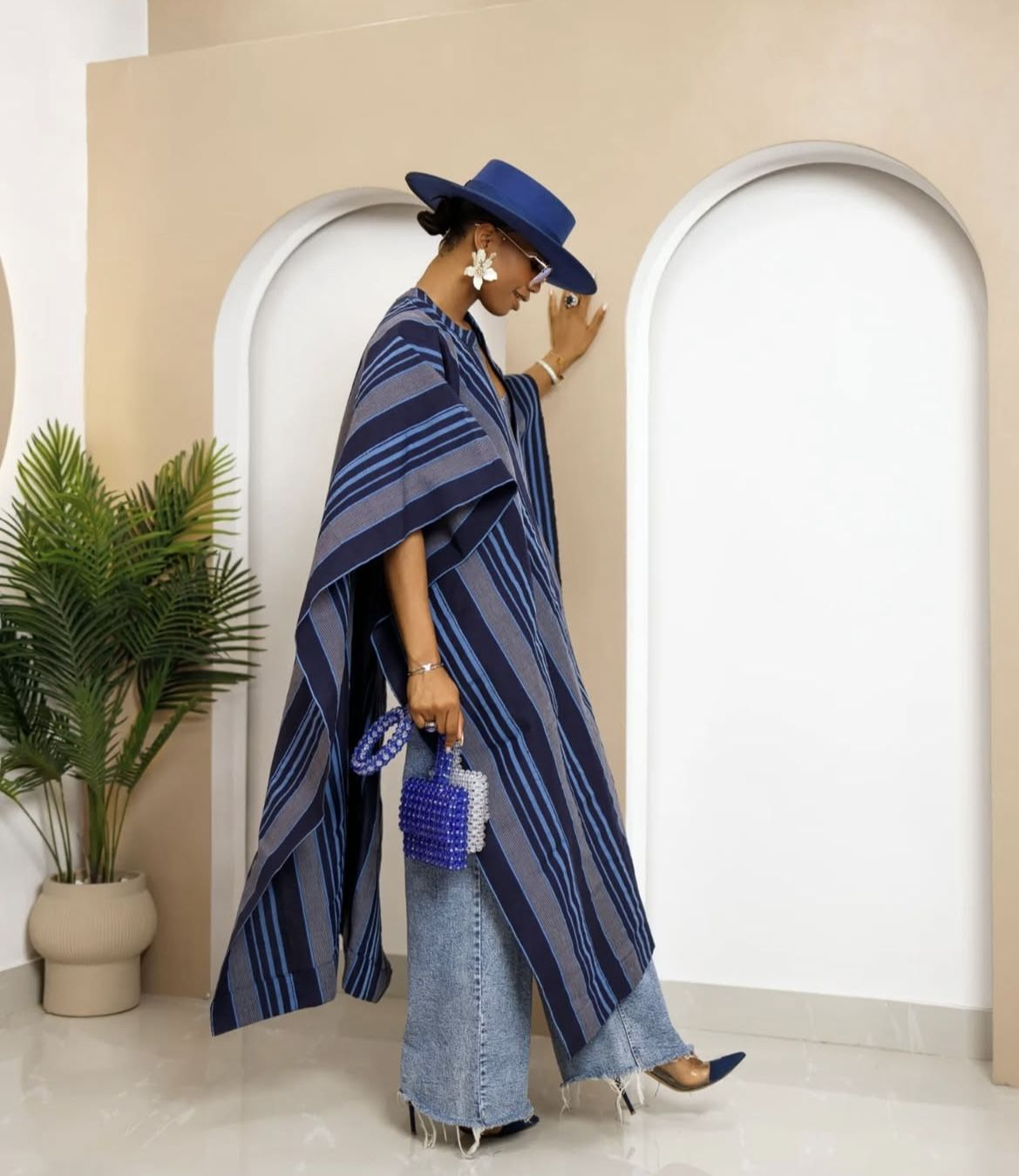
Every wardrobe needs that third piece. That one piece you throw over your basics that makes the whole outfit make sense. For the minimalist African wardrobe, this is your light kaftan, your embroidered overshirt, or that agbada-inspired jacket that somehow works over jeans.
This piece gives you options. Wear it open over a t-shirt for weekend vibes. Button it up over a plain shirt for something smarter. The fabric should be breathable, you are in the Sub-Saharan not London.
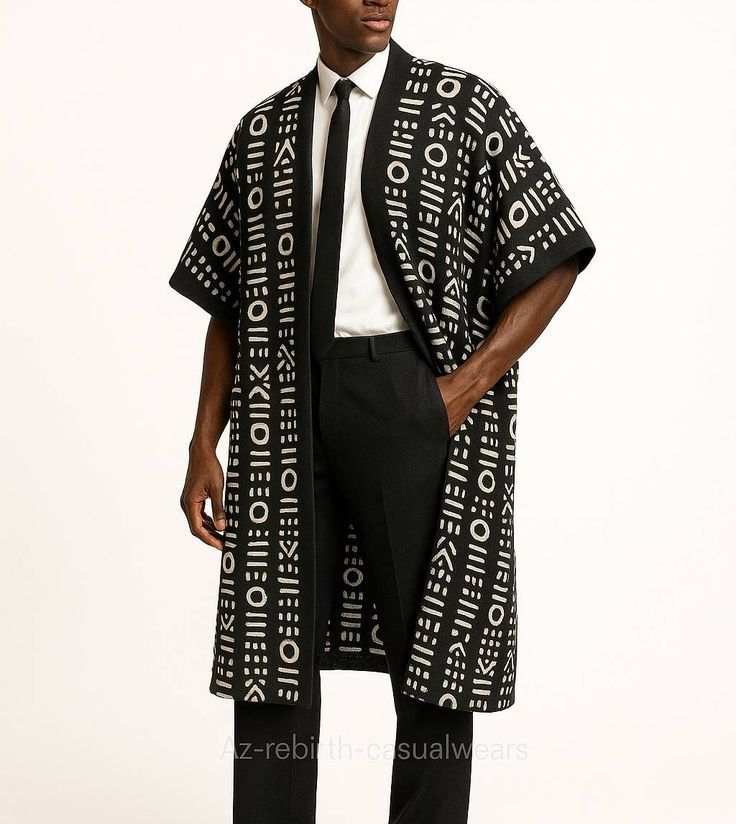
And the fit should be relaxed enough that you can move freely but structured enough.
The Rules That Make It Work
Now, having these five pieces is one thing. Knowing how to wear them without looking like you are trying too hard is another.
Rule 1: One cultural element per outfit. If you are wearing your fila, you don’t need the aso-oke vest or the beaded bracelets or the traditional sandals. Pick one and let it be the statement.
Rule 2: Invest in quality. One well-made fila that will last you five years is better than five cheap ones that will look rough after three months. Quality elevates everything. People can tell the difference.
Rule 3: Build around neutral foundations. Your cultural piece should stand out, which means everything else needs to step back. Black t-shirts, good-fitting jeans, clean sneakers, simple shirts are your base. Let the fila or the ankara jacket do the talking.
Rule 4: Consistency over variety. It is better to have one signature piece you wear religiously than twenty you rotate and never build an identity around.
Rule 5: If it's not comfortable, it won't work. This is for daily life, not a photoshoot. If you can't move freely, sit comfortably, or wear it for eight hours straight, it is not going to become part of your actual wardrobe.
Your Wardrobe Should Tell Your Story
At the end of the day, this is not about following rules or impressing anyone. It is about showing up as yourself every single day and not just on Saturdays when there is a party or Sundays when you are going to church.
My brother doesn't wear his fila because he is trying to make a statement about African fashion or prove anything to anyone. He wears it because it is part of who he is. And that is what your wardrobe should do for you too.
Start small. Pick one piece. Wear it until it feels like a part of you. Then add another. Build intentionally.
Before you know it, people won't recognize you without that signature element and that is exactly the point.
Your culture isn't a costume, it is your foundation. Dress like it.