Friendship or Lifeline? Do Africans Abroad Rely on One Another to Survive?
Africans living abroad often rely on each other for more than friendship, from sharing rent to finding jobs and staying connected to home, these networks have become essential for daily survival and support.
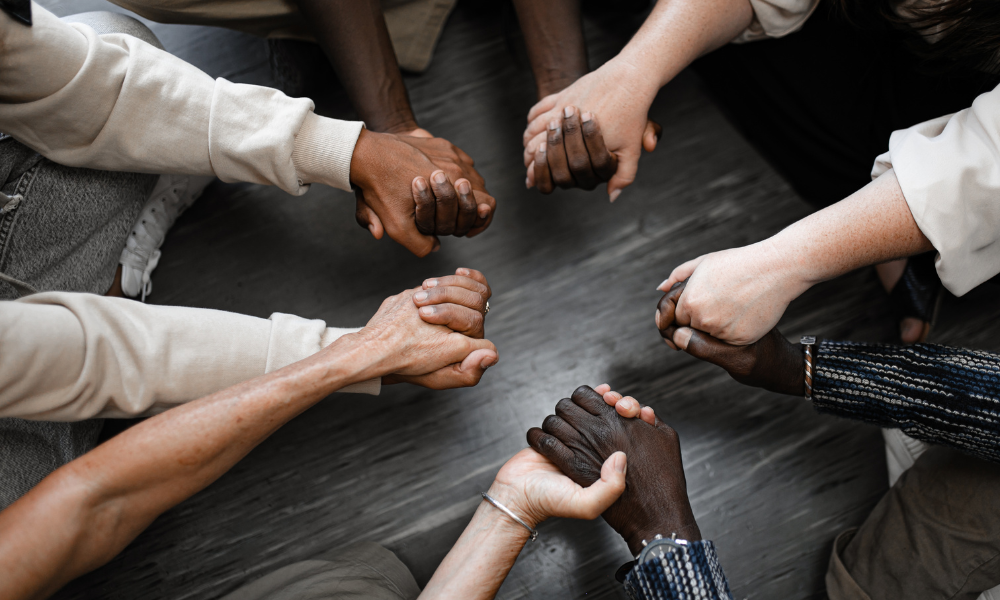
For Africans living away from home, friends are often more than companions, they are lifelines. From helping each other pay bills, find housing, or navigate new jobs, these informal networks provide crucial support that official systems often fail to offer. But how far do these connections stretch, and can friendship alone truly help people survive in unfamiliar environments?
The Role of Informal Networks
When people leave their home countries in search of better opportunities, they lose the safety structures that once supported them — extended family, longtime neighbours, familiar institutions, and local cultural norms. In a new place, especially one where language or culture is different, that support isn’t automatically available.
In the absence of formal systems that reliably protect or assist immigrants, many Africans lean heavily on each other. These networks often begin informally, through people from the same country, region, or tribe, but they can grow large, organized, and deeply supportive.

One traditional example of organized support is the hometown association, groups of immigrants from the same town or region that formally help members and contribute to projects back home. These associations can pool resources to provide economic aid or support cultural and social activities for members abroad and in their communities of origin.
One of the most visible forms of support among Africans abroad is financial. It is well known that remittances — money sent home, are a huge economic force for many African countries. In 2023, Africans living abroad collectively sent an estimated $90–100 billion to their families and communities, an amount that often exceeds foreign aid and investment.
These payments often pay for everyday necessities like rent, food, healthcare, and school fees. But they also show how diaspora networks extend beyond simple friendship, they represent real economic lifelines.
Many migrants also help each other directly with money. For example:
A friend who has found a job might lend cash to someone who hasn’t yet found work.
Small savings groups and rotating loan circles form among peers to cover unexpected bills.
Some share bank accounts or help each other navigate remittance services that cost less to use or transfer more quickly.
These practices are not unique to Africans abroad, but the scale and importance they have in African diaspora communities highlight how essential these networks are for everyday survival.
Finding stable work and affordable housing is one of the biggest challenges for new migrants. Job boards and recruitment sites are one thing, but personal connections are often what make the real difference.
Many Africans find their first jobs through somebody they already know- a friend, a cousin of a friend, someone from the same village. Once one person gets a position, they share tips on how to apply, what to expect, or how to negotiate a contract. This is not just convenience; in many cases, it’s the only practical way people find opportunities.
Diaspora Connect
Stay Connected to Home
From Lagos to London, Accra to Atlanta - We Cover It All.
Housing often works the same way. A room might be shared among several people who pool rent, utilities, and other costs. Some people move in with friends temporarily while they save money or find permanent accommodation. This sharing of resources reduces individual financial risk and makes living in higher-cost areas more possible.
Financial and practical help are part of the story, but they are not the whole story. Emotional support and shared culture are equally important.
Many Africans abroad say that having friends from similar backgrounds helps with the psychological stresses of living far from family. Many groups form around shared cultural experiences, celebrating festivals together, speaking native languages, cooking familiar foods, or attending religious services as a group. These social ties help people maintain a sense of identity and belonging in unfamiliar environments.
WhatsApp groups, Facebook communities, and local meetups often become hubs of news, emotional support, and advice. In these spaces, people share job leads, warn each other about scams, celebrate births and achievements, and mourn losses together. These interactions may seem small, but they build a shared social safety net.
Beyond informal friend groups, there are emerging platforms and organisations that help Africans abroad connect with each other and support larger goals.

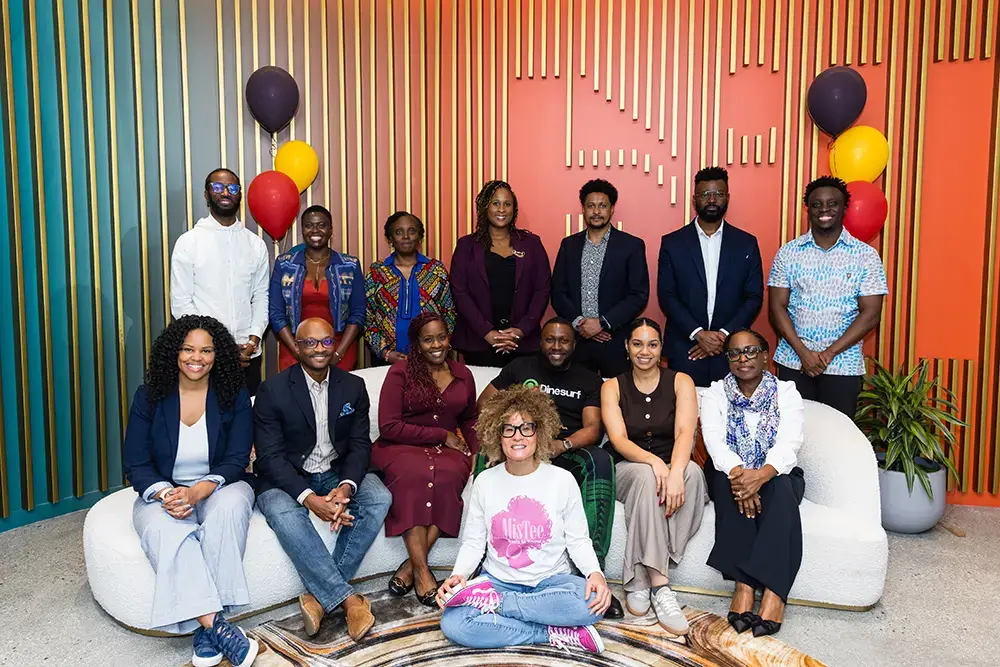
For example, DiasporaEngageris an online platform that connects diaspora members with each other and with institutions to share opportunities and resources. It encourages collaboration for personal and community development, including professional networking, access to opportunities, and support for collaborative initiatives.
There are also advocacy groups that provide practical services, like legal advice or integration support, as well as cultural organisations that help immigrants navigate life in their new countries while preserving their heritage.
Challenges Within These Networks
Even though friendship and community networks provide essential support, they are not without challenges.
Trust and risk: People often rely on close acquaintances because they lack stronger systems. But trust must be built slowly. Some new arrivals are cautious about joining networks until they have seen how others behave.
Economic strain: Helping others financially can be a burden on those who are not yet stable themselves. Informal loans sometimes go unpaid, or people may stretch themselves too thin trying to support friends.
Informality: Without formal structure, these networks can sometimes lack resources or direction. They may also fail to reach people who are isolated or not connected to the main groups.
The fact that Africans abroad depend so heavily on each other points to a larger truth: official systems — whether government programs, employer support, or social services, may not always meet the needs of immigrants. In many cases, especially for new arrivals, friendship networks become the systems people rely on most.
These networks are shaped by culture, trust, shared experiences, and necessity. They reflect resilience and adaptation, but they also highlight gaps in support that might otherwise be filled by more formal structures.
Friendship among Africans abroad is not just social, it is functional, practical, and essential. It fills gaps left by formal systems and provides economic, emotional, and cultural support that helps people survive and find stability.
Diaspora Connect
Stay Connected to Home
From Lagos to London, Accra to Atlanta - We Cover It All.