Four African Countries That Produce More Than 60% of the World’s Cocoa
Four African countries account for a major share of global cocoa production, supplying chocolate makers while supporting farming, exports and local processing.
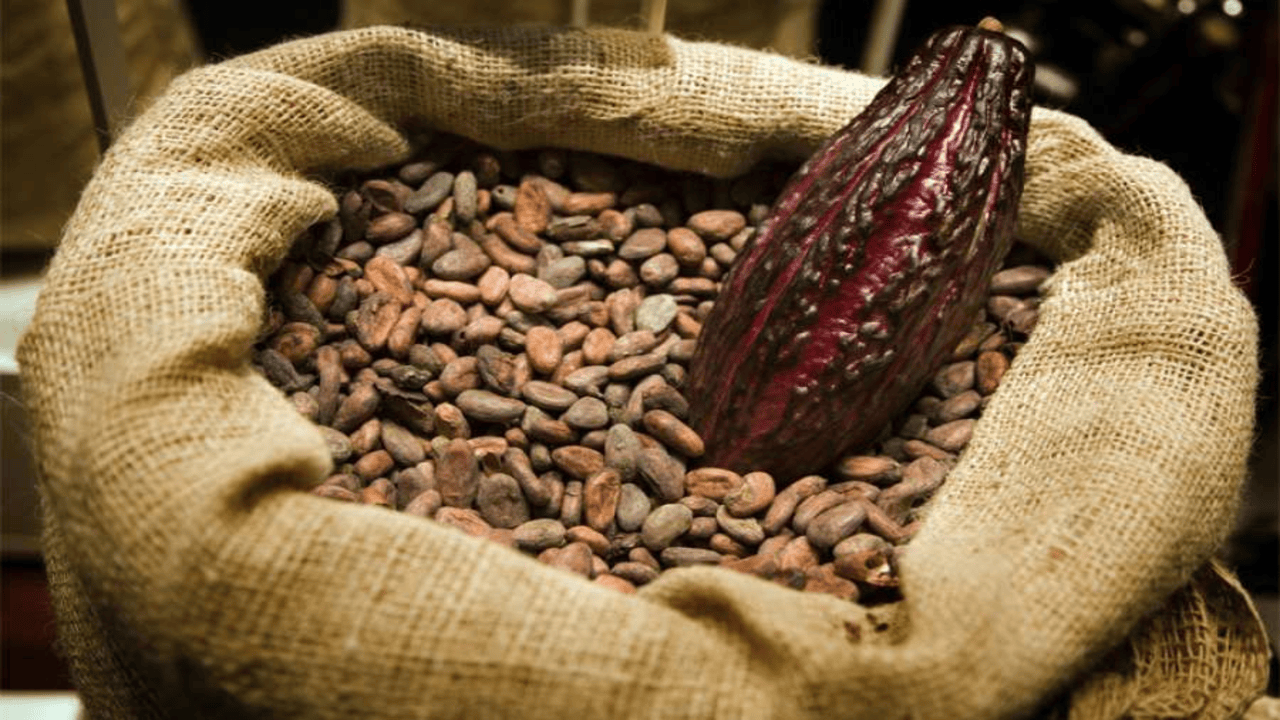
The story of cocoa goes back much further than today’s chocolate industry.
The word cacao entered Spanish from the Nahuatl word cacahuatl, used by Indigenous people in what is now Mexico. Cacao beans were highly valued by the Maya and Aztecs, whoused them as currency in parts of the Americas.
Today, Africa is the world’s leading cocoa-producing region.
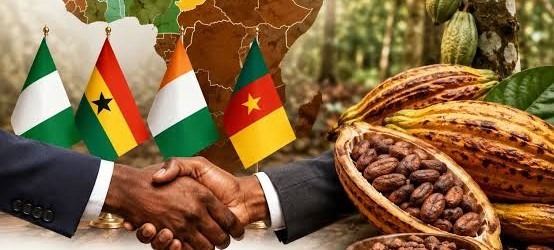
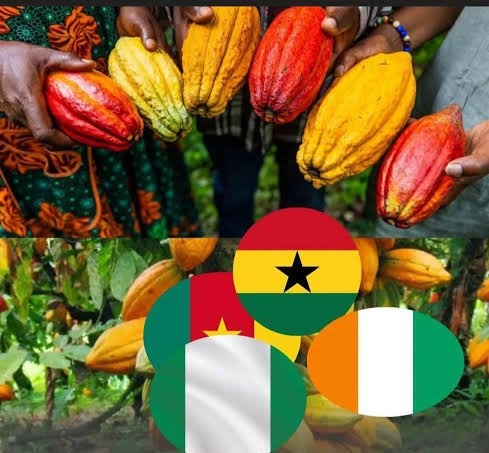
Four African countries produced a combined estimated 2.921 million tonnes of cocoa beans in the 2024/2025 season, accounting for about 62 per cent of global output.
1. Côte d’Ivoire supplies more than a third of the world’s cocoa
Côte d’Ivoire is the world’s largest cocoa producer, with an estimated 1.681 million tonnes in the ICCO’s published figures. That represented about 35.5 per cent of global output when compared with the organisation’s latest revised world production estimate.
Cocoa is central to the country’s economy. Millions of people depend on the crop directly or indirectly, from farmers who harvest the pods to traders and exporters who move the beans into international markets.
The country also processes part of its harvest locally, producing ingredients such as cocoa butter, cocoa liquor and cocoa powder for use in the food industry.
2. Ghana remains a major supplier
Ghana produced an estimated 600,000 tonnes of cocoa in the same published figures, accounting for about 12.7 per cent of global output when compared with the revised world total.
Cocoa provides income for farming communities and supports the people and businesses involved in growing, buying and transporting the beans. However, the industry faces challenges includingswollen shoot disease, ageing trees and unpredictable weather, all of which can affect yields and farmers’ earnings.
Ghana also processes some of its cocoa domestically into ingredients used in chocolate and other food products.
3. Nigeria contributes to Africa’s cocoa supply
Nigeria produced an estimated 330,000 tonnes of cocoa, representing about 7 per cent of global output when compared with the revised world total.
Cocoa farming is concentrated in the south, particularly in southwestern states such as Ondo, Osun, Ogun and Ekiti. The crop provides income for farmers and contributes to Nigeria’s agricultural exports.
Much of Nigeria’s cocoa enters international markets as beans, where buyers process it into ingredients for chocolate and other products. Domestic processing also takes place, although Nigeria is better known internationally for supplying cocoa beans than for manufacturing finished chocolate on a large scale.
4. Cameroon adds to the continent’s output
Cameroon produced an estimated 310,000 tonnes of cocoa, equivalent to about 6.5 per cent of global output when compared with the revised world total.
Cocoa is an important cash crop for farmers in the country’s southern and central regions. It supports rural livelihoods and connects local growers with buyers in international markets.
Cameroon also has a domestic cocoa-processing industry, although exports of cocoa beans remain an important part of the sector.
What happens to Africa’s cocoa?

After harvest, cocoa beans are fermented and dried before being sold or processed. They can then be transformed into cocoa liquor, cocoa butter and cocoa powder, ingredients used in chocolate, confectionery, drinks and other food products.
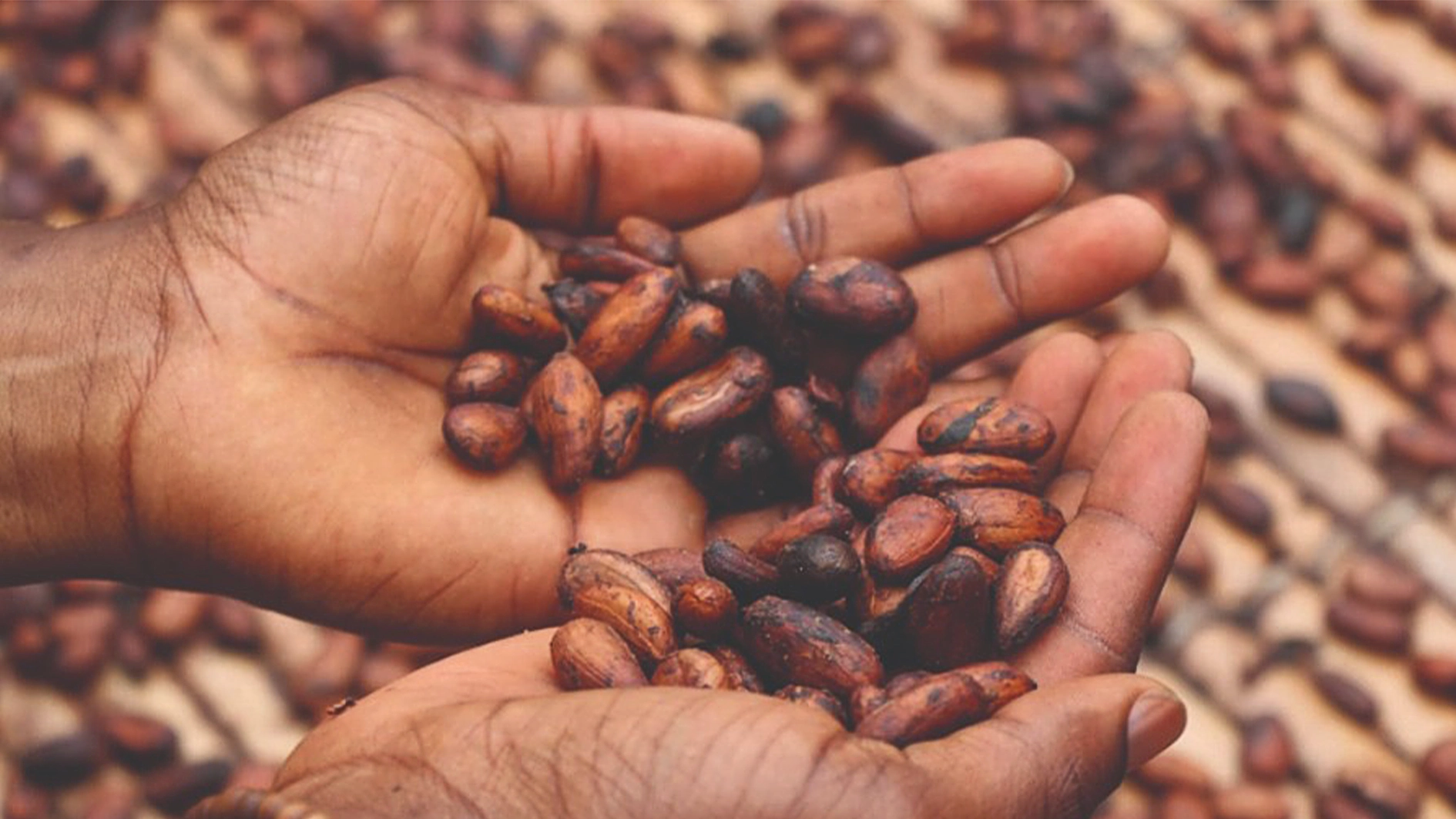
African countries export both raw beans and processed cocoa ingredients to markets around the world. Processing more cocoa locally can help producing countries earn revenue from additional stages of the supply chain.
Beyond supplying the beans, the industry supports farming communities, export businesses and local processing across the continent.