10 African Companies Ranked Among Forbes’ World’s Best Employers 2026
Forbes has named 10 African companies among the World’s Best Employers 2026. Nine are from South Africa, while Nigeria’s GTBank is the only Nigerian company on the list. See the full ranking and what it reveals about Africa’s top employers.
Forbes has named 10 African companies among the World’s Best Employers 2026, based on employee feedback from more than 300,000 workers across more than 50 countries.
But there is one striking detail about the list: nine of the 10 African companies are from South Africa.
Nigeria has just one representative, Guaranty Trust Bank (GTBank).
The ranking was compiled by Forbes and Statista and covers 900 companies worldwide. To qualify, companies had to have more than 1,000 employees. Workers were asked to assess factors including workplace environment, benefits, training, professional development and whether they would recommend their employers.
Here are the 10 African companies that made Forbes’ World’s Best Employers 2026 ranking.
1. Nedbank, South Africa
Nedbank is the highest-ranked African company on Forbes’ World’s Best Employers 2026 list. It secured the 26th position on the global list.
The South African banking group leads the continent’s representation, putting it ahead of every other African company included in the ranking.
Its position also begins a clear pattern across the African list: South African financial institutions dominate the continent’s showing.
2. Standard Bank Group, South Africa
Standard Bank Group is the second-highest-ranked African company on the Forbes list as it ranked No. 54 on the global list.
The South African financial services group is one of the continent’s largest banking institutions and operates across multiple African markets.
Its appearance alongside Nedbank highlights the strength of South Africa’s banking sector among major African employers.
3. Absa Group, South Africa

Absa Group takes the third position among African companies on Forbes’ 2026 list. It ranks 98th globally on Forbes’ World’s Best Employers 2026 list.
The South African financial services group is the third consecutive South African bank to appear at the top of the African ranking.
That means the first three companies representing Africa are all South African financial institutions.
4. FirstRand, South Africa

FirstRand is another South African financial services group featured among Forbes’ World’s Best Employers 2026. It ranks No. 104 globally and No. 4 in Africa on the Forbes World’s Best Employers 2026 list.
Its inclusion makes four South African banks in a row at the top of the African list.
The concentration shows just how strongly South Africa’s established banking industry features in Forbes’ assessment of major employers.
5. MTN Group, South Africa
MTN Group breaks the banking streak, becoming the highest-ranked African telecommunications company on the list.
On the Forbes World's Best Employers 2026 list, MTN Group secured the #133 spot globally, cementing its position as the highest-ranked African company outside of financial services.

The telecommunications giant operates across several African markets, including Nigeria.
However, Forbes’ ranking applies to MTN Group as a multinational company, rather than to individual country operations such as MTN Nigeria.
Its inclusion shows that the continent’s strongest employers are not limited entirely to financial services.
6. Investec, South Africa
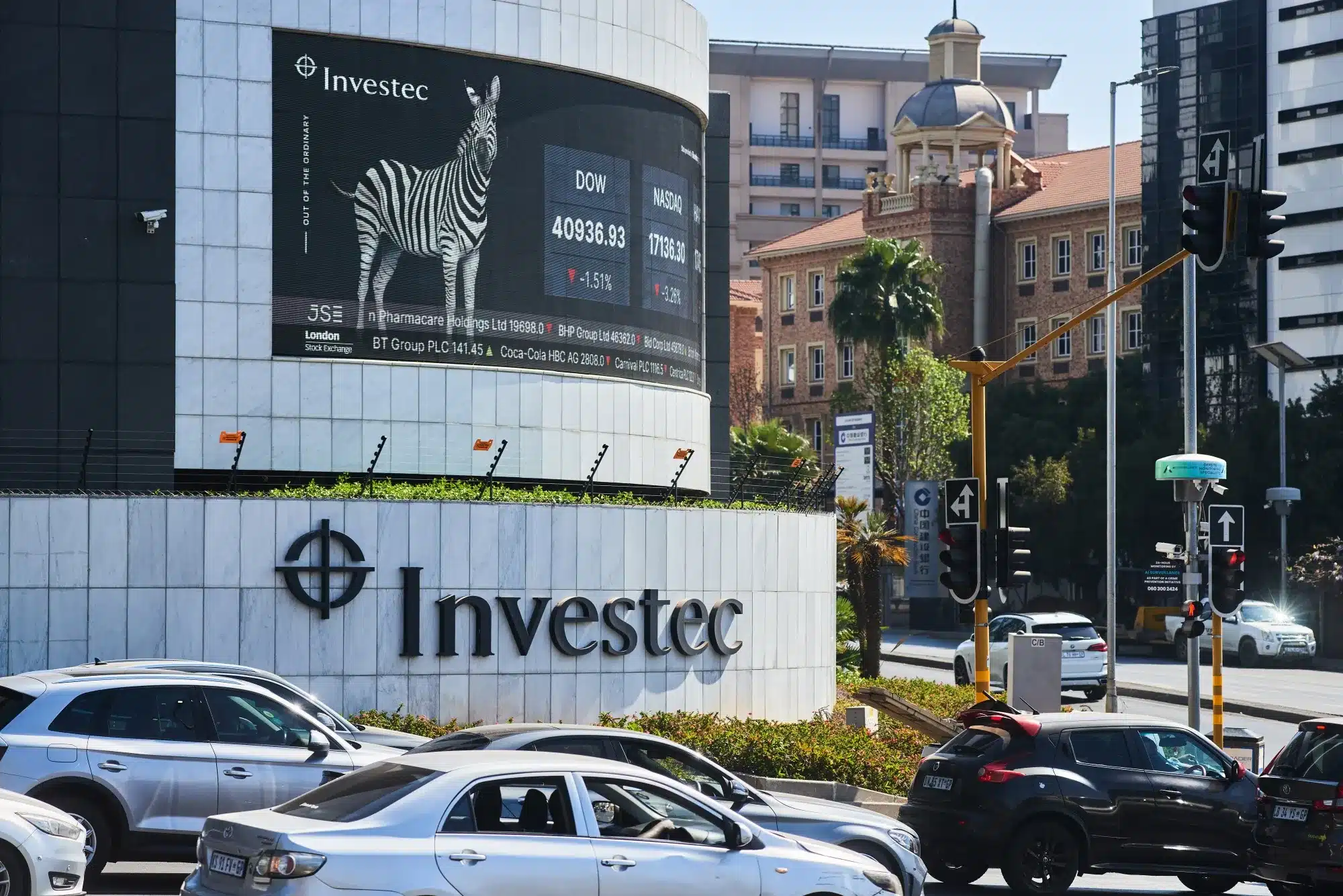
Investec is another South African financial services company included among Africa’s 10 best-ranked employers.
It holds a global rank of #1343 as a Diversified Financial services firm.
The company operates internationally across banking and wealth management, making it one of the continent’s prominent financial institutions with a global presence.
Its inclusion further strengthens South Africa’s dominance of the Forbes ranking.
7. Guaranty Trust Bank, Nigeria
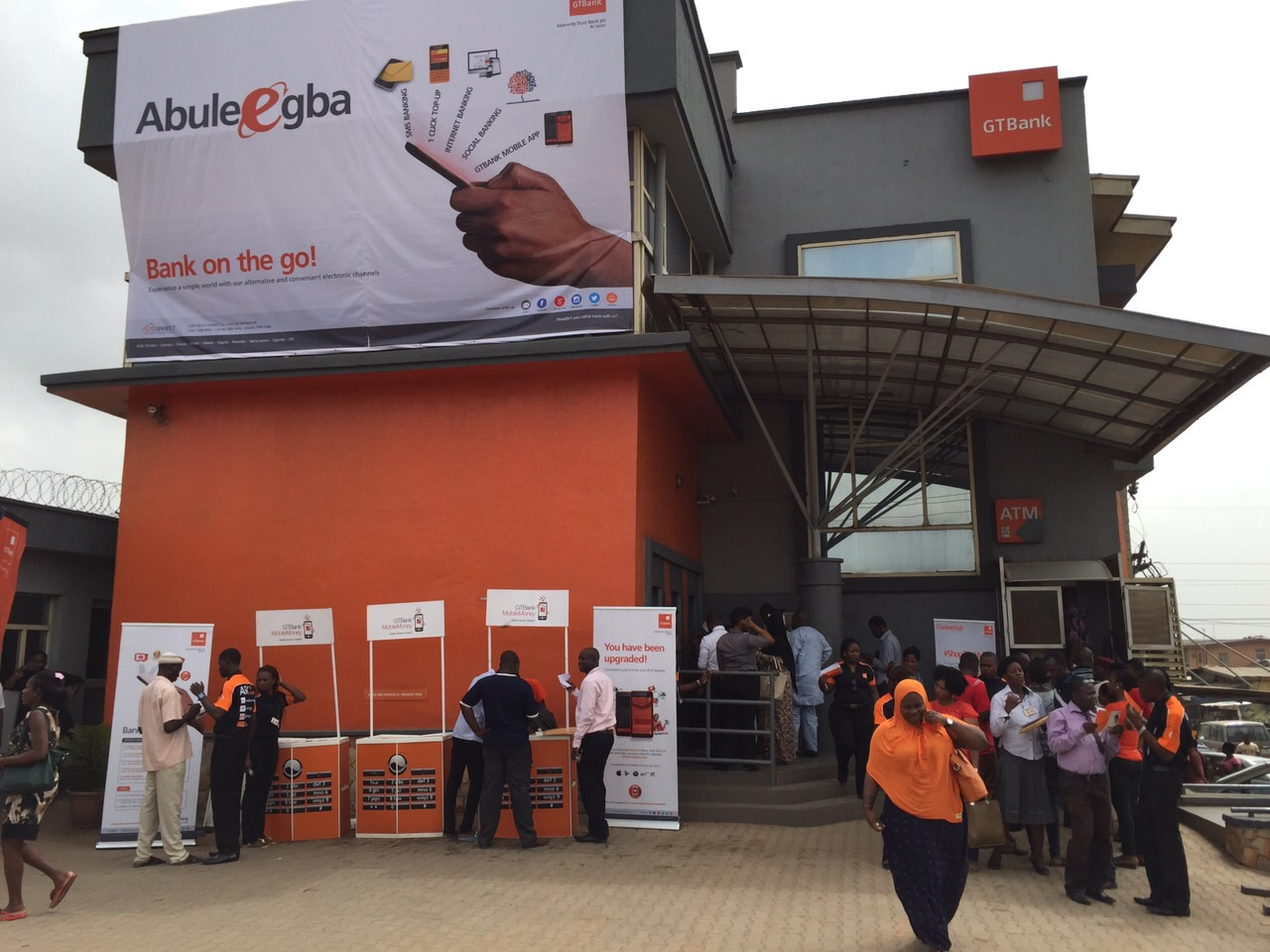
Guaranty Trust Bank, popularly known as GTBank, is the only Nigerian company among Africa’s 10 representatives on Forbes’ World’s Best Employers 2026 list.
The Nigerian financial institution is also the only company from outside South Africa to make the African top 10.
GTBank’s appearance is particularly notable because financial services dominate the ranking. While South African banks account for most of the financial institutions on the list, GTBank represents Nigeria.
However, the ranking should not be interpreted as saying GTBank is officially the best company to work for in Nigeria.
Forbes’ ranking is global and based on employee perceptions of qualifying companies. It is not a Nigeria-specific workplace ranking.
8. Sasol, South Africa
Sasol brings the energy and chemicals sector into Forbes’ African top 10.
The South African company is a major industrial business with operations extending beyond the country. Headquartered in Sandton, South Africa, this integrated energy and chemicals giant is a crucial player outside of the heavily represented financial services sector.
Its inclusion adds some sectoral variety to a ranking otherwise heavily dominated by banks and financial services companies.
9. Mediclinic International, South Africa

Mediclinic International represents the healthcare sector among Africa’s companies on Forbes’ World’s Best Employers 2026 list.
The healthcare group has a significant international presence and is another example of the large, multinational companies covered by the ranking.
Its inclusion demonstrates that Forbes’ list extends beyond banking, telecommunications and traditional corporate services.
10. Sanlam, South Africa
Sanlam rounds out the list of 10 African companies recognised among Forbes’ World’s Best Employers 2026.
The South African financial services group is another major player in the continent’s financial sector.
Its inclusion means financial services account for six of the 10 African companies featured in the ranking.
Why Does South Africa Dominates Forbes’ List?
The biggest story from Forbes’ ranking is not simply which companies made the list. It is the overwhelming presence of one country.
Nine of the 10 African companies are headquartered in South Africa.
Nigeria has just one representative, GTBank.
The dominance is particularly visible in financial services. Six of the 10 companies are in banking and financial services, and five of those six are South African.
There are several reasons the ranking is concentrated this way.
Forbes and Statista focused on large employers with more than 1,000 employees, particularly companies with significant international operations. South Africa has a large number of established financial institutions and multinational companies that fit those criteria.
The result, therefore, should not be treated as a complete ranking of the best companies to work for in Africa.
Millions of African workers are employed by smaller businesses, local companies and organisations that do not meet Forbes’ criteria. The continent's large informal economy is also largely outside the scope of the ranking.
How Did Forbes Rank the World’s Best Employers?
The Forbes World’s Best Employers 2026 ranking was based primarily on employee perceptions.
More than 300,000 employees across more than 50 countries participated in the research.
Workers were asked to assess their employers on areas including:
Workplace environment
Employee benefits
Training opportunities
Professional development
Talent development
Willingness to recommend the company to family and friends
Employees could also rate former employers they had worked for within the previous two years, as well as companies they knew through their professional or personal networks.
This makes the ranking useful for understanding how employees perceive major international employers, but it also comes with limitations.
A company’s position on a global list does not mean every employee has the same experience. Working conditions can differ between countries, departments, offices and individual teams.
The ranking also does not compare every employer in each African country.
So, What Does Forbes’ 2026 Ranking Means for Africa?
The Forbes World’s Best Employers 2026 ranking offers an interesting snapshot of where some of Africa’s largest employers stand on the global stage.
South Africa clearly leads the continent, with nine companies in the African top 10.
Nigeria, despite its huge economy and population, has just one representative in GTBank.
The list is also heavily weighted towards financial services, with telecommunications, energy, chemicals and healthcare making up the remaining sectors.
Ultimately, the ranking is not a definitive answer to which African companies have the best workplaces. It is a reflection of how employees perceive a selected group of large, qualifying employers.
But the result still raises an important question for the rest of the continent:
What will it take for more African companies outside South Africa to become recognised among the world’s best employers?