Founded on Fools' Day: The Ironic Birthday of Nigeria's Police Force
Ọlọ́pàá – Yoruba for "a person with a stick." On April 1, 1930, Britain founded Nigeria's Police Force – yes, on Fools' Day. This is the history nobody taught you.
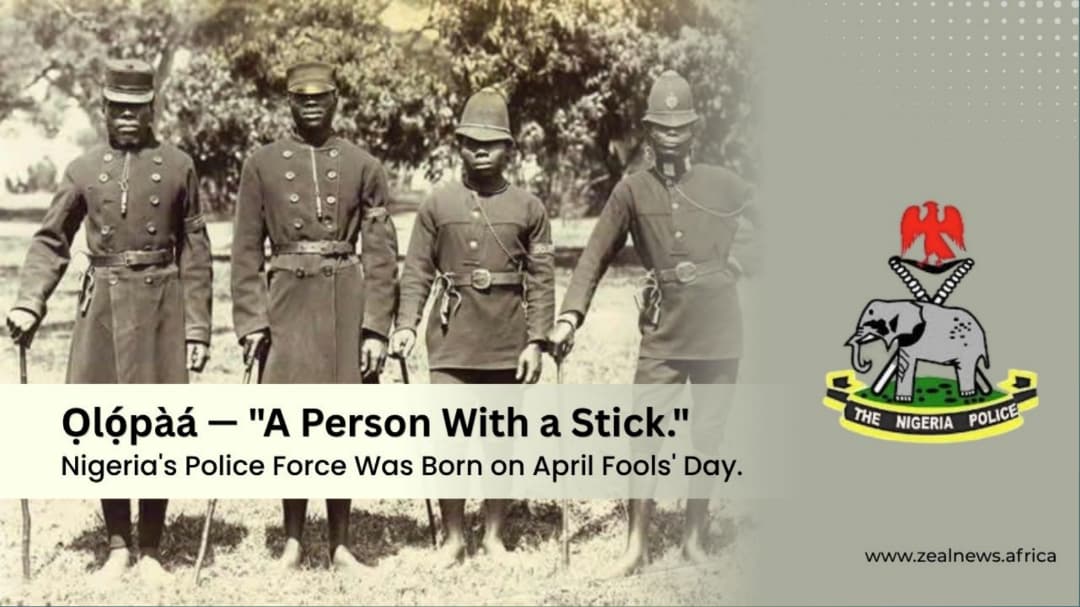
No, this is not an April Fools' joke. Nigeria's police force was literally born on one.
On April 1, 1930, the British colonial government officially established what would become the Nigeria Police Force.
The one day of the year the whole world has reserved for pranks, hoaxes and things that are not to be taken seriously. Whether that was coincidence or cosmic commentary, history has never quite explained.
The joke, if there ever was one, was never on the British.
"Ọlọ́pàá" (A Person With a Stick)
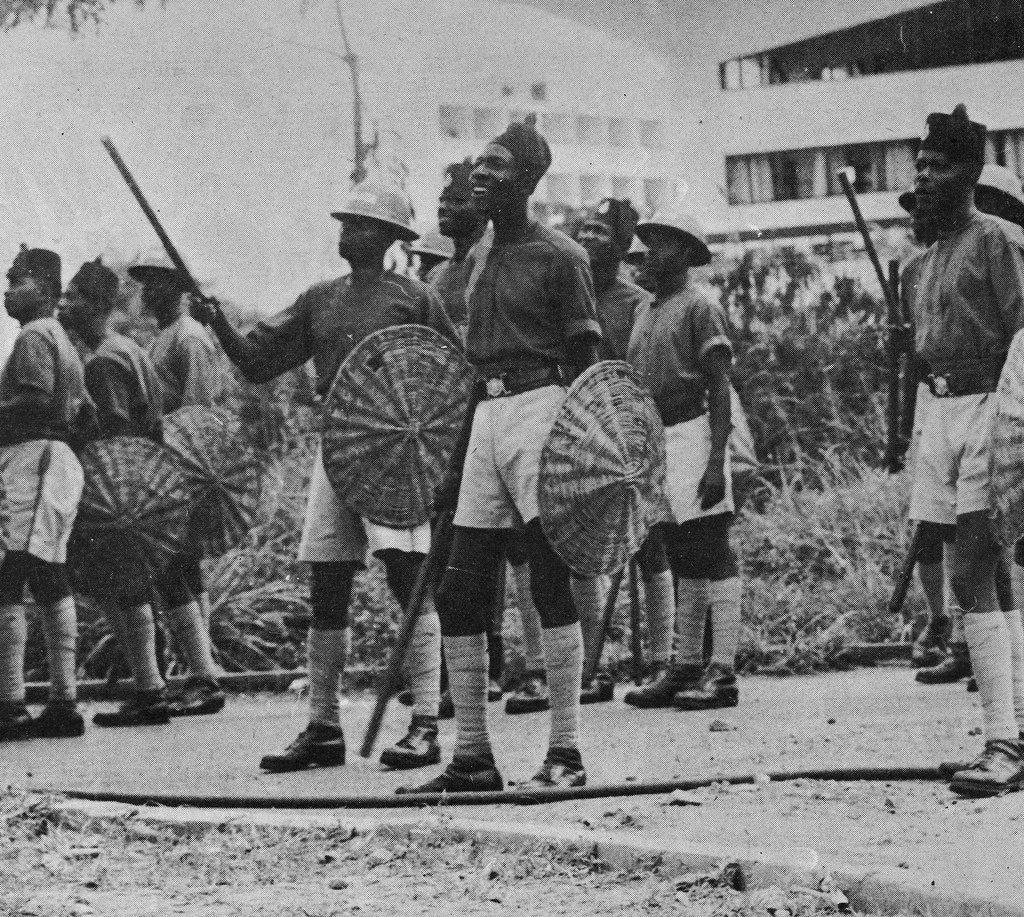
Long before anyone called them officers, Nigerians had already named them.
In Yoruba, the word for police is Ọlọ́pàá and it does not mean protector, enforcer, or keeper of the peace. It means, quite literally, a person with a stick.
That is not an insult, but a historical record.
Incolonial Nigeria, policemen did not patrol with firearms.
They walked the streets with sticks and they used them.
Ọlọ́pàá was not a nickname, it was an observation.
Ordinary Nigerians looked at these men, saw exactly what they carried and exactly what they did with it, and named them accordingly. The Yoruba language, as it often does, simply told the truth.
There is something quietly powerful about that.
History
Rewind the Stories that Made Africa, Africa
A Journey Through Time, Narrated with Insight.
While colonial administrators wrote long official reports about law, order, and civilization, everyday people across southwestern Nigeria had already written their own one-word review and it captured the whole picture.
Who Was the Nigeria Police Force Really Built For?
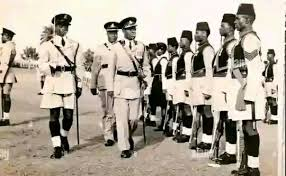
To understand the Nigeria Police Force, you have to understand what British colonial Nigeria actually was – a territory being actively extracted.
Do we talk about the tin from Jos, palm oil from the Niger Delta, cocoa from the southwest. The British were not in Nigeria to build anything for Nigerians. They were there to take, and they needed a structure to protect that operation.
The police force was part of that structure.

Established on April 1, 1930, the colonial Nigeria police was primarily tasked with maintaining order and in the context of British colonial administration, order meant protecting the political and economic interests that kept the empire running.
Whether that also served Nigerian communities is a question historians have debated ever since.
The men who carried those sticks were, in many cases, Nigerians themselves – recruited, uniformed, and pointed at their own people in service of a foreign government.
That tension of Nigerians policing Nigerians on behalf of colonisers is one of the most complicated threads running through the force's history.
And it did not simply disappear when Nigeria gained independence on October 1, 1960.
From Sticks to Guns (What Actually Changed?)
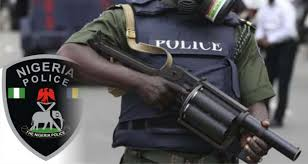
When Nigeria became independent, the colonial police force did not get dismantled and rebuilt from scratch. It was inherited.
The Nigeria Police Force that exists today grew directly out of the same institution Britain set up in 1930 but with a new name, new flag, and the same bones.
History
Rewind the Stories that Made Africa, Africa
A Journey Through Time, Narrated with Insight.
The sticks became guns, the uniforms changed and the official mandate shifted, at least on paper, toward serving Nigerian citizens.
But institutions carry their histories in their structures, their cultures, and their muscle memory. A force built to control a population does not automatically become a force built to protect one simply because a flag changed.
This is not a condemnation. It is context – the kind young Nigerians deserve to have when they think about the institutions that govern their daily lives.
Why Any of This Matters Today
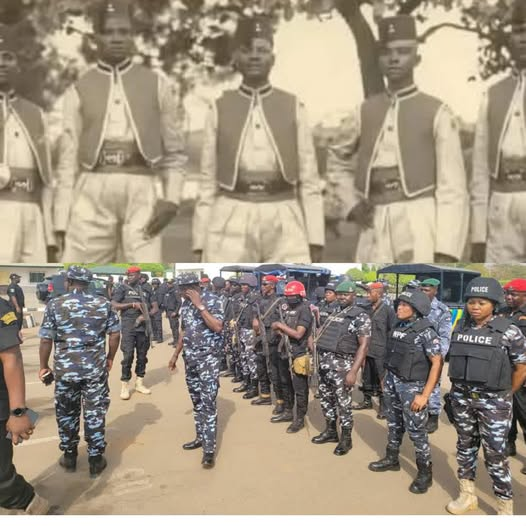
Ninety-five years after its April 1st founding, the Nigeria Police Force is still one of the most discussed, most criticised, and most complicated institutions in the country. The conversations around police reform and public trust did not appear from nowhere.
They have roots and understanding those roots starts with knowing exactly what was built in 1930, and the circumstances it was built in.
Ọlọ́pàá started as a person with a stick. The stick is gone.
The question worth asking is what exactly replaced it. And whether what was built in 1930 can ever be fully rebuilt into something that actually belongs to the people it is supposed to serve.
That is not a Fools' Day question. That is the real one.