“For Richer, For Richer”: How Wedding Vows Reflect Changing Values in African Marriages
A growing number of African couples are rewriting their wedding vows — replacing “for poorer” with “for richer” — in a bold declaration of faith and optimism. But beneath the viral trend lies a deeper story about shifting values, modern aspirations, and how love itself is being redefined.
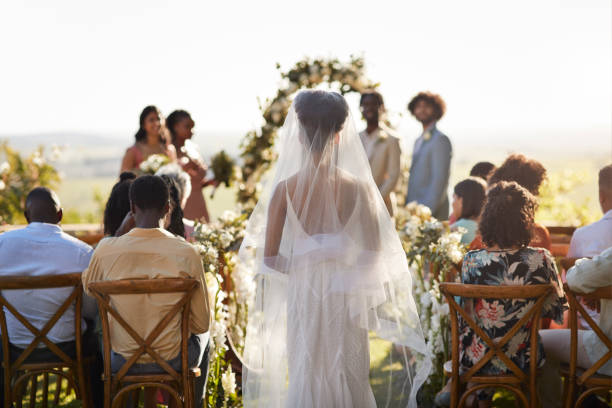
“For Richer, For Richer”: A New Language of Love
Recently, if you've scrolled through social media or browsed wedding blogs, you've likely seen something odd in the vows. Couples—frequently brides, sometimes grooms—are substituting the old "for richer, for poorer; in sickness and in health" with something newer. Now it’s “for richer, for richer,” or maybe “in health and in health.” It's a harmless-sounding alteration at first. But in nations like Nigeria, where religion, marriage, and ambition are all intertwined, this little change has folks buzzing.
It’s not just about the words themselves. It’s about how we see commitment, what faith means now, and whether today’s couples are allergic to the idea of struggle. Are these new vows just a burst of hopefulness, or is there something deeper—a worry that even mentioning hardship might call it down on your head?
To really get it, you have to look at how language works in African religious life. In churches from Lagos to Nairobi, people take words seriously. Say “for poorer,” and some folks feel like you’re jinxing your marriage. Many pastors preach that what you confess shapes what happens. Your words set the tone for your future.
So for couples choosing “for richer” or “for better,” it’s not about pretending pain doesn’t exist. It’s a way of declaring, out loud, that they expect health and abundance. It’s a move rooted in faith, sure, but also in a culture that’s grown obsessed with positivity, success, and the “soft life”—thanks to prosperity gospel messages and the glossy lives on Instagram.
But this isn’t just about religion. Young Africans these days have grown up watching comfort and success pushed as the ultimate goals. Changing the vows is their way of saying, “We’re aiming high.” They want a love affair without struggle, or at least without the addition of struggle to the formula. It's a statement—almost rebellion—against the conventional wisdom that love and suffering go together.
Not everybody, naturally, is buying it. Older folks especially worry what happens when things get rough. If you skip the parts about sickness and struggle, will your marriage survive the hard days? Can love endure if you only promise to stick around when it's good? That's the real argument behind all these viral wedding videos—and really, it's something that we're going to be talking about for a long time.
Personalization, Performance, and the Pressure to Be Happy
Weddings are no longer about tradition. Now they're about personality — couples want all the details, from flowers to dance floor, to be about who they are. Vows are no exception. People look at those old vows and say, "These really don't sound like us." Changing them out or rephrasing them is a way of taking back control, making the ceremony feel honest and real and not about filling in boxes.
Social media cranks this up even more. You’ve probably seen those viral videos — brides joking, “for richer for richer,” or couples breaking into laughter at the altar. That kind of visibility spreads fast. What used to be private is now posted, shared, and talked about everywhere. Suddenly, the way people talk about love and commitment is shifting in front of everyone.
Of course, not everyone’s thrilled. Some religious leaders and older family members see all this change as a warning sign. What's once been private is now posted, shared, and gossiped about everywhere. All at once, the way people talk about love and commitment is shifting before people's eyes.
Of course, not everyone's happy. Younger couples argue that rewriting vows isn’t about denying reality, but about updating what hope and commitment look like. Maybe saying “for richer for richer” isn’t about ignoring the hard parts, but about holding onto optimism — believing that love, with some faith and work, can get through lean times.
All these changes really show how marriage itself is different now, especially in big African cities. It’s less about duty, more about real partnership. Couples want equality, shared dreams, and a sense that they’re building something together — not just surviving side by side. Rewriting vows is just one way they’re making that clear.
Social Insight
Navigate the Rhythms of African Communities
Bold Conversations. Real Impact. True Narratives.
Faith, Culture, and the Real Meaning Behind the Words
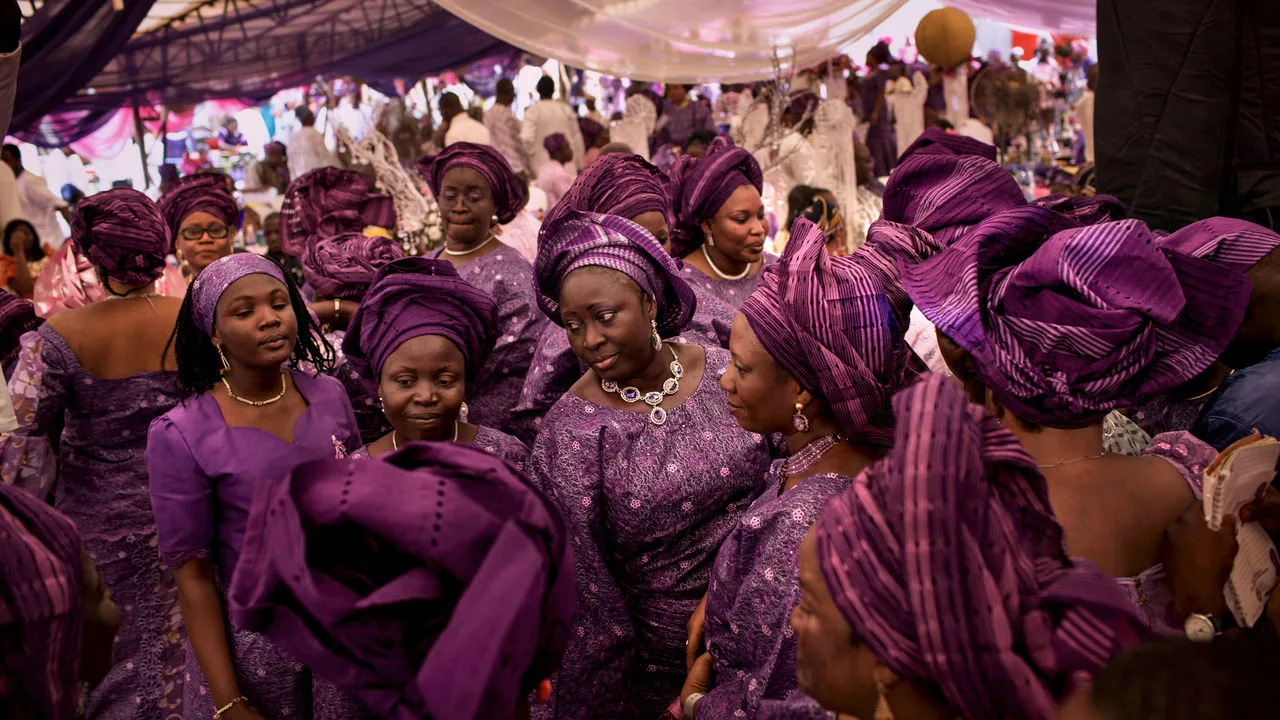
In African communities, weddings are way more than just two people saying “I do.” The whole village turns out—families, friends, faith leaders—everyone’s there, and their support makes every word feel heavier. So when couples personalize the traditional vows, it's not so much about disrupting the formula. It gets at something deeper—what people believe, what they hope for, and how they see themselves in the world.
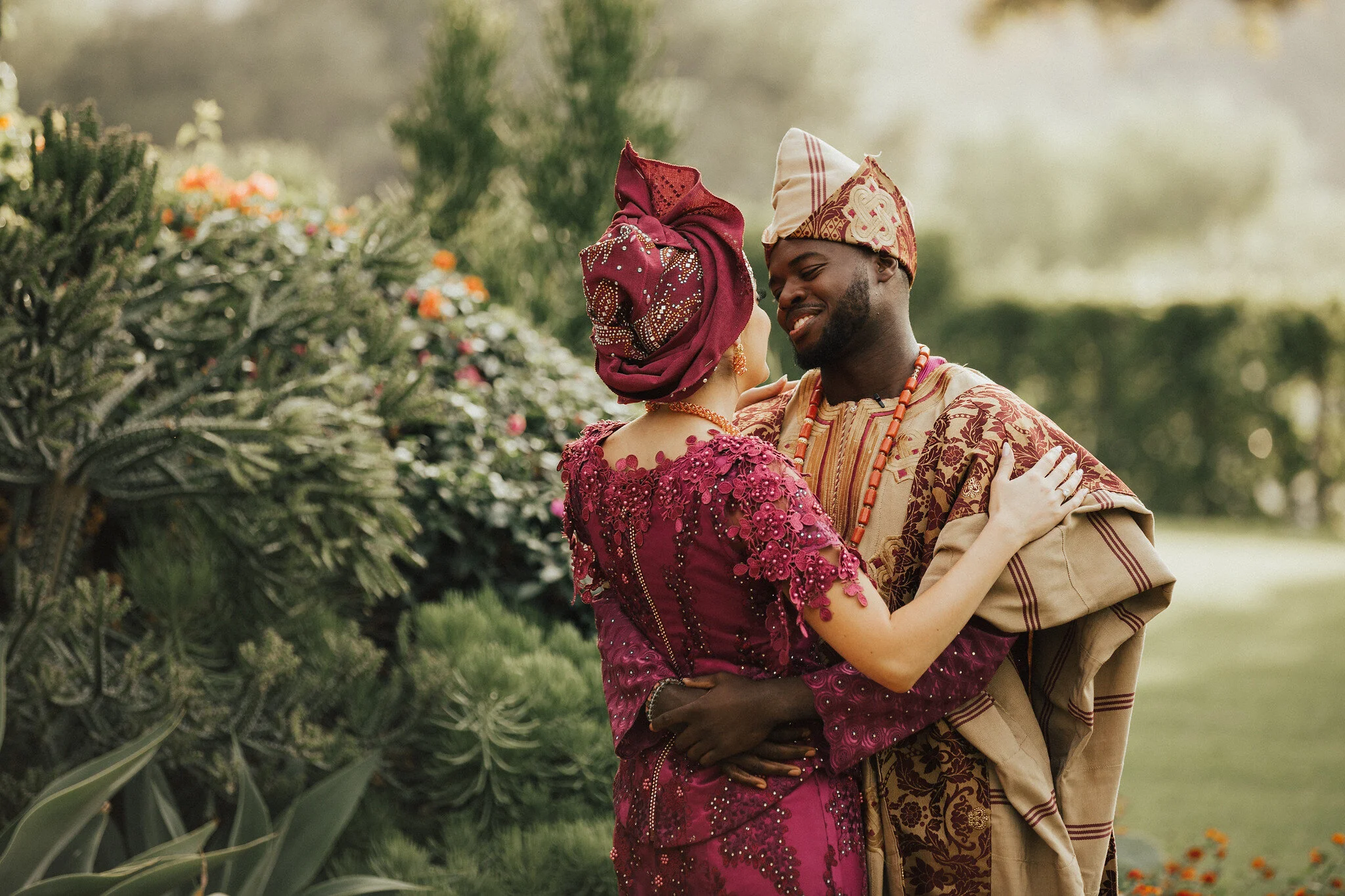
Picture a Nigerian or Ghanaian bride standing at the altar and speaking "for richer for richer." She doesn't mean it as a joke or in relation to herself. She's confidently hoping out loud, trusting God will provide, and stating, "We're shooting high. We’re not stuck in the old struggles.” There's faith involved, but there's ambition too.
But you can't wish all your troubles away. Love doesn't work that way. It gets tested, and anyone who’s ever been married knows it. The old vows never cursed anyone—they just admitted the truth. Life gets tough. Skipping over that part can make it easier to forget the grit you need to stay together when things get rough.
Others worry that all this talk of abundance only prepares couples for a crash. And, of course, it's nice to be positive, but then what happens when the cash runs out or when disaster strikes? Alternatively, couples who love the new vows tell opponents to stop being so obtuse. For them, speaking about wealth and wellness isn’t denial. It's about not being defined by difficult times.

So, what really is the answer? Honestly, it's complicated. Words matter, but what you experience together matters even more. Marriage is beautiful because it’s both hope and hardship, all tangled up. As African societies shift—mixing faith, ambition, and a new sense of self—these vows will keep changing, too. The real trick is dreaming big without losing touch with reality.
Maybe “for richer for richer” isn’t just a fad. Maybe it’s a mirror, showing a new generation reaching higher, even in love, while figuring out that real partnership sticks around through every high and low life throws at you.