Are Millennials the Last Generation That Will Remember Life Without Internet?
They remember when calling someone meant finding them at home, not sending a WhatsApp message. Millennials grew up in one world and became adults in another. What happened to the generation caught in between?

Somebody born in 1994 can still tell you what it felt like to wait three days for a letter. That same person can now unlock their phone forty times a day without even noticing.
That is the strange thing about being a millennial. You grew up in a world that no longer exists, then watched technology completely change the world while you were still young enough to adapt to it.
Who Are Millennials?
Millennials are generally defined as people born between 1981 and 1996, which puts them roughly between 30 and 45 years old in 2026.
In Nigeria, that means growing up when NTA was still a major part of your evening, playing suwe and tinko-tinko outside, and doing homework by candlelight because NEPA had decided everybody needed to experience darkness together.
You knew what it meant to knock on your friend's gate instead of sending a WhatsApp message. If your friend wasn't home, you went back home. There was no "Where are you?" text.
And somehow, these are the same people who later became teenagers with Nokia phones, discovered Yahoo Messenger and Blackberry Messenger, spent hours choosing the perfect BBM status, and eventually woke up one day with smartphones capable of doing almost everything a computer could do.
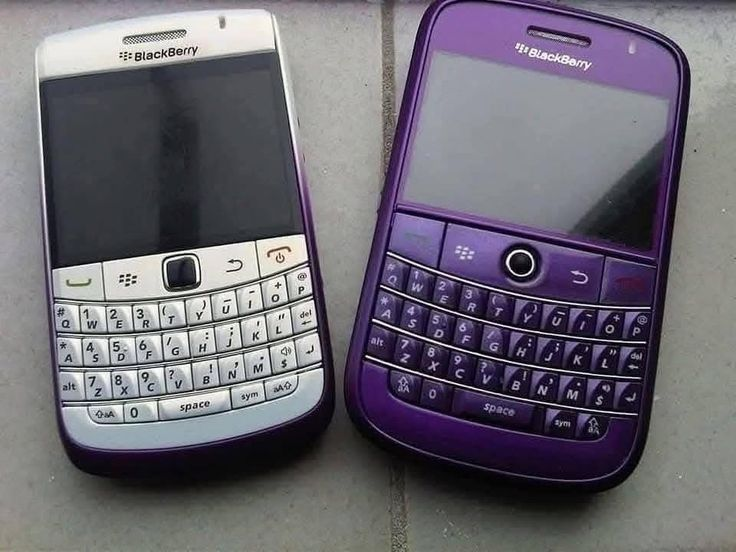
That transition happened so quickly that millennials sometimes forget how strange it actually was.
They remember when having a family landline was a big deal. They remember memorising people's phone numbers because there was nowhere to save them. They remember going to a cybercafé because the internet was not something sitting in your pocket.
Then the internet became normal. Social media arrived, phones got smarter, and google became the answer to every argument. Suddenly, the same generation that had once waited for information had access to almost all of it within seconds.
That is what separates millennials from the generations around them.
Generation X grew up without the internet and entered adulthood without having to completely rebuild their lives around it. Gen Z came after the transformation and grew up with smartphones, social media and constant internet access already around them.
Millennials had to learn both worlds.
They remember what life was like before the internet became unavoidable, and they know what it is like to live with it now.
A Childhood When Nobody Was Trying to Keep You Entertained
There was a time when being bored was just being bored.
Social Insight
Navigate the Rhythms of African Communities
Bold Conversations. Real Impact. True Narratives.
You finished your homework, your friends were nowhere to be found, there was nothing interesting on television and your parents were busy doing their own thing. So you sat down. Maybe you stared at the ceiling. Maybe you went outside. Maybe you picked up a bottle cap and somehow turned it into a game.
Nobody handed you an iPad because you were bored. There was no YouTube Kids waiting to rescue you.
In Nigerian homes, children found ways to entertain themselves because there was no other option. You played outside until somebody's mother started shouting your name from the gate.
You invented games. You argued with your siblings. You read old magazines. You watched whatever was showing on television, even if it was something you had absolutely no interest in.

And if the television was showing nothing?

Well, congratulations.
Information was also something you had to work for. If you wanted to know something, you asked someone. You checked a textbook. You looked through an encyclopedia. You waited for the newspaper. You called the one person in the family who seemed to know everything.
There was no pulling out your phone in the middle of an argument and saying, "Let me Google it."
If someone confidently told you that the capital of Burkina Faso was Bamako, you could spend the rest of the afternoon arguing about it because nobody had a search engine in their pocket to settle the matter immediately.
Even entertainment demanded more attention.
If you wanted to watch Super Story, you watched Super Story. You were not watching it while replying to WhatsApp messages, checking TikTok, opening Instagram and somehow ending up on a completely unrelated video thirty minutes later.
Reading a book meant reading the book.
Listening to music meant listening to the music.
Going to a friend's house meant actually being at your friend's house.
There was no notification buzzing every few minutes to remind you that somewhere else, something else was happening.
Social Insight
Navigate the Rhythms of African Communities
Bold Conversations. Real Impact. True Narratives.
Of course, that childhood was not perfect. There were plenty of things people would happily leave behind. Slow internet, expensive calls, limited access to information and the eternal struggle of trying to get a television signal were not exactly technological achievements.
But there was something else in that slower life that is much harder to explain now.
You had fewer things competing for your attention.
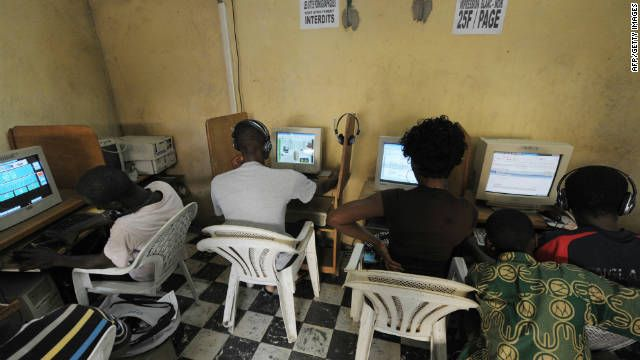
The Things Gen Z and Gen Alpha Will Never Have to Miss
Ask a teenager today to spend a week without the internet and you will probably get a look that says you have just suggested they move to Mars.
And honestly, can you blame them?
For someone who grew up with smartphones, Wi-Fi and social media, the idea of being disconnected is not a normal childhood memory. It is an inconvenience.
A Gen Alpha child does not remember having to wait until tomorrow to find out what happened in the news. They do not remember having to physically meet a friend to know what they were doing. They cannot remember a time when you could disappear for an entire afternoon and nobody could check your location.
They are not missing anything. They simply never had it.
That is where the millennial experience becomes interesting.
Millennials can remember both.
They know what it feels like to wait for something and what it feels like to get it immediately. They remember being unreachable and now struggle to understand why they did not answer a message within five minutes.
They remember memorising phone numbers and now have no idea what most of the numbers saved in their contacts actually are.
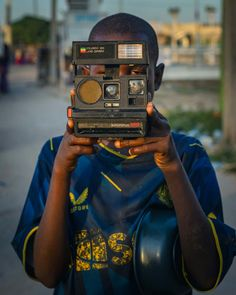
They remember when a photograph was something you took carefully because you had a limited number of shots on a camera roll. Now, taking 47 pictures of the same meal is completely normal.
They remember when you had to physically buy music, then watched CDs give way to MP3s, downloads and finally streaming.
They watched the internet go from something you visited to something you are simply always inside.
Social Insight
Navigate the Rhythms of African Communities
Bold Conversations. Real Impact. True Narratives.
And perhaps that is the most interesting thing about millennials. It is not that they had a better childhood than Gen Z or that life was somehow better before smartphones. Every generation has things the next one will never understand.
It is that millennials can actually remember the transition.
They do not have to imagine what life was like before smartphones. They lived it.
They can tell their children what it was like to have an entire afternoon with nothing planned, to wait for a letter, to play outside without somebody tracking their location and to settle an argument without immediately asking Google.
Then they can turn around, open their phone and spend an hour scrolling TikTok.
That is a very specific kind of generational experience.
And once the people who lived through that transition are gone, the difference between those two worlds will still exist in history books, old photographs and documentaries. But the generation that genuinely remembers what it felt like to live before and after the internet took over will be gone too.
That is what makes millennials different; not better, and not worse.
Just the last generation that remembers when the world was offline.