Fitness, Wellness, and the African Middle Class: The Rise of Gyms, Yoga, and Wellness Influencers
Across Africa’s cities, a wellness wave is rising — gyms, yoga, and fitness influencers are redefining what it means to live well. As the middle class grows, health and self-care are becoming new symbols of success, blending modern routines with African identity.
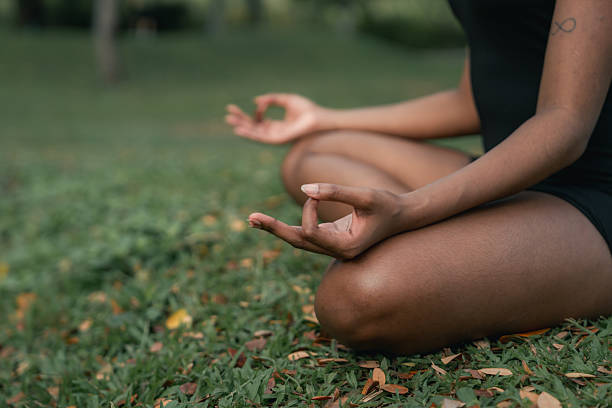
A New Culture of Health and Aspiration
Walk the streets of Nairobi, Lagos, Kigali, or Accra, and you get the sense that something's new. Politics isn't taking up all the headlines this time—it's people with sneakers on, yoga mats tucked under their arms, tracking every step on a phone. As Africa’s middle class grows, so does this obsession with fitness and feeling good. Gyms have mushroomed in places where they never existed before. In one night, weekend breaks go hand in hand with commercials for breaks in wellness, and Instagram is filled with #FitFamAfrica and #WellnessGoals.
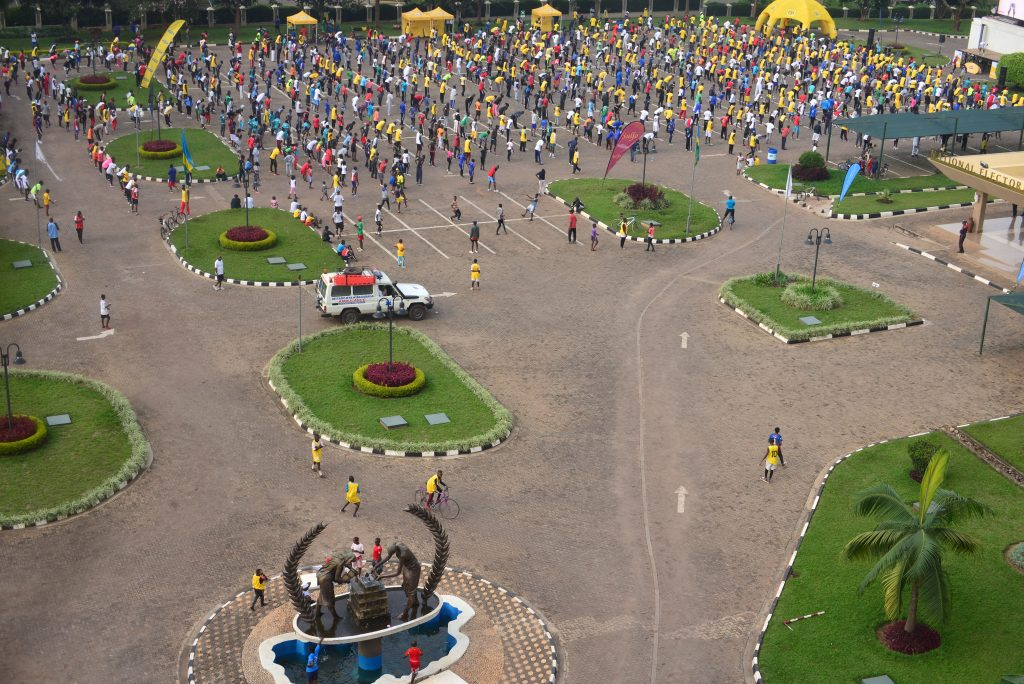
But this is not just about chasing six-packs or losing a little weight. For a lot of young professionals, fitness means something bigger. It’s a badge—proof that you’ve got discipline, you’re aiming high, and you actually take care of yourself in cities that never slow down. In Lagos, having a gym membership is almost as important as owning a car or the latest phone. Over in Nairobi, Karura Forest fills up with joggers wearing branded gear, and in Kigali, people take over the streets every Saturday for “Car-Free Day,” turning the city into a giant outdoor gym.
Yes, human beings are healthier-conscious today, but there is more to the story. Africa's middle class, always leading the curve with global trends and connected to the world's digital society, is appropriating bits of Western wellness culture and integrating them into their existence. Baobab is blended by smoothie bars in their drinks; yoga teachers feature African proverbs; and fitness bloggers talk as much hustle as health.
What started as a local fad in the cities is now lifting off. Chains of gyms are opening new branches across Ghana, Senegal, and South Africa, and now the bigger international chains are starting to sit up and take notice. But under all those gaudy Instagram images and motivational quotes, something is really happening. Africa's social landscape is shifting—one rep at a time.
Wellness is no longer a byword in Africa—it's going big time. Increasing numbers of entrepreneurs are jumping into the market, selling everything from exercise sessions to diets to lifestyle guidance, all tailored to local tastes. Nairobi, for example. Fit4Life Studios is not your average gym; they merge rigorous exercise with Afrobeat dance, and clients are going wild. Down in Johannesburg, luxury fitness clubs pitch themselves as the go-to spot for professionals who want to network while they break a sweat. Then you’ve got all these health-focused restaurants popping up, dishing out plant-based meals with fresh, local ingredients. They know what people want.
Social media? It’s a game changer. Fitness influencers—most of them just regular folks who started sharing their stories—now have huge followings. In Nigeria, Kemen Fitness and Jane Michael stand out. They turned their Instagram into real businesses, partnering with nutrition firms and running fitness boot camps. People can connect with them because they are human. They all experience the same daily struggle: congestion, stress, constant battles against street food cravings.
But not everyone’s sold on the whole wellness wave. Some say it’s starting to look more like a status symbol than a real movement for better health. Let’s face it, not everyone can afford the fancy gym memberships, organic food, or designer workout gear. That just makes the haves and have-nots divide all the wider. And then there's the social media element—unending streams of perfect bodies and picture-perfect existences can make anyone feel like they're not measuring up.
Whatever, it's out there in the conversation, and that is something. Health used to be a topic for hospital waiting rooms or government ads. Now, it’s on TikTok, in WhatsApp groups, and at the dinner table. Wellness has become a kind of social currency, a new way for Africa’s middle class to feel empowered and connected.
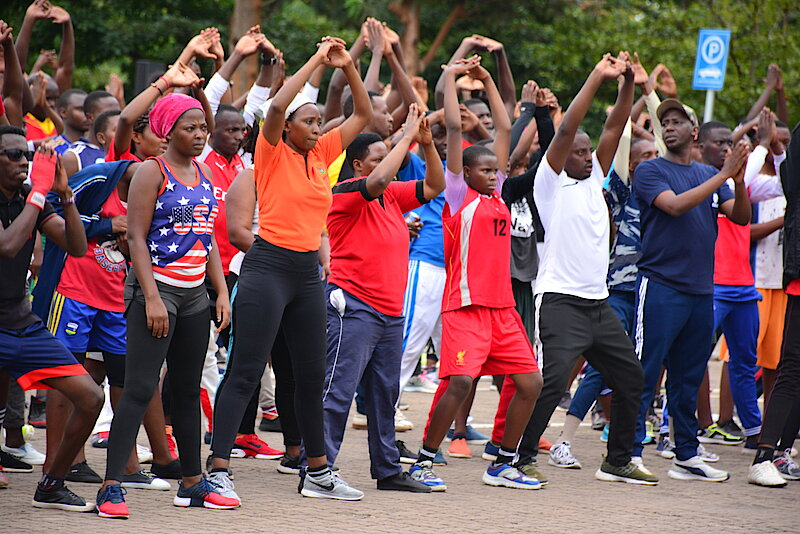
Africa's wellness revolution is taking off fast, and honestly, it really just hinges on how much it stays honest to indigenous living and makes itself open and sustainable. You can feel it in the atmosphere. In Ghana and Tanzania, gyms no longer restrict themselves to treadmills and weights. They mix in drumming, traditional dance, even storytelling. Suddenly, exercising is more of a celebration, something that connects you to home and ancestry. In Nairobi and Cape Town, yoga instructors substitute the ancient Sanskrit with Swahili or isiZulu. It might not seem like a lot, but it roots mindfulness in the language that folks really speak on a daily basis. All these shifts point to something bigger—a craving for wellness that’s real, familiar, and deeply African.
And well-being isn't all about pushups or salads. Folks are finally talking about mental and emotional health more freely. Those subjects were taboo, verboten for so long. That’s changing. Now you’ll find podcasts, Instagram pages, youth groups—spaces where folks talk honestly about anxiety, burnout, self-care, sometimes right alongside prayer or fitness tips. In Lagos and Kampala, events like “Sip and Talk” or “Mindful Sundays” bring people together to share stories, heal, and support each other. They blend spirituality, psychology, and friendship. Wellness isn’t just some trend from overseas anymore. People are shaping it for themselves, with the wisdom already around them.
Even companies are catching on. In Accra, Johannesburg, and Kigali, companies are offering wellness perks for employees—at-work gyms, mental health days, even virtual check-ins. The pandemic made it inevitable. If you want people to do great work, you have to care about how they're actually doing. As more jobs shift to offices and tech, this balance between work and well-being is going to define what middle-class life looks like across Africa.
But there’s a hitch. Wellness is turning into a business—fancy gyms, expensive supplements, influencers everywhere you look. That leaves a lot of people out. True wellness can’t just be for those with cash to burn. Community gyms, grassroots fitness groups, outdoor workouts—they keep things open and make sure anyone who wants to move, can.
Then there’s this other thing happening. More people are turning back to old-school, indigenous wellness. Herbal teas with moringa or hibiscus, meditation grounded in African spirituality, community healing rituals—urban youth especially are picking these up, looking for something better than fast food and constant stress. It's not nostalgia. It's not so much about discovering a kind of wellness that works for who they are. It's a subdued form of implication that wellness doesn't have to be labeled in a Western way.
Governments and nongovernmental organizations are starting to pay attention. Cities like Kigali, Addis Ababa, and Nairobi are building more bike lanes, sidewalks, and parks. Public health programs combine ancient tradition with modern technology, encouraging citizens to get some exercise, be healthier eaters, and talk openly about mental illness.
Really, this movement is about more than trends or appearances. It’s about claiming well-being, African style. Because, as one Kenyan coach put it, "Wellness isn't how we look; it's how we live together." It's really about community as much as it is about individuals. It's about combining new hopes with old wisdom, finding real strength—not just in muscles, but in belonging.