Lagos Recorded More New HIV Infections Than Any Other States in 2025. Why Is the Gap So Wide?
Lagos recorded 10,430 new HIV infections in 2025, the highest in Nigeria. Read about the full state-by-state breakdown and what health officials are saying.
Nigeria logged 102,025 new HIV infections in 2025, and Lagos State carried the largest single share of that number with 10,430 new cases, according to the Federal Ministry of Health and Social Welfare's State of the Health of the Nation Report 2025.
The figure places Lagos well ahead of every other state in the country, a position that says as much about the city's population density and mobility as it does about the state of HIV prevention efforts there.
The report lands at an uncomfortable point in Nigeria's HIV response. The country has spent more than two decades expanding access to testing and treatment, building one of the largest HIV programmes anywhere in the world.
New infections at this scale, in a single year, suggest that expanded access alone has not been enough to break the chain of transmission.
Where the New Cases Are Concentrated
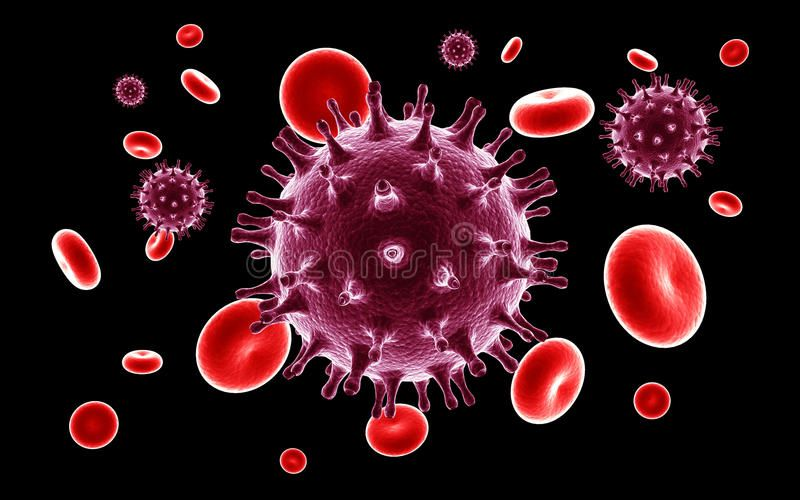
After Lagos, Rivers State recorded the second-highest number of new infections at 6,287, followed closely by Kano at 6,106. Akwa Ibom logged 5,413 new cases, and Taraba and Benue followed with 4,854 and 4,804 respectively.
Anambra recorded 4,468, Kaduna 3,659, and Adamawa 2,989, rounding out the states carrying the heaviest burden in 2025.
The pattern across these states does not map onto a single explanation. Lagos and Rivers are dense, highly mobile commercial hubs with large populations of internal migrants, conditions that tend to elevate transmission risk regardless of how strong local health infrastructure is.
Kano, Taraba, Benue, and Adamawa sit in regions where the interplay of conflict displacement, weaker rural health access, and cultural barriers to testing has historically complicated HIV response efforts.
The Federal Capital Territory recorded 2,764 new cases, a notable figure given its smaller geographic footprint compared to most states on the list.
At the other end of the report, Ekiti recorded the fewest new infections in the country at 462, less than a twentieth of what Lagos logged.
Bayelsa followed at 982, then Gombe at 1,083 and Osun at 1,093. Kwara, Enugu, Yobe, Katsina, and Kebbi rounded out the lowest-burden states, each recording under 1,600 new cases for the year.
The gap between Lagos's 10,430 and Ekiti's 462 illustrates just how unevenly HIV transmission is distributed across the country, shaped heavily by population size, urban density, and the reach of local prevention programmes.
A Treatment Infrastructure Built Over Decades, Still Outpaced by New Cases
Nigeria's HIV programme is not a recent or improvised effort. The country provides free HIV testing, antiretroviral therapy, prevention of mother-to-child transmission services, and pre-exposure prophylaxis, commonly known as PrEP, through health facilities spread across all 36 states and the FCT.
That infrastructure represents one of the largest public health commitments in the country's history, built up over years of domestic funding alongside international partnerships.
Despite that scale, the 2025 numbers point to a persistent gap between treatment capacity and prevention outcomes. Nigeria has committed to the global 95-95-95 targets, an international framework aiming to ensure that by 2030, 95 percent of people living with HIV know their status, 95 percent of those diagnosed are on sustained treatment, and 95 percent of people on treatment achieve viral suppression.
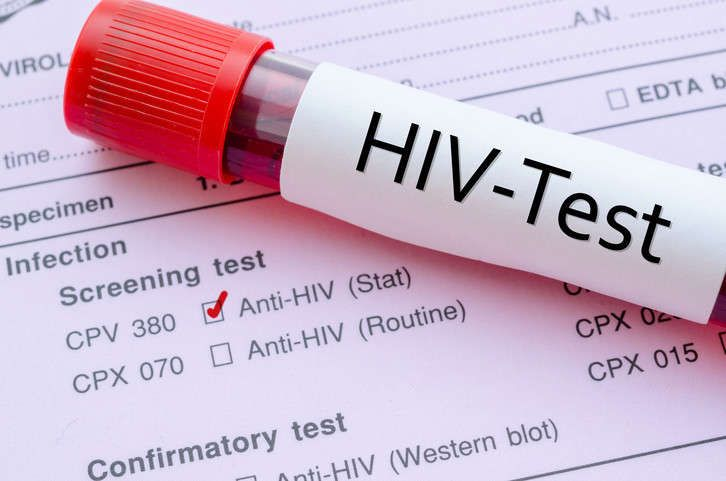
Hitting those targets depends on closing the front end of the pipeline, getting people tested and aware of their status, which is precisely where Nigeria continues to lose ground against new infections.
Health authorities point to specific populations driving a disproportionate share of new cases. Adolescents, young people, and pregnant women continue to account for a significant portion of the 102,025 infections recorded in 2025, groups that face distinct barriers to testing and consistent treatment, whether through stigma, limited access to youth-focused health services, or gaps in maternal health programming in regions with weaker facility coverage.
What Global and National Health Bodies Are Saying
UNAIDS Executive Director Winnie Byanyima has urged governments to sustain investment in HIV prevention and treatment, warning that the global epidemic remains far from over despite decades of progress.
That warning carries particular weight for Nigeria, which operates one of the largest HIV treatment programmes in the world and has historically relied on a mix of domestic funding and international donor support to keep it running.

Inside Nigeria, the National Agency for the Control of AIDS has called for increased domestic funding and stronger community-based interventions to maintain the country's progress. That call reflects a broader shift in how Nigeria's HIV response needs to evolve.
International donor funding for HIV programmes across Africa has faced pressure in recent years, and a programme of Nigeria's scale cannot rely indefinitely on external support to cover testing, treatment, and prevention services for a population this large.
NACA's emphasis on community-based interventions also points to where the next phase of prevention work likely needs to happen, closer to where new infections are actually occurring, rather than concentrated in centralised health facilities that may not reach adolescents, displaced populations, or rural communities with the same consistency.
The Gap Between Access and Outcomes
The 2025 report makes one thing difficult to avoid: having treatment infrastructure in place is not the same as preventing new infections. Lagos, with arguably the most developed health infrastructure of any state in the country, still recorded the highest number of new cases nationwide.
That outcome suggests transmission risk in dense urban environments is outpacing even well-resourced prevention systems, while in states like Taraba and Benue, weaker infrastructure compounds an already difficult transmission environment shaped by displacement and limited rural access.
Closing that gap will likely require a different kind of investment than what has driven Nigeria's HIV response so far. Decades of expanding testing and treatment access has built real capacity.
What the 2025 numbers suggest is now needed is a parallel investment in prevention that meets people where transmission is actually happening, in dense urban migration corridors, in displacement-affected northern states, and among adolescents and pregnant women who continue to make up a disproportionate share of new infections year after year.