The F. Scott Fitzgerald Novel Readers Rejected
Discover the poignant life and literary journey of F. Scott Fitzgerald, an American literary giant who struggled for recognition and financial stability during his lifetime. This article delves into his early life, his meteoric rise to fame with classics like <i>The Great Gatsby</i>, and the tragic irony of his magnum opus, <i>Tender Is the Night</i>, which only achieved its deserved acclaim posthumously.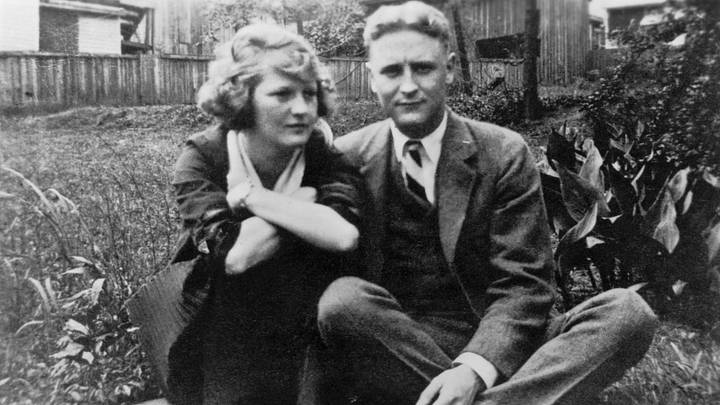
F. Scott Fitzgerald had already written The Great Gatsby when he began work on the novel he believed could become his masterpiece. It took him nearly a decade to finish, and when Tender Is the Night finally arrived in 1934, the response was far less enthusiastic than he had hoped.
Fitzgerald had expected otherwise. In a 1933 conversation with a friend, he reportedly insisted that the novel was “good, good, good” and predicted that readers would agree once it was published. In another inscription, written in a copy for a friend, he urged: “If you liked The Great Gatsby, for God's sake read this.”
They did not respond as he expected.
The writer behind the novel
Born in Saint Paul, Minnesota, in 1896, Fitzgerald came from a middle-class family. He attended Princeton but left without graduating and later served in the US Army during the First World War.
His literary breakthrough came in 1920 with This Side of Paradise. The novel became an immediate success and established Fitzgerald as one of the defining writers of the Jazz Age. He married Zelda Sayre that same year.
He followed it with The Beautiful and Damned in 1922 and The Great Gatsby in 1925.
By then, Fitzgerald was famous. But the years that followed were much harder.
His marriage was troubled by Zelda's deteriorating mental health, while Fitzgerald struggled with alcoholism. His financial situation also worsened as his literary reputation began to fade.

Nine years to finish Tender Is the Night
Fitzgerald started developing Tender Is the Night in the 1920s, but the novel went through repeated revisions as his personal circumstances changed.
The story follows Dick Diver, an American psychiatrist living among wealthy expatriates in Europe, and his wife Nicole. Beneath their glamorous lifestyle, however, lies a complicated relationship shaped by mental illness, wealth and emotional dependence.
Those themes made the book considerably darker than the youthful image associated with Fitzgerald's earlier work.
When it was published in 1934, the reaction was disappointing. Sales were modest, and contemporary critics did not give it the same reception that The Great Gatsby had eventually earned.
For Fitzgerald, the disappointment came at a particularly difficult point in his life.
His reputation changed after his death
Fitzgerald died in 1940 at the age of 44, believing himself to be largely forgotten.
His reputation did not stay there.
The Great Gatsby gradually became one of the most widely read American novels, while Tender Is the Night received renewed critical attention. Later readers began to see more in the novel than its original reception had suggested, particularly its treatment of wealth, psychological vulnerability, marriage and the collapse of an idealised life.
That makes Tender Is the Night an unusual chapter in Fitzgerald's career.
The writer who became permanently associated with The Great Gatsby had considered another novel his finest work. His contemporaries largely disagreed. It took decades of reassessment for readers and critics to take a closer look at the book Fitzgerald had spent years trying to perfect.
His career therefore left behind an uncomfortable literary irony: the novel he most wanted readers to recognise was not the one that made his name immortal.