Ex-President's Burial Ignites Political Storm: Zambia Issues SA Travel Warning Amidst Controversy!
The burial of former Zambian President Edgar Lungu in South Africa has ignited national debate, marking the first time a former Zambian head of state will be laid to rest abroad. This decision follows a legal dispute and comes amidst calls for a dignified state burial in Zambia, as well as a government advisory to Zambians in South Africa regarding safety during the sensitive period.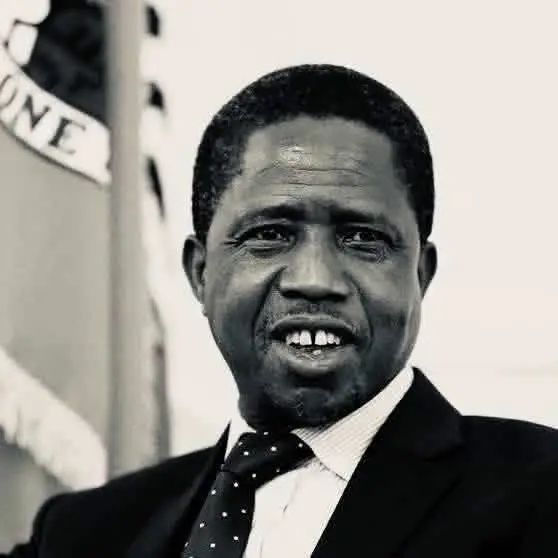
Throughout the world, nations preserve the graves of their leaders as profound symbols of national identity, continuity, and remembrance. The burial of a Republican President carries significant national implications, and for the sake of posterity, accessibility, and national pride, the final resting place of a Head of State is ideally situated on the soil of the country they served. Burying a Republican President in a foreign land presents numerous disadvantages that can undermine these national values.
Such a decision makes memorial services and anniversary commemorations costly and difficult to organize. Millions of ordinary citizens are denied convenient access to pay their respects to a leader who once served the nation. Zambia, for instance, would lose a significant national monument that could otherwise inspire patriotism and national unity. Schools, researchers, and future generations would be deprived of an important site for civic and historical education. Furthermore, the economic and tourism benefits associated with such a landmark are transferred to another country, and the nation loses direct control over the preservation and maintenance of the burial site. National events honoring the former President become dependent on the laws and goodwill of a foreign state, and in times of diplomatic disagreements or unforeseen circumstances, access to the grave may become complicated.
Moreover, a foreign burial place cannot readily serve as a focal point for national reflection, mourning, and reconciliation. Such a decision may leave many citizens with a sense that an important chapter of the nation’s history has been physically detached from the country itself. Future generations may find it difficult to develop a tangible connection with the legacy of the departed leader, reinforcing the idea that a Head of State belongs not only to their family but also to the history of the Republic, and their final resting place should ideally remain among the people and the land they governed.
In a related development, the impending burial of former Zambian president Edgar Lungu in South Africa has sparked considerable debate and controversy. Speaking in Bemba during a community engagement meeting in Mapalo Ward on Monday, Tayali criticized the continued use of Lungu’s image alongside campaign material, describing it as inappropriate and contrary to African and Christian values. Tayali reflected on Zambia's historical practice of mourning and burying its former leaders, including founding president Kenneth Kaunda, second republican president Frederick Chiluba, former president Levy Mwanawasa, and former president Michael Sata, noting that in each case, the country united in mourning before proceeding with burial arrangements.
Tayali argued that although Zambians had mourned former president Lungu following his death, his burial had not yet taken place, a situation he deemed unfortunate. He accused individuals aligned with certain political camps, such as Mundubile and Zulu, of keeping Lungu’s legacy tied to political campaigns instead of focusing on ensuring he receives a dignified burial. “These gentlemen have left their friend in the fridge and are using his picture alongside theirs, believing Zambians will feel pity for them. That is not how sympathy is earned. When a person dies, they should be laid to rest,” Tayali stated, asserting that the actions of those seeking to succeed Lungu politically were inconsistent with African traditions and Christian teachings.
Tayali also questioned the reasons behind the delay in burying the former president in Zambia. He emphasized that Edgar Lungu was not an ordinary citizen but a former president who deserved a state burial befitting his status as a former Head of State, including military honours. He questioned whether the presence of President Hakainde Hichilema in office was a factor in the delay, urging Zambians to reject what he termed divisive politics and instead support efforts aimed at ensuring the former president is buried with dignity.
Amidst these discussions, the Ministry of Foreign Affairs and International Cooperation issued an advisory on June 23, anticipating the intensified preparations for the burial of former president Edgar Lungu in South Africa. This follows the conclusion of a legal dispute between the Zambian government and the Lungu family over his final resting place. The notice confirmed that Lungu will become the first former Zambian president to be buried outside the country, a decision that has generated high political emotions.
The advisory was prompted by “the ongoing attacks on foreign nationals in the Republic of South Africa” as well as a June 30 deadline affecting certain foreign nationals without immigration documentation. Zambian authorities urged their citizens in South Africa to remain alert and observe a number of precautionary measures, including registering with the Zambia High Commission in Pretoria. This registration, the advisory stated, would enable the High Commission to maintain an up-to-date database of Zambian nationals, facilitate communication during emergencies, and provide timely consular information, travel advisories, and other important updates.
Furthermore, citizens were advised to carry valid identification documents at all times, avoid crowded areas, demonstrations, and locations showing signs of unrest, use reputable transport services, and remain informed about local developments and security risks. The ministry also urged Zambians to immediately report suspicious activity or criminal incidents to local law enforcement authorities. While the government did not directly link the advisory to the funeral, its timing is particularly notable given that many supporters of the late president Edgar Lungu had expressed intentions of traveling to South Africa for the burial proceedings. The government, through the Ministry of Foreign Affairs and International Cooperation and the Zambia High Commission, re-affirmed its commitment to the protection and welfare of all Zambian citizens living abroad, encouraging them to prioritize personal safety, maintain regular contact with relatives, and keep emergency numbers readily available.