EU-Mercosur Trade Deal Sparks Farmer Protests Amid Agricultural and Policy Tensions
EU-Mercosur trade deal faces strong opposition from farmers and member states over agricultural standards, while Brussels prepares new regulations on online shopping and consumer costs.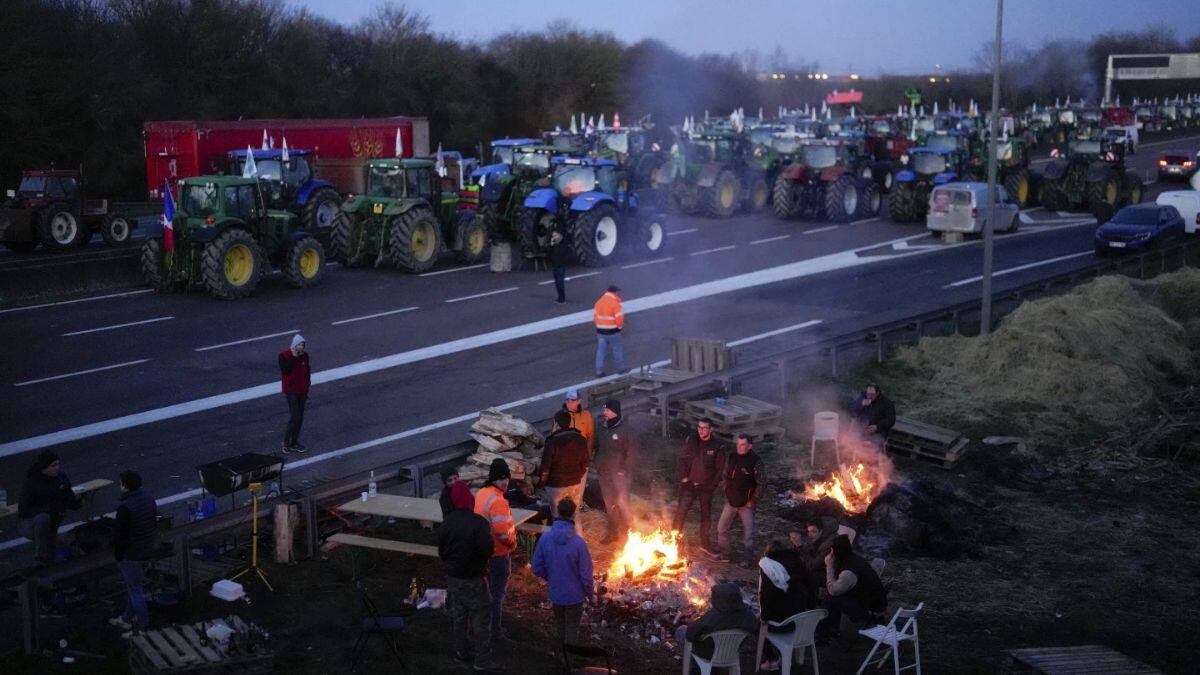
Europe’s agenda is packed this week, from ongoing peace efforts in Ukraine to a contentious trade agreement with South America and new regulations for online shoppers. Euronews’ daily show, Europe Today, broadcast live from Brussels, provides in-depth analysis of these developments, featuring chief anchor Méabh Mc Mahon and EU editor Maria Tadeo.
In Berlin, European leaders reported “significant progress” on resolving the war in Ukraine,” while emphasizing that “nothing is agreed until everything is agreed.” Meetings between American envoys and EU officials suggest Europeans are prepared to lead a peacekeeping force. Euronews correspondents Sasha Vakulina and Laura Fleischmann are covering the latest updates and political dynamics behind these talks.
Meanwhile, the European Parliament convenes in Strasbourg for its final plenary of the year, with a potential showdown over the EU’s trade deal with Mercosur. Signed in 2024 between the European Commission and the South American bloc—Argentina, Brazil, Paraguay, and Uruguay—the pact aims to establish a transatlantic free trade zone. However, it faces sharp divisions, particularly over agriculture.
The dispute centers on contrasting agricultural standards. French farmers are grappling with a lumpy skin disease outbreak, requiring culling of herds to meet EU health standards. They criticize the Mercosur deal for allowing cheaper South American beef, often produced using pesticides and antibiotics banned in the EU. Farmers argue this constitutes “double standards,” raising questions about fairness and sustainability.
A major protest is planned in Brussels this Thursday, coinciding with an EU summit, with over 5,000 farmers expected to participate. Austrian ecological farmer and MEP Thomas Waitz of The Greens criticized the European Commission’s proposed 20% cut to the Common Agricultural Policy (CAP) funding for 2028–2034—effectively 40% when accounting for inflation—saying it would “sacrifice the farmers just for the profit of a few national companies or European industry.” He highlighted that while large agribusinesses stand to gain, small and medium-sized farmers would bear the brunt.
Lawmakers are expected to vote on a reciprocity clause, requiring Mercosur imports to meet European standards. Rejecting the clause risks a revolt in rural Europe, while approving it may prompt South America to withdraw. A safeguard clause to monitor market disruptions is also set for a vote. EU member states will formalize their positions in the Council, and Commission President Ursula von der Leyen may travel to Foz do Iguaçu on the Argentina–Paraguay border to sign the deal. Full ratification requires a qualified majority of the 27 EU countries.
Opposition is mounting in France, Hungary, Poland, Austria, and Italy, while Ireland and the Netherlands have yet to clarify their stance. Waitz warned that losing small farmers could mean “losing rural areas and the ability to supply our population independently with food.”
In addition to trade tensions, European consumers face a new levy on online purchases next summer. The measure aims to curb cheap Chinese e-commerce shipments and will directly impact shoppers’ costs. Euronews correspondent Aida Sanchez will report on the specifics of this upcoming regulation.