Electoral Showdown: Nigerians Demand Real-Time Electronic Transmission Amidst Senate Scrutiny
Nigeria is grappling with a heated debate over electronic transmission of election results and recent amendments to its Electoral Act. While civil society demands full e-transmission for transparency, legislative decisions include a proviso allowing manual collation if technology fails, sparking controversy amidst Nigeria's ongoing infrastructural challenges.
Nigeria is currently witnessing a heated national debate over electoral reforms, especially the electronic transmission (e-transmission) of election results, as citizens demand greater transparency and credibility in elections ahead of the 2027 general polls.
Thousands of Nigerians, including civil society groups under the Nigeria Civil Society Situation Room, youth organizations, and women’s groups, staged protests on February 9, 2026, marching to the National Assembly to demand urgent reforms.
Their main demand is the full electronic transmission of polling unit results directly to the Independent National Electoral Commission (INEC)’s Result Viewing (IReV) portal, which they believe will reduce manipulation and restore public trust.
Many Nigerians argue that the lack of mandatory real-time transmission during the 2023 general elections contributed to disputes, legal battles, and widespread mistrust of election outcomes.
Despite these demands, the Senate’s Electoral Act (Amendment) Bill 2026 introduced a controversial provision.
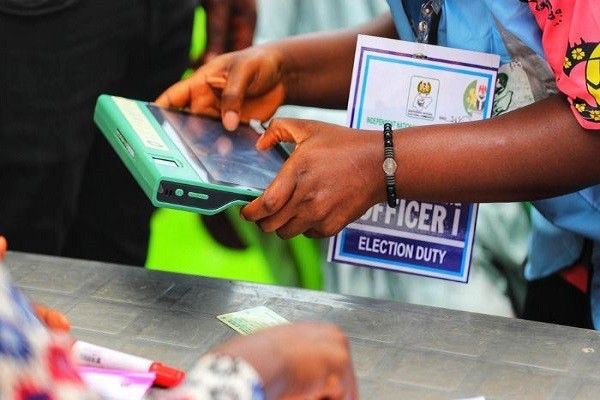
While it mandates electronic transmission, it also allows manual result forms (Form EC8A) to serve as the primary source of collation if electronic transmission fails due to network or communication issues.
Critics describe this clause as a major loophole that could enable manipulation, warning that it undermines the purpose of digital transparency.
However, supporters of the provision argue that it reflects Nigeria’s infrastructural realities, including unreliable electricity and weak internet connectivity in rural areas.
Lawmakers such as Senator Adeniyi Adegbonmire explained that the IReV portal is designed to publish results that have already been manually counted, not to conduct electronic voting.
This means Nigeria still relies on manual voting, with technology mainly used to upload and display results for transparency.
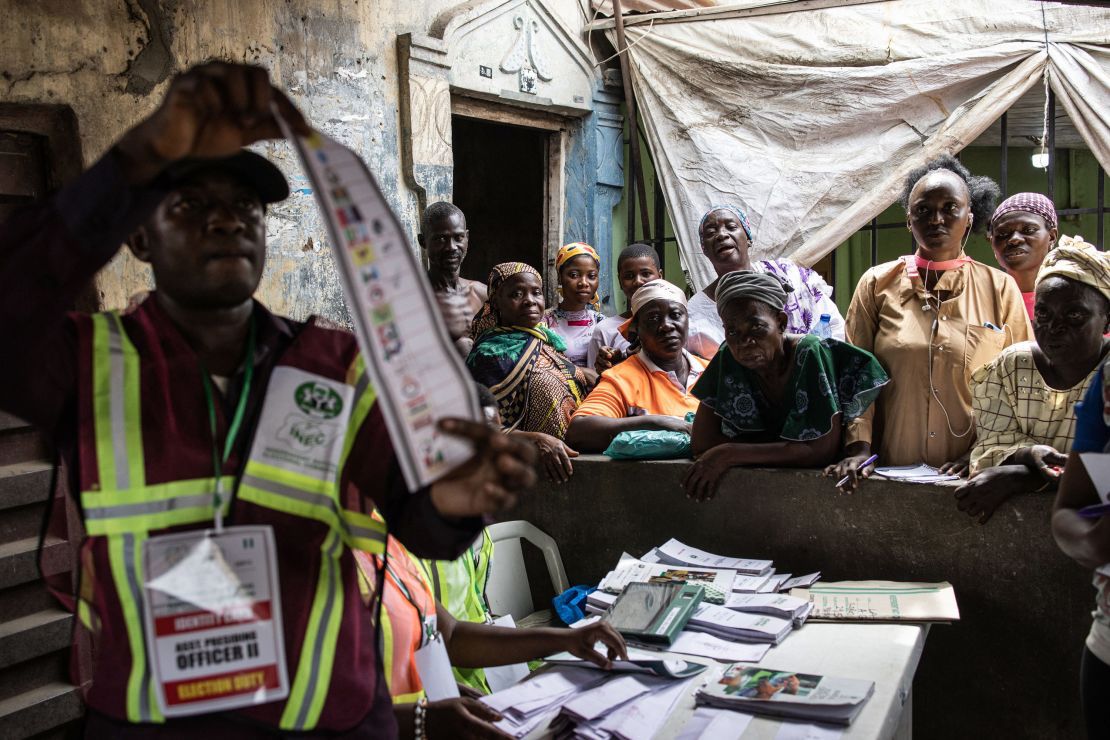
INEC’s IReV portal plays an important role in improving transparency by allowing instant publication of polling unit results, public access for verification, timestamped digital records, and integration with the BVAS accreditation system.
These features help citizens, observers, and political parties monitor election results in real time and detect irregularities.
Beyond e-transmission, stakeholders are also concerned about other proposed electoral changes, including reducing the election notice period, adjusting candidate submission deadlines, and rejecting downloadable voter cards.
Experts warn that the multi-layered collation process—from polling units to ward, local government, and state levels—remains vulnerable to interference.
Some have proposed eliminating certain collation levels and introducing real-time digital display systems at collation centers to improve transparency and reduce disputes.
Ultimately, many analysts agree that while electronic transmission is crucial, true electoral reform requires stronger infrastructure, including reliable electricity, stable internet access, and secure digital systems.
Without these foundations, technology alone cannot guarantee transparent elections.
The debate highlights a broader national concern: Nigerians are increasingly demanding credible, transparent, and trustworthy elections, making electoral reform one of the most critical political issues shaping the country’s democratic future.