Electoral Reform Battle Heats Up: Senate Accused of 'Coup Against Democracy' Over Election Results Transmission
The Nigerian Senate's amendment to the Electoral Act, mandating electronic transmission of results with a controversial manual fallback, has ignited a national debate. While proponents defend the move as a historic step, critics warn that the proviso for network failures creates dangerous loopholes for manipulation, emphasizing the demand for unconditional real-time transmission.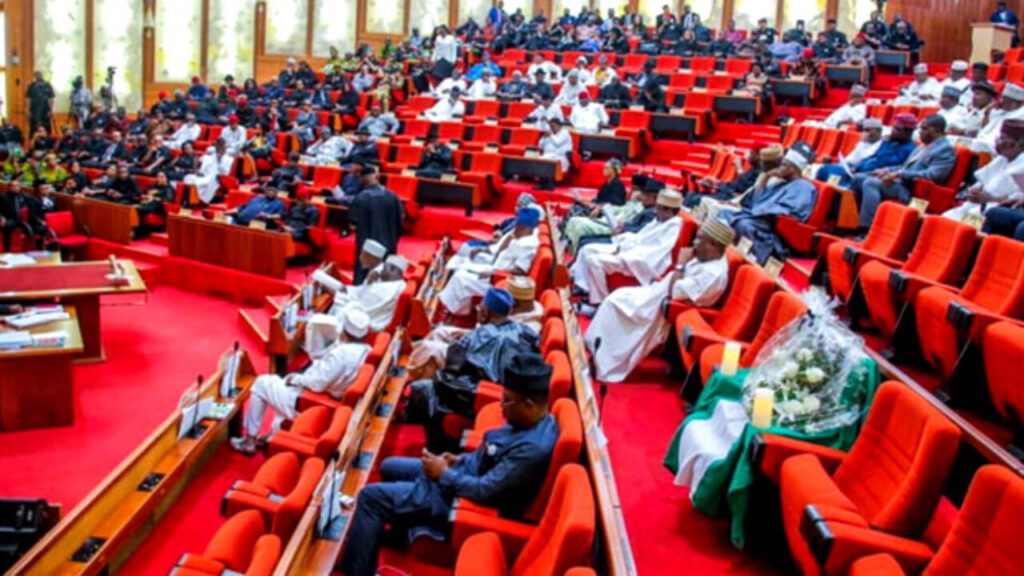
The Nigerian Senate's recent amendment to the Electoral Act, specifically Section 60(3), concerning the electronic transmission of election results to the Independent National Electoral Commission (INEC) Result Viewing (iREV) portal, has ignited a significant national debate.
While the Senate has now mandated electronic transmission, a contentious proviso allowing manual collation in cases of claimed network failure and the omission of an explicit 'real-time' transmission requirement have drawn widespread criticism from various quarters.
Senator Onyekachi Nwaebonyi, representing Ebonyi North Senatorial District, has defended the Senate's action, stating that the insertion of 'electronic transmission' and the use of the word 'shall' in the amended Section 60(3) makes it mandatory for presiding officers to transmit results.
He described this as a historic intervention by the 10th Senate, emphasizing that it empowers courts to recognize iREV results and removes discretion from electoral officers regarding network availability. Nwaebonyi clarified that if transmission fails at the moment, the system will record the attempt, and the presiding officer should not cancel the result.
The result on Form EC8A should be announced and transferred, expecting the iREV result to drop later. He added that the use of BVAS during accreditation helps checkmate fraud, ensuring that accredited voter numbers tally with votes cast.
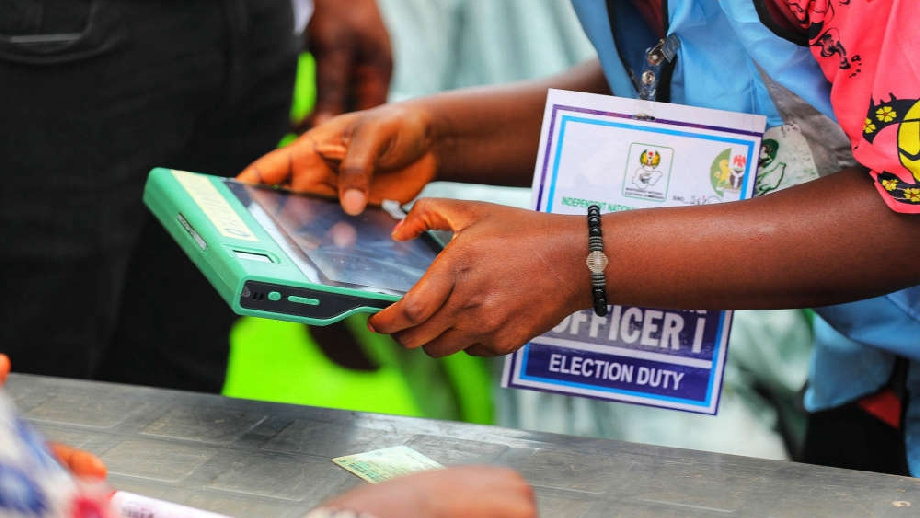
Senator Seriake Dickson, a member of the Senate Committee on Electoral Matters, echoed Nwaebonyi's sentiments, insisting that the Senate's decision guarantees mandatory electronic transmission and should not be seen as a setback for democracy. Speaking in his personal capacity, Dickson explained that deliberations on electronic transmission spanned nearly two years with extensive consultations, including with INEC.
He contended that the term 'real-time' is superfluous in the Nigerian context, as voting is not electronic, and the essence of transparency lies in protecting polling unit results before collation. While acknowledging reservations about the proviso for network failure, he stated that parliamentary work operates on the basis of the majority, though he would personally support the House of Representatives' version if part of a conference committee.
Dickson asserted that INEC has the capacity to transmit results nationwide, comparing it to the ability to make calls or transfer money electronically.
Conversely, civil society organizations and opposition parties have vehemently rejected the Senate's amendment, particularly the manual collation fallback. The Movement for Credible Elections (MCE), alongside other civil society and labour leaders, warned that the proviso is dangerous, as claims of 'network failure' are easy to make, difficult to verify, and have historically been used to justify result substitution and irregularities.
They cited the 'technical glitch' of the 2023 elections as a painful reminder, arguing that manual collation remains the most compromised stage. Former Minister of Education, Oby Ezekwesili, condemned the Senate's action as a 'coup against democracy,' demanding unconditional real-time electronic transmission as initially passed by the House of Representatives.
She asserted that the Senate's proviso is a 'grave danger' that undermines transparency and preserves avenues for election rigging. Similarly, the African Democratic Congress (ADC) demanded the removal of these 'discretionary' clauses, warning that any ambiguity or loophole fundamentally erodes public trust in the electoral system.
Lanre Arogundade, Executive Director of the International Press Centre, urged the Senate to adopt the House of Representatives’ version of the bill to safeguard transparency. He viewed the Senate's compromise of approving electronic transmission with a manual fallback as a 'mixed outcome,' emphasizing that legal backing for e-transmission is crucial to strengthen electoral credibility and provide dual verification channels.
Arogundade stressed that it would be wrong to anticipate failure in the law, especially after the 2023 elections demonstrated that IREV transmission had no problems in most elections.

Special Adviser to the President on Media and Public Communications, Sunday Dare, stated that President Bola Ahmed Tinubu would make a measured decision on electronic transmission, guided by Nigeria’s prevailing realities, while questioning the feasibility of 100 percent real-time transmission across the entire country due to existing network infrastructure.
Ultimately, the Senate, after an emergency session and public outcry, reversed its earlier stance, passing electronic transmission but remaining silent on the 'real-time' aspect and including the proviso for manual collation in cases of network failure.
While proponents like Senator Dickson see this as incremental progress towards a more transparent democracy, critics call for greater legislative alignment with public demands for unconditional, real-time electronic transmission to solidify trust in Nigeria’s electoral process ahead of the 2027 general elections.