Electoral Showdown: Nigerians Demand Real-Time Electronic Transmission Amidst Senate Scrutiny

Nigeria's political landscape is currently dominated by an intense national debate surrounding comprehensive electoral reforms, particularly the electronic transmission of election results. This discourse is fueled by widespread public demand for transparency and accountability in the democratic process, juxtaposed with the legislative decisions that have sparked considerable controversy.
Thousands of Nigerian citizens, under the banner of the Nigeria Civil Society Situation Room and in collaboration with Motion for the Transformation of Nigeria (MOTION), along with various youth and women's movements, have actively engaged in protests to demand urgent reforms. On February 9, 2026, a significant march to the National Assembly underscored public impatience with opaque systems of result collation and transmission. These groups advocate strongly for the adoption of real electronic transmission (e-transmission) of results directly to the Independent National Electoral Commission's (INEC) Result Viewing (IReV) portal. Their concerns stem from historically compromised trust in elections, noting that the absence of mandatory real-time transmission during the 2023 General Elections significantly contributed to disputes, litigation, and public mistrust of outcomes.
Despite these fervent demands, the Senate, in its recent Electoral Act (Amendment) Bill 2026, passed an amendment that includes a controversial proviso. While mandating electronic transmission, it states: “the presiding officer shall electronically transmit the results from each polling unit to the IReV portal… PROVIDED that if the electronic transmission of the result fails as a result of communication failure, the result contained in form EC8A signed by the presiding officer and/or countersigned by the polling agents shall, in such a case, be the primary source of collation and declaration of results.” This exception has drawn sharp criticism, with many, including former Taraba Central Senator Abubakar Yusuf, viewing it as a regressive step that takes Nigeria back to 2022. Critics fear it serves as a 'loophole' for manipulation, undermining the transparency and credibility that e-transmission aims to achieve.
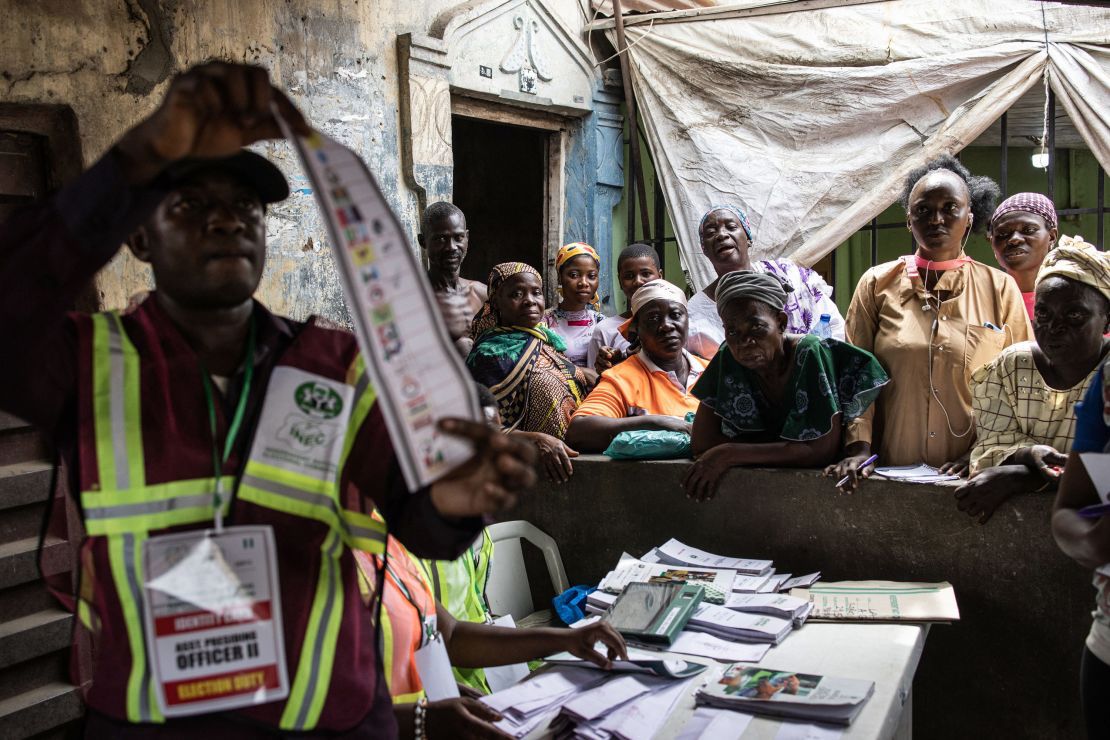
However, proponents of the proviso, such as Belgore and Senator Adeniyi Adegbonmire, chairman of the senate ad hoc panel on the review of the 2026 electoral bill, argue it is a necessary pragmatic concession to Nigeria's current realities. They highlight the nation's infrastructural deficiencies, including unstable electricity and unreliable internet connectivity, particularly in remote areas. Demanding flawless digital transmission across a nation where power grids collapse and fiber optics fear to tread is seen as an unrealistic expectation, embodying the Latin maxim, "Nemo dat quod non habet" (one cannot give what one does not have). Senator Adegbonmire clarified that the IReV portal is not an electronic voting platform but rather software developed by INEC to publicize results that have been manually counted and declared at polling units. He stressed that real-time electronic transmission in its fullest sense can only occur if INEC adopts a comprehensive e-voting system, which Nigeria has not yet done. The current process involves manual vote counting, with only the final figures from Form EC8A being uploaded to the IReV portal.
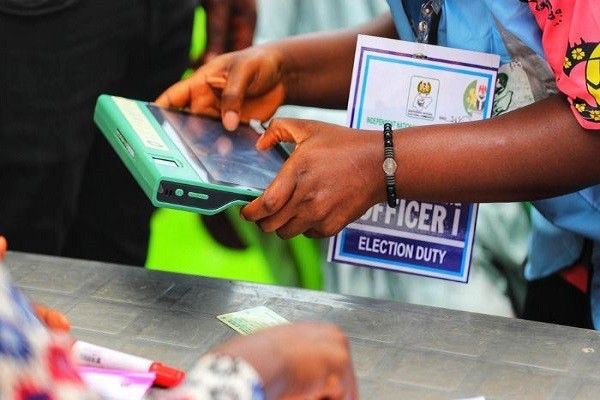
The IReV portal, as intended by INEC, serves several key functionalities to enhance electoral transparency: instant publication of polling unit results allowing officials to scan and upload results directly; public access for citizens, observers, and stakeholders to view results; a verifiable digital archive with timestamped records for audit; and integration with the Bimodal Voter Accreditation System (BVAS) for seamless transmission of accreditation data. These features are designed to build confidence that the will of the people is reflected in official outcomes, even if the primary counting remains manual.
Beyond the debate over e-transmission, a broader and more rigorous examination of the entire results management chain is urgently required, especially with the 2027 general elections on the horizon. Concerns extend to other critical legislative areas, including the proposed reduction of the 360-day Notice of Elections timeline to 180 days, the reduction of the deadline for submission of candidate lists, the rejection of downloadable Permanent Voters Cards (PVCs), and the deletion of provisions for indirect primaries. Crucially, stakeholders point to the vulnerabilities inherent in the multi-layered collation process at ward, local government, and state levels, which have historically been flashpoints for disputes and allegations of tampering. Tochukwu Jimo Obi suggests eliminating ward and local government collation centers, leaving only state collation centers for most elections, thereby minimizing opportunities for interference. Furthermore, state and national collation centers should be technologically equipped with public display screens showing real-time uploads, ensuring simultaneous access to data for all accredited stakeholders and reducing post-election litigation. Strict legal provisions must also protect these centers from undue interference.
Ultimately, the consensus among many is that while technology-driven transmission is critical, focusing solely on it risks overlooking deeper structural weaknesses. For Nigeria to achieve true democratic reform, the focus must shift beyond legislative tweaks to fundamental infrastructural development. Citizens are urged to redirect their energy towards demanding stable power grids, reliable internet connectivity, and robust infrastructure. The call is to build the nation's foundational capacities strong before demanding technological perfection in its electoral processes. Only then, by mastering the basics of steady light and signal in every corner, can Nigeria's democracy truly flourish, ensuring that the cart of electronic perfection is pulled smoothly by a horse worthy of the journey.
You may also like...
Arsenal's Premier League Title Hopes Dented as Lead Shrinks, Rice Urges Resilience
Arsenal's Premier League title hopes faced a setback with a 1-1 draw against Brentford, reducing their lead over Manches...
Berlinale Kicks Off With Hope and Praise for Indie Cinema, Michelle Yeoh Delivers Stirring Speech

The Berlin Film Festival commenced with a spirit of hope amid challenging weather, honoring Michelle Yeoh with the Honor...
AI Faked Tom Cruise vs. Brad Pitt Fight Sparks Outrage From Motion Picture Association

The Motion Picture Association has vehemently condemned ByteDance's new AI video generator, Seedance 2.0, alleging wides...
Tensions Flare: Egypt Deploys Forces to Somalia Over Somaliland Recognition

Egypt has formally committed military forces to the African Union Mission in Somalia (AUSSOM), affirming its support for...
Artist Hallie Ndorley's Surprising Debut as Art Instructor at Toronto Black Film Festival
Liberian-Canadian artist Hallie Andrews Ndorley made a significant debut at the Toronto Black Film Festival, leading an ...
First Drive Review: 2026 Porsche Macan GTS Electric – A Familiar Thrill?

The 2026 Porsche Macan GTS Electric positions itself as the 'level-headed enthusiast special,' slotting between the 4S a...
Honda's Electric Gamble: Billions Lost in EV Strategy Fallout

Honda is grappling with billions in losses from its EV investments, prompting a strategic shift. The automaker plans to ...
Crypto Alarm! Peter Schiff Predicts Bitcoin Plummet Below $10K

Crypto skeptic Peter Schiff predicts a significant Bitcoin plunge to $10,000 and warns investors of further declines, cr...