Egypt Shakes Up Short Selling with Strict New 50% Cash Collateral Limit
Egypt has enacted new short selling rules for its stock exchange, requiring a 50% cash collateral and establishing a 150% initial coverage for borrowed securities. Managed by MCDR, these regulations aim to boost market liquidity, diversify investment tools, and allow investors to profit from declining stock prices, while stringent limits and collateral requirements mitigate risks.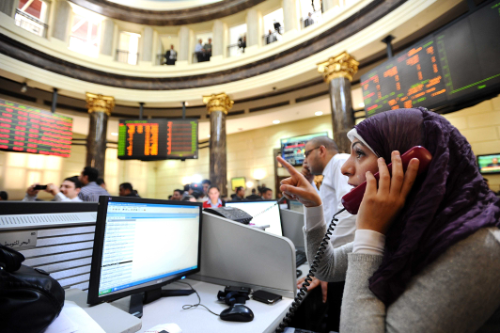
Egypt's Financial Regulatory Authority (FRA) has introduced comprehensive new rules for short selling on the Egyptian Exchange (EGX), a move designed to enhance trading activity and diversify investment tools available in the market. Approved under Resolution No. 155 of 2026, these regulations represent a significant development, allowing investors to capitalize on anticipated price declines in eligible stocks, a mechanism previously largely absent from the market.
A core component of the new framework is the stringent collateral requirement. Investors engaging in short selling must provide cash collateral equivalent to at least 50% of the market value of the securities they borrow. This cash collateral, combined with the full proceeds from the sale of the borrowed shares—which are retained by Misr for Central Clearing, Depository, and Registry (MCDR)—establishes an initial coverage ratio of 150% for the borrowed shares' value. This robust collateral system is intended to mitigate risks associated with short positions, with daily revaluation ensuring that any losses from rising share prices are promptly covered.
Misr for Central Clearing, Depository, and Registry (MCDR) plays a pivotal role in the operationalization of these rules. MCDR is tasked with operating a central lending platform that connects the exchange, brokers, and custodians. Its responsibilities include meticulously recording all transactions, enforcing predefined limits, and conducting daily revaluations of both borrowed shares and the associated collateral. The proceeds from share sales will be strategically invested in fixed-income instruments or other FRA-approved products until the short position is closed, while lenders benefit from lending fees and retain their rights to dividends and other financial entitlements.
To prevent excessive concentration of short positions and maintain market stability, the new rules impose strict limits. Short positions are capped at a maximum of 40% of a company's free-float shares. Furthermore, a single lending arrangement cannot exceed 5% of the free-float, and an individual investor, along with any related parties, is restricted to borrowing no more than 2% of a company's free-float shares. Only securities that meet specific criteria set by the EGX and approved by the FRA will be eligible for short selling.
Brokerage firms wishing to offer short selling services must meet elevated capital requirements, needing at least EGP 5 million in shareholders' equity. If they also provide margin trading services, this requirement increases to EGP 10 million. Additionally, all participating brokers must maintain a net liquid capital ratio of at least 15%. Existing approved firms are granted a one-month grace period from the publication of the rules to implement the necessary systems before the framework becomes fully effective.
The introduction of short selling is a strategic enhancement for the Egyptian stock market, offering investors a crucial tool to profit from bearish market views and providing lenders with an additional revenue stream from their existing holdings. Beyond individual investor benefits, the broader objective for the EGX is to boost market liquidity and improve pricing efficiency, as short sellers can stimulate trading activity and contribute to more balanced price discovery. This reform is part of a larger ongoing initiative by Egypt to modernize its financial markets, following previous advancements in areas such as hedge funds, derivatives, and market makers, ultimately creating a more sophisticated and attractive environment for both local and foreign investors.