Egypt’s Pyramid: The Last Wonder Still Standing
A narrative exploration of Egypt’s Pyramids of Giza—ancient architecture that has stood for over 4,500 years, its meaning in culture and history, and why it remains the only surviving wonder among the Seven Ancient Wonders of the World.
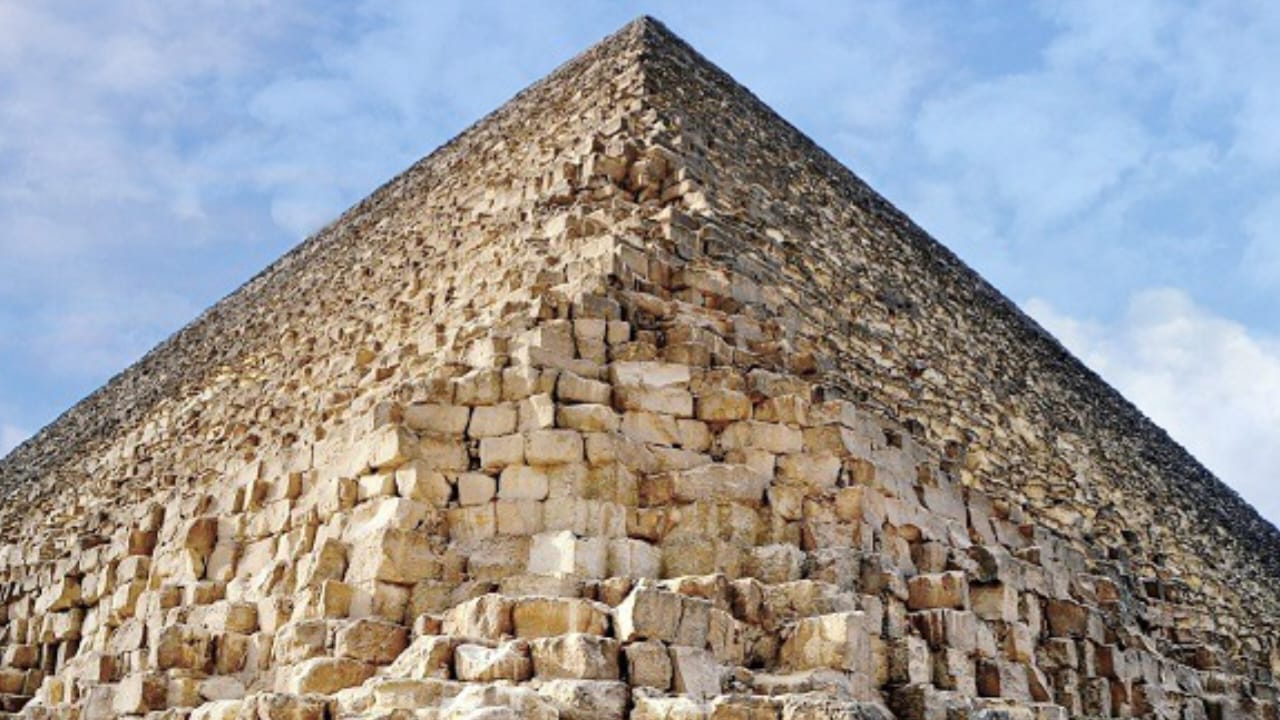
The African continent is a land full of wonders and allow me to say that if you want to behold the beauty of the world and see earth in its raw element—just take a moment and scan through the continent either through travels and research and I bet that you would be marveled by what you see.
From the rugged peaks of the Ethiopian highlands to the ancient rock-hewn churches of Lalibela, Africa carries stories older than recorded history.
But among all these incredible sites, there is one that has stood longer, is still standing, has inspired more awe, and stirred unanswered questions than almost anything else on Earth—the Pyramids of Giza, located on a rocky plateau on the west bank of the Nile in northern Egypt.
To many, the pyramids are just images in history books or postcards of distant lands. But for anyone who has stood at their base, the sheer scale and mystery of these structures are impossible to ignore.
They are not mere stones stacked in geometric precision, they are echoes of ancient human ambition and creativity—in a time when the world was still developing and we did not have the engineering and technological know-how that we do today.
The Pyramids of Giza anchor Africa not just historically but spiritually, reminding us that centuries before globalization and modern states, African civilizations built monuments meant to last for eternity.
The Pyramid: History, Meaning, and Endurance
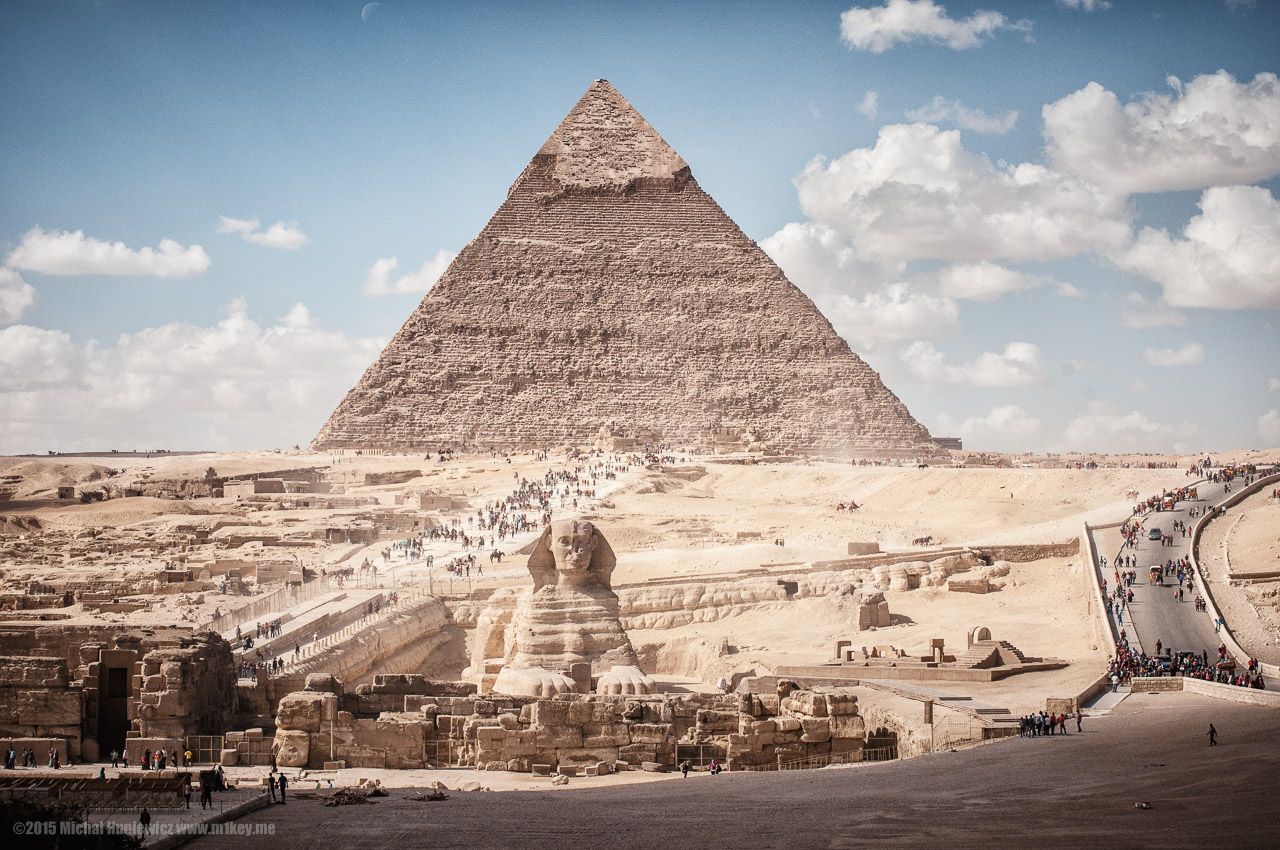
The Pyramid of Giza was way ahead of its time if you ask me, because how did the ancient Egyptian nation erect such wonders that have outlived them, stood strong past centuries and is still standing today as a site of wonder.
Imagine a structure so massive that it defied the time itself that it was erected, that is exactly what the Great Pyramid of Giza represents. Built more than 4,500 years ago during the reign of Pharaoh Khufu around 2560 BCE, the Great Pyramid is about 482 feet (147 meters) tall, a height that made it the tallest man-made structure on Earth for millennia.
Unlike modern skyscrapers, however, the pyramid was not built with steel, glass, or technology beyond imagination. Its construction relied on approximately 2.3 million limestone and granite blocks, some weighing several tons, carefully cut, transported, and assembled with an architectural precision that still baffles engineers and archaeologists up till this day.
Culture
Read Between the Lines of African Society
Your Gateway to Africa's Untold Cultural Narratives.
The Pyramids of Giza—three principal structures built for Khufu, Khafre, and Menkaure—together form an ancient skyline that dominated the Egyptian landscape for miles. The largest, Khufu’s pyramid, was originally smooth and gleaming, covered in polished white limestone that reflected the desert sun like a beacon. Though most of this casing has eroded or removed over time, its framework and gigantic feel remains solid and unbroken.
But what did these pyramids actually mean to ancient Egyptians? They were not just castles or defensive strongholds. In ancient Egyptian culture, pyramids were tombs for kings—physical manifestations of belief in the afterlife and the divine.

A pharaoh was not merely a ruler, he was also seen as an intermediary between the gods and his people. So their death was not seen as an end of life but a passage to the afterworld and his tomb was meant to ensure continuity beyond death, securing his journey into eternity and affirming his sacred status.
This belief was woven into every corner of Egyptian religious life. For them, death was not a final curtain but a passage into a higher existence. Burial goods, ritual texts, and the meticulous alignment of these tombs to celestial bodies were expressions of faith and cosmic order.
The fact that the pyramid’s sides are aligned with the cardinal points of the compass suggests that the builders were not only skilled masons but keen astronomers as well.
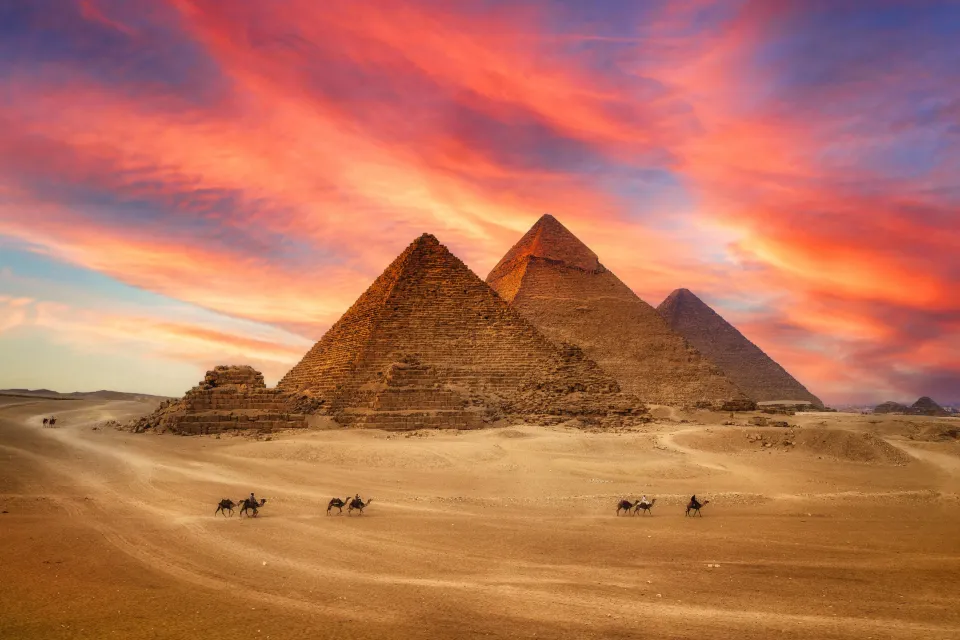
Among the famed and well talked about Seven Wonders of the Ancient World, only the Great Pyramid still stands today. The other wonders—such as the Hanging Gardens of Babylon, the Statue of Zeus at Olympia, and the Lighthouse of Alexandria—have been lost to time, natural disasters, whereabouts not certain or maybe caused by human destruction.
The Pyramids of Giza remain the only standing edifice among the seven wonders of the ancient world, this can not be just by accident, but by the astonishing durability of the structures and careful engineering.
They have endured thousands of years of wind, sand, conquest, and meteorological shifts. They have survived the rise and fall of empires, changes in religion, and the march of modernity and still they command the horizon, drawing pilgrims of all kinds—from tourists and scholars to dreamers pondering humanity’s earliest ambitions.
Culture
Read Between the Lines of African Society
Your Gateway to Africa's Untold Cultural Narratives.
Together with newer efforts like Egypt’s Grand Egyptian Museum, which opens near the Giza plateau to showcase Egypt’s ancient treasures, the pyramids continue to be central to the world’s understanding of Africa’s historical genius.
Yet even after centuries of study, the pyramids continue to surprise everyone who is still eager to learn about it and is fascinated by its idea. Modern archaeological techniques—such as ground-penetrating radar and muon imaging—reveal anomalies in the structures that hint at hidden chambers or architectural complexities not fully understood yet.
These discoveries remind us that the pyramid is both a relic and a living puzzle, maintaining its mystery even in the age of satellites and technology.
Conclusion: The Echo of Egypt’s Legacy
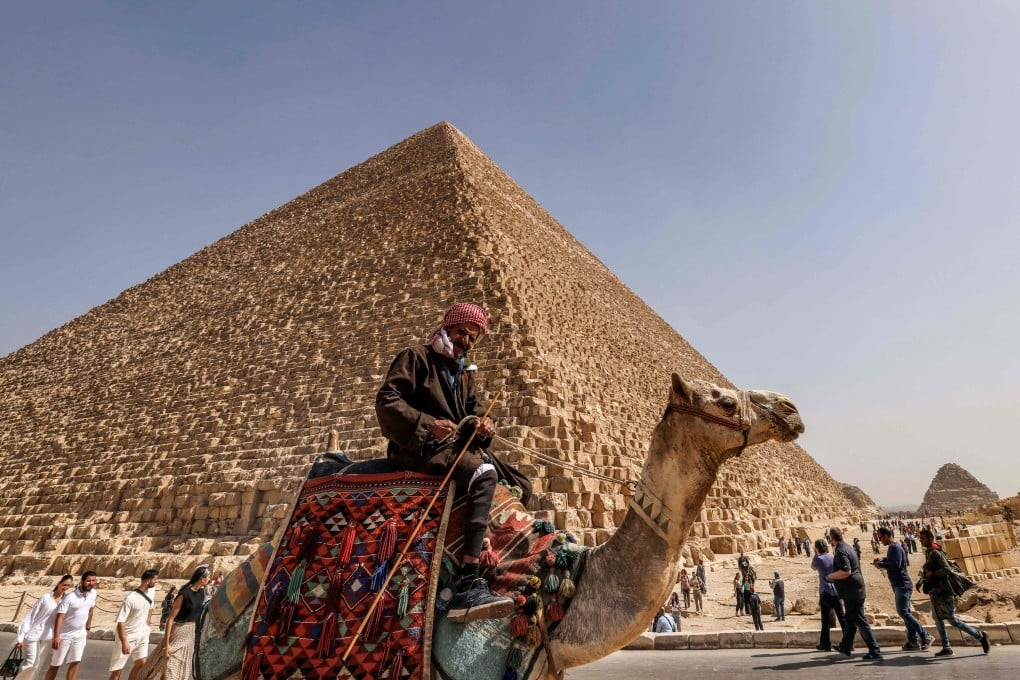
The Pyramids of Giza are more than ancient stones. They are a testament to the intellectual and spiritual and intellectual heights reached by one of Africa’s earliest great civilizations. Long before modern borders, The United Kingdom, Brazil, South Africa, or Australia existed, Egypt was already erecting monuments that was already planned to echo through time.
Today, those echoes still resonate, they speak of human ingenuity without technology, of faith in life after death, and of an African civilization that left a mark not just on its own land, but on the entire human story.
To see the pyramids is to look into a mirror reflecting Africa’s ancient grandeur—reminding us that the continent’s story did not begin with colonialism or modern states, but with humanity’s earliest attempts to build something that could truly last.