Lawmakers Debate E-Transmission Provisions as Electoral Act Review Intensifies
Nigeria's National Assembly is in a legislative uproar over the electronic transmission of election results, with both the House of Representatives and the Senate witnessing fierce debates and public protests. Lawmakers clash over mandatory e-transmission, while citizens demand transparency amid concerns for the integrity of the 2027 general elections.
Nigeria’s National Assembly has been at the center of intense controversy over the electronic transmission of election results ahead of the 2027 general elections.
Heated debates, rowdy sessions, and public protests have highlighted deep divisions among lawmakers over how election results should be transmitted to ensure credibility and transparency.
In the House of Representatives, tensions rose during discussions about revisiting parts of the Electoral Act Amendment bill.
Lawmakers clashed over whether electronic transmission of results should remain mandatory.
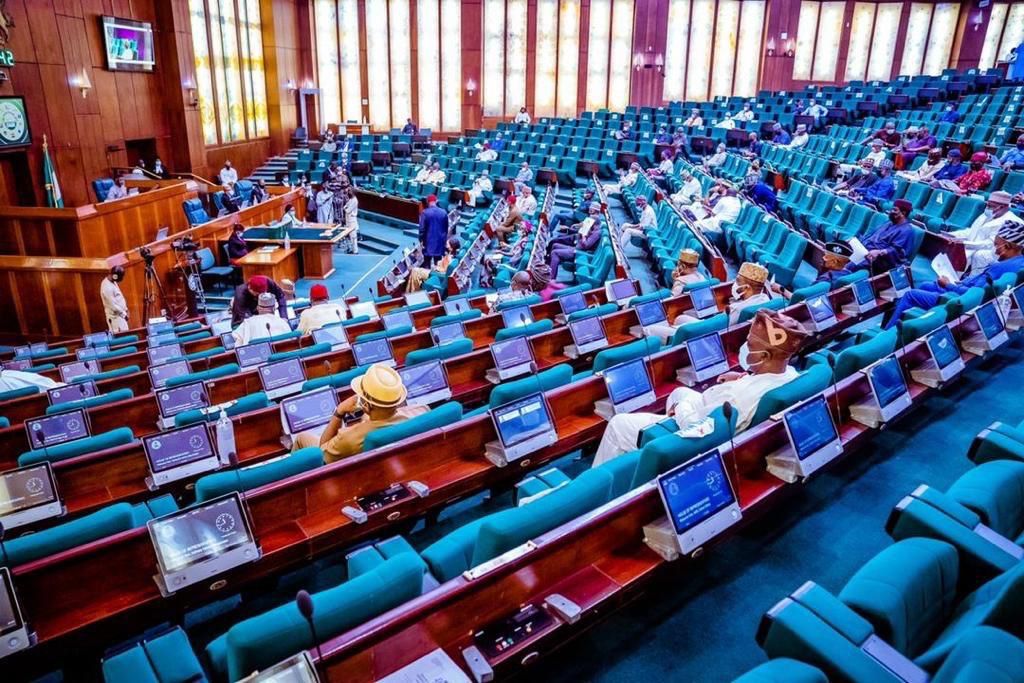
Some members argued that the law clearly requires polling unit results to be electronically uploaded to INEC’s IREV portal.
Others raised concerns about maintaining manual transmission as a backup option.
The disagreement led to dramatic exchanges, with opposition lawmakers staging a walkout in protest.
The Senate also witnessed chaotic scenes during consideration of the Electoral Act, 2022 (Repeal and Re-Enactment) Bill 2026.
A major point of contention was Clause 60, which allows manual transmission of results if electronic transmission fails.
Senator Enyinnaya Abaribe pushed for the removal of this provision, arguing that allowing manual fallback could weaken electoral transparency.

However, after a formal vote, the majority of senators supported retaining the clause, keeping the manual backup option in place.
Beyond the debate on transmission methods, lawmakers also reconsidered parts of the bill due to concerns about the timing of the 2027 elections.
The announced election date reportedly conflicted with certain provisions in the bill, prompting further review of multiple clauses to correct inconsistencies.
Public frustration spilled onto the streets as citizens protested at the National Assembly under the banner #OccupyNASS.
Demonstrators demanded mandatory real-time electronic transmission of results to strengthen trust in the electoral process.
Security operatives dispersed the protest using tear gas, drawing criticism and raising concerns about citizens’ rights to peaceful assembly.
In response, the House of Representatives pledged to investigate the incident and reaffirmed its commitment to protecting constitutional rights while maintaining order.
Lawmakers emphasized that Nigerians should be able to participate in the democratic process without intimidation.
As Nigeria prepares for the 2027 elections, the debate over electronic versus manual transmission of results has become a defining issue for electoral integrity, transparency, and public confidence in the democratic system.