Nigeria’s Electoral Act in Turmoil as Reps and Senate Clash Over Real-Time Transmission Amendments
Nigeria's House of Representatives and Senate have passed the harmonised Electoral Act amendment Bill, 2026, following highly contentious sessions marked by debates over electronic transmission of results. The legislation, intended for the 2027 general elections, includes a controversial proviso for manual collation as a backup, leading to protests and walkouts by opposition lawmakers. Despite infrastructure concerns, telecom operators affirm Nigeria's readiness for electronic result transmission.
The Nigerian House of Representatives and the Senate have passed the harmonised version of the Electoral Act amendment Bill, 2026, following prolonged and often rowdy sessions.
This critical legislation, titled “A Bill for an Act to Repeal the Electoral Act, No. 13, 2022 and Enact the Electoral Bill, 2026, to Regulate the Conduct of Federal, State and Area Councils in the Federal Capital Territory Elections and for Related Matters,” aims to address issues arising from the timetable for the 2027 general elections recently announced by the Independent National Electoral Commission (INEC).
In the House of Representatives, tension escalated when the Chairperson of the Committee on Rules and Business, Francis Waive (APC, Delta), moved a motion to rescind the passage of the Electoral Act (Amendment) Bill, 2025, which had been approved in December 2025.
This move was intended to align the legislation with emerging electoral reforms. When Speaker Abbas Tajudeen put the motion to a voice vote, the motion was met with audible disagreement from several members, forcing the Speaker to call for a division.

After a rigorous vote, the motion to rescind was carried, paving the way for detailed consideration of the harmonised 2026 version.
Debates in both chambers were heated, reflecting deep partisan divides over provisions concerning electronic voting, campaign finance, and constituency delineation.
Critics argued that certain clauses could favour incumbents, while proponents maintained that the amendments were necessary to modernise the electoral process and reduce ambiguities that had plagued previous elections.
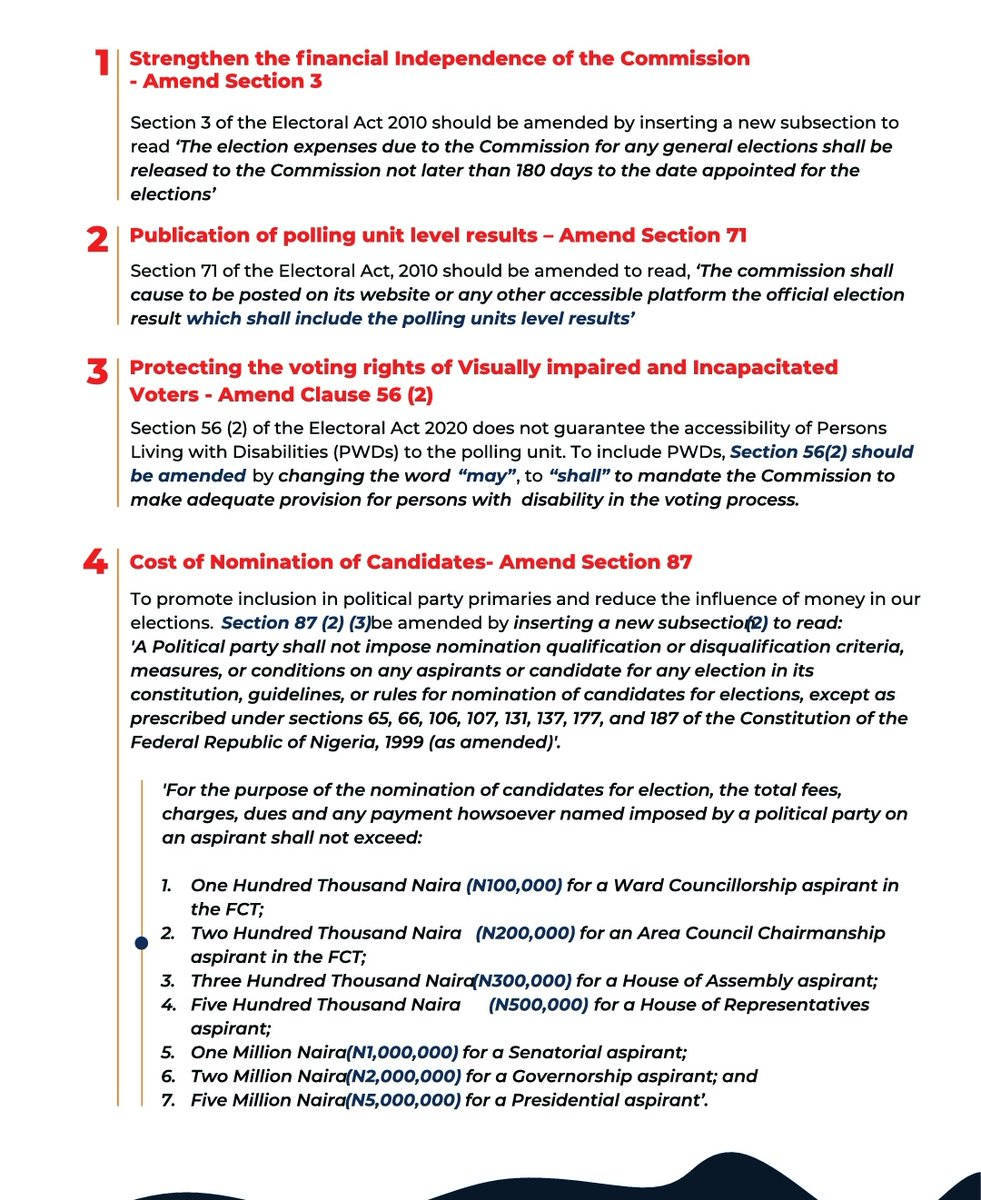
Following the passage, INEC welcomed the development, stating that the harmonised Electoral Act amendment would provide a clear legal framework for the 2027 elections, ensuring transparency, fairness, and adherence to constitutional deadlines.
Political analysts have described the passage as a significant step toward mitigating electoral disputes, though they caution that implementation will be key to its effectiveness.
The President is expected to assent to the bill within the next week, after which it will formally replace the 2022 Electoral Act, setting the stage for the first elections under the new legal framework in 2027.