DR Congo Just Declared War on the Dollar, But Has It Counted the Cost?
DR Congo is banning all foreign cash transactions from April 2027 in one of Africa's boldest monetary policy moves. Here is what is driving the decision, why enforcement is the real test, and what this means for 100 million people who have trusted the dollar more than their own currency for decades.
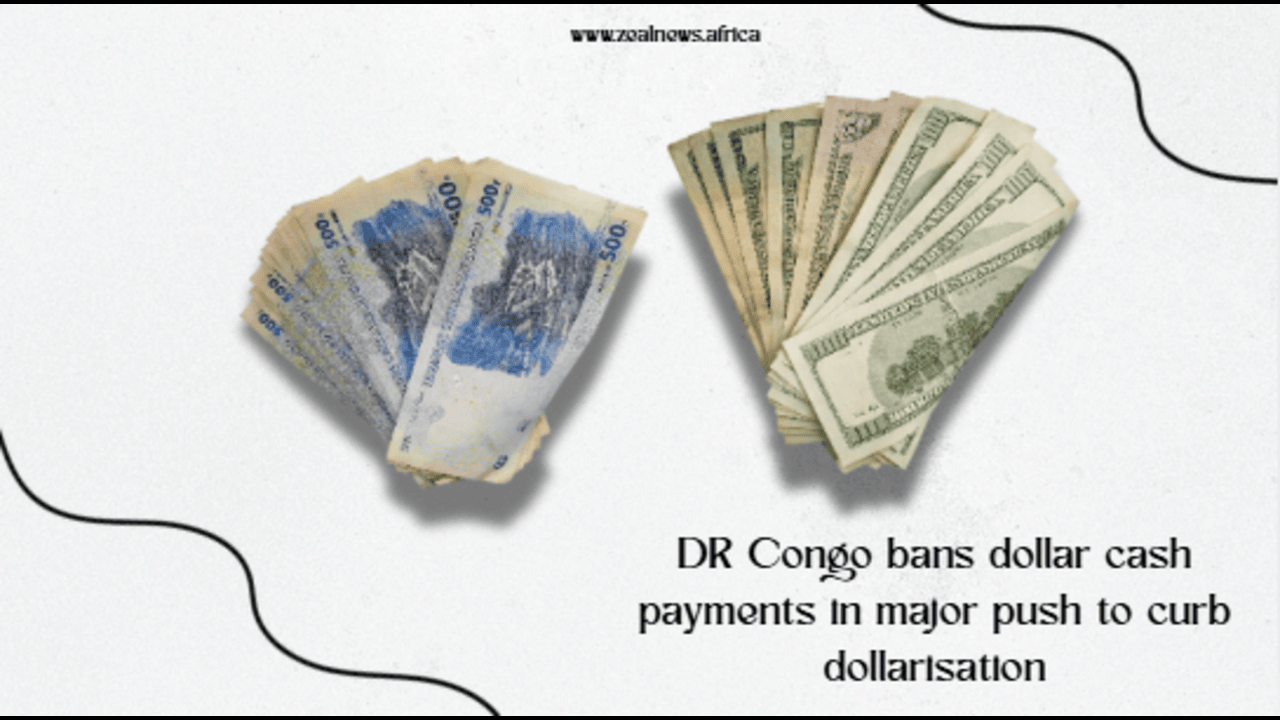
DR Congo Just Declared War on the Dollar, But Has It Counted the Cost?
There is a particular kind of economic courage you possess as an individual that looks indistinguishable from recklessness until it either works or it doesn't.
The Democratic Republic of Congo is trying to display exactly that kind, and the world is watching to see which category it falls into.
On April 9, 2027, every cash transaction in US dollars or any other foreign currency will become illegal on Congolese soil.
That means that no individual, no business, no commercial bank will be permitted to handle foreign banknotes in physical form.
The Central Bank of the Congo, led by Governor André Wameso, has drawn the line in terms that leave no ambiguity: "From April 9, 2027, no person will be authorised to carry out cash transactions in foreign currencies."
It is one of the boldest monetary policy moves any African government has attempted in recent memory. It is also, depending on who you ask, either a necessary assertion of sovereignty or a regulation being written in a capital while the rest of the country operates in a different economic reality entirely.
A Country That Learned the Hard Way
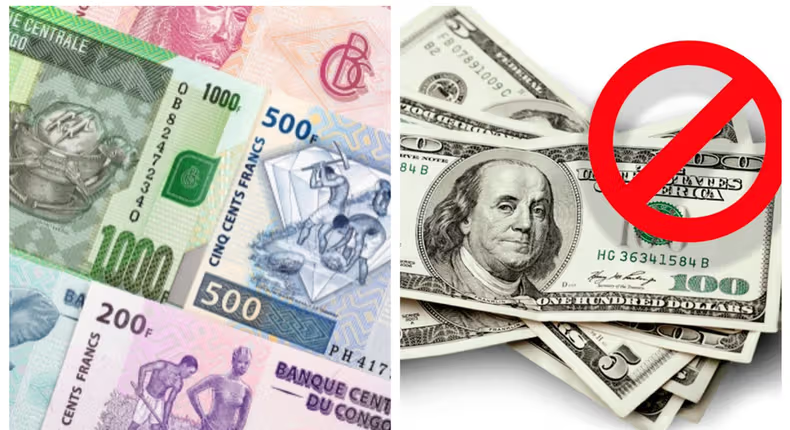
To understand why Congo dollarised, you have to understand what the franc did to its people.
In the 1990s, inflation in Congo surged to approximately 2,000 per cent. Not 20 per cent and not even 200 per cent. Two thousand, and the implications of that gap were visible and felt in DR Congo.
This is the kind of inflation that does not just erode savings, it obliterates the very concept of saving in local currency. Since then, households and businesses made a rational decision: the dollar was not a preference; it was a survival mechanism. That decision has been embedded in the economy's DNA ever since.
Today, the Congolese franc trades at roughly 2,300 per dollar, compared to approximately 920 in 2010, a depreciation that tells its own quiet story about public confidence.
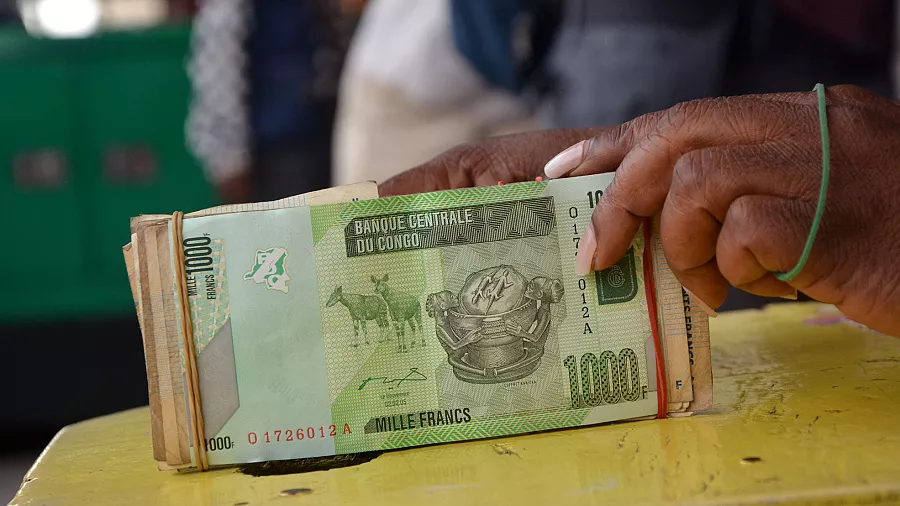
Most transactions above five dollars are conducted in US currency. The banking system, the informal market, the street vendor and the corporate treasury, all of them have built their operations around the assumption that the franc is for small change and the dollar is for everything that actually matters.
Previous attempts to reverse this have not held; a 2024 directive requiring electronic payment terminals to accept only francs had limited impact. Dollar cash has simply continued to dominate.
As in most scenarios of finding loopholes, the market found its way around the policy because the market's fundamental distrust of the franc was never addressed by the policy.
The 2027 ban goes further than anything attempted before. It also raises the enforcement question that nobody in Kinshasa's financial corridors has answered satisfactorily.
The Enforcement Problem Nobody Is Naming Directly
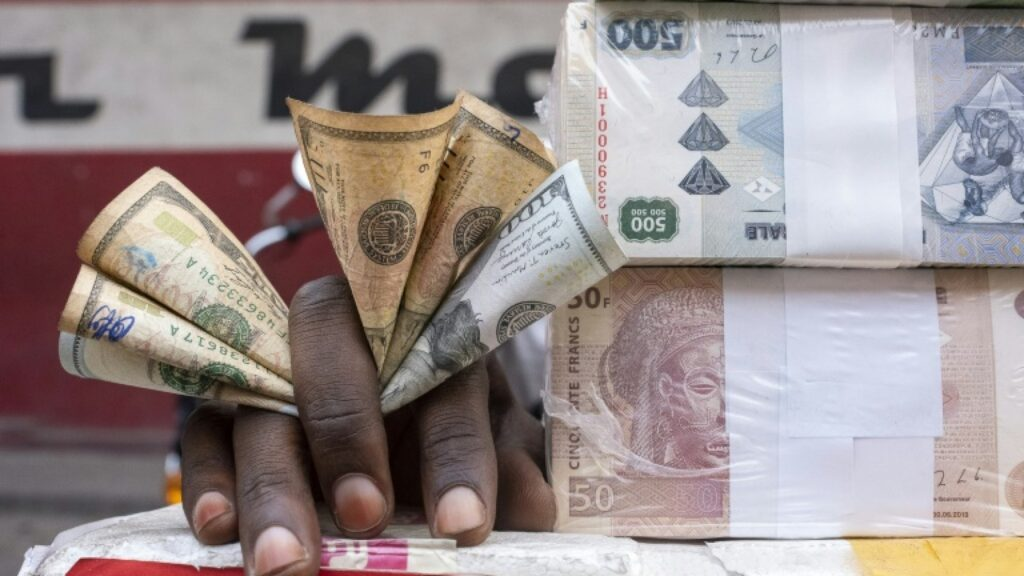
Congo has over 100 million people, one of the largest informal sectors on earth. A geography that makes coordinated regulatory oversight enormously difficult, even before you factor in institutional capacity constraints. And a population whose relationship with dollar cash is not sentimental, it is structural.
The policy is also explicitly linked to efforts to exit the Financial Action Task Force grey list, where Congo remains due to gaps in anti-money laundering and counter-terrorism financing frameworks.
Forcing foreign currency transactions into traceable banking channels is a logical response to that pressure, electronic transactions leave records, cash does not. The financial intelligence unit CENAREF has been given stronger powers to track suspicious transactions, and laws adopted in 2022 and expanded in 2025 have tightened reporting requirements.
The macroeconomic conditions are more favourable than they have been in years. Economic growth is projected at 6.2 percent in 2026, supported by mining activity and Congo's central position in global cobalt supply chains, a strategic asset that has attracted sustained interest from the United States, China, and Europe.

Inflation has dropped sharply to 2.2 percent year-on-year as of March 2026, down from over 10 percent a year earlier. The numbers suggest a window. The question is whether the government has the institutional reach to climb through it.
The African Context and What Success Actually Requires

Congo is not alone in wrestling with currency sovereignty. Nigeria has battled naira confidence for years, managing a complex relationship between official and parallel exchange rates that still refuses to fully converge.
Ghana has fought cedi depreciation through a combination of IMF programmes and structural reform. Angola has tightened foreign currency controls intermittently.
These are not isolated monetary struggles, they are symptoms of a broader African challenge: building public trust in institutions that have historically provided little reason for it.
What sets Congo apart is the scale and the ambition of the instrument being used. A ban is not a policy. It is a declaration, and declarations require enforcement capacity that many African states, including Congo, have not consistently demonstrated.
If the ban works, it channels foreign currency into the banking system, improves transparency, strengthens monetary sovereignty, and builds the case for international financial integration.
If it does not work, it pushes transactions deeper into the informal economy, creates new arbitrage opportunities for those with enough capital to navigate them, and potentially damages the very trust it was designed to build.
The Congolese government has until April 2027 to prepare for a transition that will test whether the distance between bold policy and effective governance has finally narrowed.
The franc has been here before, declared the solution, but watched the problem persist. This time, the stakes are higher than they have ever been.
One day, maybe, the policy will match the moment. But for now, the calendar is set, and everyone is waiting to see how it unfolds.