Digital Portfolios Are the New Business Cards; Here’s How to Build One That Gets Seen
In today’s digital-first economy, your online portfolio is your handshake, résumé, and elevator pitch rolled into one. Here’s how to build a digital portfolio that actually gets noticed and gets you hired.
Before LinkedIn endorsements, before Canva résumés, there was the business card; crisp, pocket-sized, and proudly exchanged after every meeting. Today, that small rectangle of paper has evolved into something far more dynamic: the digital portfolio. It’s no longer just a tool for designers and photographers but it’s the new professional currency across industries.
In a world where recruiters scroll faster than they read, your online presence can make or break your career prospects. Whether you’re a freelancer, entrepreneur, or job seeker, your digital portfolio isn’t just a gallery of work, it is a living narrative that says, This is who I am, and this is what I can do.
The reason why Digital Portfolios are replacing Business cards; The shift is simple: visibility now lives online. A business card might get lost in a drawer, but a portfolio link stays clickable forever. According to Forbes, professionals with personal websites are 10 times more likely to be contacted by recruiters. In industries like tech, media, and consulting, your portfolio is often viewed before your résumé.
Even traditional sectors like law, healthcare, and education are catching up. Universities now encourage students to maintain e-portfolios showcasing projects, publications, and professional growth. The business card was about contact and the portfolio is about credibility.
The Anatomy of a Great Digital Portfolio
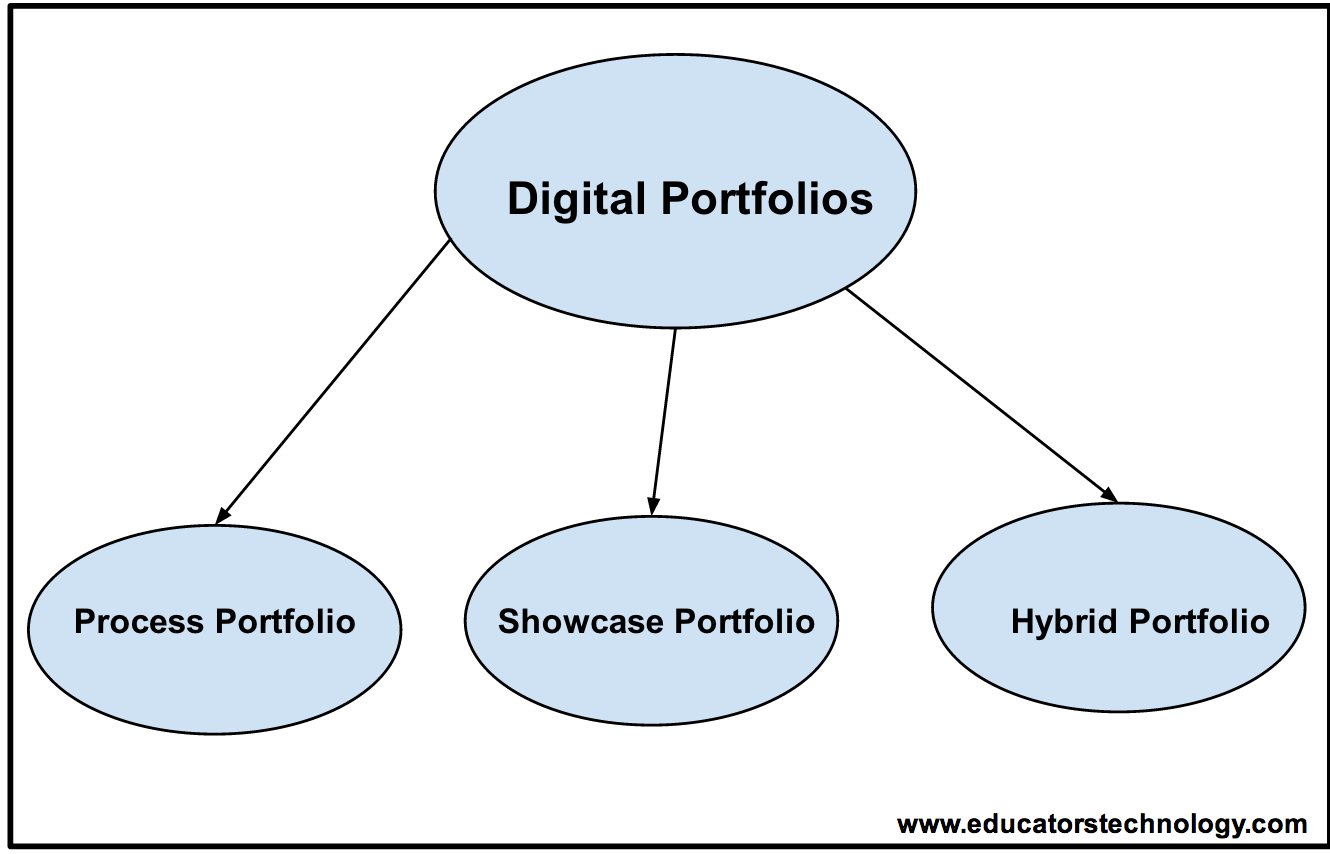
A digital portfolio is more than a website with your name on it. It’s a curated experience. The best ones share three key traits: clarity, credibility, and connection.
Clarity: Within five seconds, a visitor should understand who you are and what you do. That means clear branding, a concise bio, and simple navigation.
Credibility: Showcase your strongest projects, testimonials, and measurable outcomes. Don’t just say you managed a campaign, show the results with visuals, links, or data.
Connection: End with a clear way for people to reach you; a contact form, social media links, or a scheduling button. You’re not just presenting work; you’re inviting conversation.
Tools like Wix, WordPress, and Squarespace make it easier than ever to design a professional-looking site with no coding skills required. For creatives, platforms such as Behance and Dribbble double as both portfolios and communities.
What to Include — and What to Leave Out
Your portfolio should tell a story, not drown visitors in content. Each element should serve a purpose.
Include:
A professional bio that blends personality and expertise.
A selection (not collection) of your best projects.
Case studies explaining process, challenges, and results.
Updated contact information and professional links.
Avoid:
Overloading with every project you’ve ever done.
Using buzzwords without proof.
Neglecting mobile optimization over half of traffic now comes from phones.

Remember, curation is credibility. A lean, sharp portfolio beats a cluttered one every time.
How to Make It Stand Out
With millions of portfolios online, the challenge is standing out. Here’s how to make yours unmissable:
Tell a story, not a résumé.
Every project should show growth, not just completion. Add a short narrative: what problem did you solve, and what did you learn?Use visuals smartly.
Strong images, infographics, and short videos hold attention longer than text. Sites like Unsplash offer free, high-quality visuals to elevate your design.Add a personal touch.
A simple video introduction or photo of you at work builds authenticity. People connect faster with faces than fonts.Leverage SEO.
Include relevant keywords in your title, bio, and project descriptions. Think like a recruiter; what terms would they search to find someone like you?Keep it fresh.
Update regularly. A stagnant portfolio signals stagnation. Treat it as a living résumé that evolves with your career.
Social Proof: Your Secret Weapon
Portfolios are no longer just for showing, they are for social signaling. Add testimonials from clients, collaborators, or employers. Even one strong recommendation, linked to a verified profile like LinkedIn, boosts trust instantly.
Integrate your portfolio with your digital footprint:
Link your Twitter or Threads profile if you discuss your field actively.
Embed your Medium or Substack posts to showcase thought leadership.
Sync your GitHub (for developers) or SoundCloud (for musicians) to show your ecosystem of work.
In today’s attention economy, visibility equals opportunity. Your goal is to exist where people already search.
The Rise of the “Career Brand”
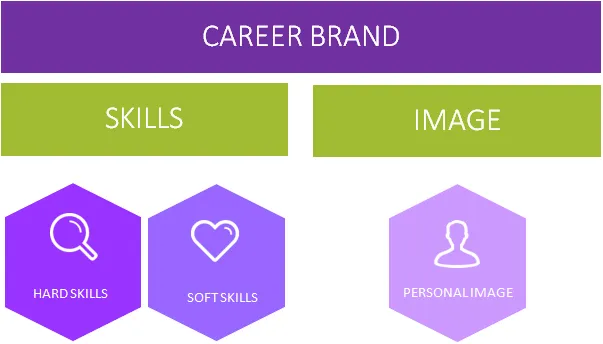

What once belonged to influencers now applies to everyone: personal branding. Your portfolio is your digital storefront and then people decide whether to enter in seconds.
According to a report by LinkedIn’s Economic Graph, 80% of hiring managers now look at a candidate’s online presence before interviews. A clean, cohesive portfolio gives them everything they need; proof of skill, aesthetic sense, and professional maturity.
If a business card said “Here’s my number,” a portfolio now says “Here’s my value.”
Case Study: From Invisible to In-Demand
Amarachi O., a Lagos-based UX designer. After months of unanswered job applications, she decided to rebuild her digital portfolio, focusing on storytelling, mobile design, and quantifiable results. Within six weeks of relaunching, recruiters from Europe and the U.S. reached out for remote roles.
Her secret? She treated her portfolio as a product, not a document. Every section had a purpose which is to attract, inform, and convert. She wrote humanly, designed visually, and positioned her work as solutions, not samples.
Stories like Amarachi’s show that visibility isn’t luck, it is strategy.
From Cards to Clicks, The Future of Networking; Networking has moved from conference halls to comment sections. Instead of handing out cards, professionals now share portfolio links via DMs or digital business cards like HiHello and Linq.
This evolution has flattened hierarchies. A freelancer in Ibadan can showcase work to a CEO in Berlin in seconds. The gatekeepers are gone but only for those who’ve built a digital doorway.
In essence, your portfolio isn’t just a tool for finding work; it’s how work finds you.
Build It Like a Story, Not a Site; A strong digital portfolio does what the best business cards never could: it speaks for you when you’re not in the room. It builds trust at scale, opens unexpected doors, and tells your professional story better than any résumé line ever could.
So don’t think of it as a website. Think of it as a stage where your work performs, your voice resonates, and your reputation grows.
Because in the new economy, you don’t hand out business cards anymore.
You hand out yourself ; digitally, boldly, and beautifully.