Diasporans Love Africa Until It’s Time to Live There
Everyone online loves “Mother Africa,” until she asks for more than a repost. The diasporans romanticize the continent from afar but struggle with its realities when it’s time to live, build, and belong.
The Hype Fantasy
Scroll across social media and you would see tweets and posts flying across from different users, because it is always on these various platforms we feel the vibes and send our goodwill messages.
You should have come across something like “My country has the best jollof ❤ ️ on Twitter. The comments and patriotism pours in with endless joy and energy.
But here’s the truth hiding behind the emojis: most of the people posting these things haven’t set foot in Africa since they were born or even traveled out of the continent. They love the idea of Africa, not the reality of it. They admire her sunsets, her music, her pride, but from time zones away, cushioned by the Wi-Fi of convenience and the stability of systems that work.
It’s easy to tweet about “home” when home doesn’t have to mean traffic fumes, power cuts, or a currency that collapses before your next paycheck clears. It’s easy to repost an Afrobeats clip and type “We’re winning!” when you don’t have to navigate the embassies, queues, and hustles that feed that music in the first place.
There’s something poetic for the average African about this distance, a kind of emotional long-distance relationship with a continent people romanticize but rarely visit. The irony? Many who claim to “miss” Africa have only ever known it through the lens of Movies, CNN, or curated travel vlogs. Missing a place you’ve never lived in is not nostalgia. It's a projection.
The diaspora love story with Africa is loud online, but quiet in airports.
The Online Love Affair with ‘Home’
Every December, Africa trends with various hashtags including #DettyDecember. Instagram bios are lined with flags, 🇳🇬🇬🇭🇰🇪🇿🇦, proud markers of cultural belonging. But many of those bios belong to people who left before they could understand the weight of what it means to stay.
The internet has turned “African pride” into a performance. And while there’s nothing wrong with representation, there’s something hollow about affection that stops at the caption. The same people who wax poetic about “the motherland” wouldn't even want to stay for a day in their home country, the irony is glaring. Many come up with the excuse of no reliable Wi-Fi, contingencies that are favourable, and customer service that doesn’t involve “Please, come back tomorrow.”
You can’t say you “feel Africa” through Spotify playlists and Ankara prints. You can’t say “home” when you’ve only ever seen it through the filters of your phone. Africa is not a museum of culture or a summer escape; she’s a living, breathing, chaotic, beautiful being, one that demands work, not just admiration.
We love to dream of an Africa that glitters, an Africa free of corruption, of failing systems, of poverty. But few want to get their hands dirty enough to help her shine. The truth is: we don’t need more dreamers. We need doers.
Diaspora Connect
Stay Connected to Home
From Lagos to London, Accra to Atlanta - We Cover It All.
The Reality Check
Let’s be honest, Africa can test your patience. Ask any returnee who’s tried to renew a driver’s license, register a business, or get through traffic without questioning their existence. There’s a rhythm to the chaos and unless you’ve lived it, you can’t understand it.
Not to lie “Africa can humble your optimism faster than anywhere else.” It’s not cynicism — it’s the reality. Systems are unpredictable, infrastructure fragile, and bureaucracy can turn ambition into exhaustion.
And yet, beneath the cracks lies the pulse that makes Africa magnetic. The street vendors who build empires from wooden stalls. The young creatives, shooting short films that are gaining engagements and going viral. The coders in co-working hubs in Nairobi or Kigali who dream not of Silicon Valley, but of creating their own. Their something about the African blood and resilience, the push to be excellent.
So yes, Africa can be hard. But she’s also honest. She rewards those who stay long enough to understand her rhythms. The dream is possible, but only if we stop waiting for angels to do the work we refuse to.

The Economics of Return and The Reality
Coming home is easy to say — until the bills start arriving from left, right and center.
For many in the diaspora, “returning” to Africa sounds noble. But noble doesn’t pay rent. The economic gap is real, a dollar spent in Brooklyn doesn’t stretch the same way in Lagos. A salary in pounds converts to naira and instantly feels like power, until you start a business and realize passion doesn’t buffer against import costs, currency instability, or bureaucracy.
Earning in dollars but spending in naira gives the illusion of wealth. But building in naira? That’s a different story.
Returnees often face a harsh awakening, the dream of “giving back” becomes tangled in red tape and fluctuating exchange rates. They arrive expecting gratitude for their return, but many find resentment instead, accused of acting superior, of “forming Yankee,” of not understanding the local grind.
But what if the problem isn’t just the system — but the mindset? What if returning home means unlearning entitlement and relearning humility? Africa doesn’t need saviors. She needs partners. And building her means investing time, not just capital and for those are home needs to welcome the diasporan community with open hands.
The Class Divide — Diaspora Flex vs. Local Hustle
There’s an unspoken tension between those who left and those who stayed.
Diasporans are often seen as privileged — “you people abroad have it easy.” Locals, on the other hand, are seen as stuck, “you people don’t see opportunities.” Both narratives carry half-truths.
Diaspora Connect
Stay Connected to Home
From Lagos to London, Accra to Atlanta - We Cover It All.
Yes, many abroad enjoy better infrastructure and systems that work. But many also battle loneliness, racism, and the quiet fatigue of constantly proving their worth in lands that see them as “other.” And yes, many in Africa face broken systems, but within those cracks lie raw opportunities the West can’t offer anymore.
The issue isn’t who’s better off, it’s that both groups see each other through distorted mirrors. The diasporan often comes home with ideas but no patience. The locals often meet those ideas with skepticism, not collaboration. The gap widens, not because either side lacks love for Africa, but because both lack understanding of what it takes to truly build her.
There are still countless untapped opportunities in Africa, agriculture, fintech, renewable energy, storytelling, tourism. But these won’t grow on wishful thinking. The Africa of our dreams won’t build itself.
The Emotional Conflict — Belonging, but Not Quite
Home. It’s a word that carries weight, but for many Africans abroad, it’s become complicated. Too Western for Africa. Too African for the West.
Diasporans speak fondly of “going home,” but when they do, they feel out of place, their accent stands out after years of being away, their references miss the mark, and suddenly they realize that home has moved on without them.
Meanwhile, those back home see life abroad as paradise, the land of endless light, endless order, endless money. They can’t understand how anyone would miss “the struggle” when there’s electricity and stability elsewhere.
And so, when both groups meet, whether online or at December parties, there’s a tension disguised as laughter. The one who left feels misunderstood; the one who stayed feels dismissed. What we forget is that both are right and both are wrong.
The diaspora needs to stop treating Africa like a concept and start treating her like a commitment. And those at home need to welcome criticism not as an insult but as investment. Building bridges, not borders, is how belonging begins.
The Real Work of Loving Home
Loving Africa shouldn’t stop at nostalgia or hashtags. It should extend to contribution, even if imperfect. True love is inconvenient. It’s showing up when the lights go out, not when the cameras turn on.
We need more people who will build here, not just brag from afar. More collaborations between diaspora expertise and local knowledge. More humility from both sides. More willingness to admit that the Africa we dream of won’t rise from speeches or slogans, it will rise from systems we fix, one institution, one startup, one community at a time.
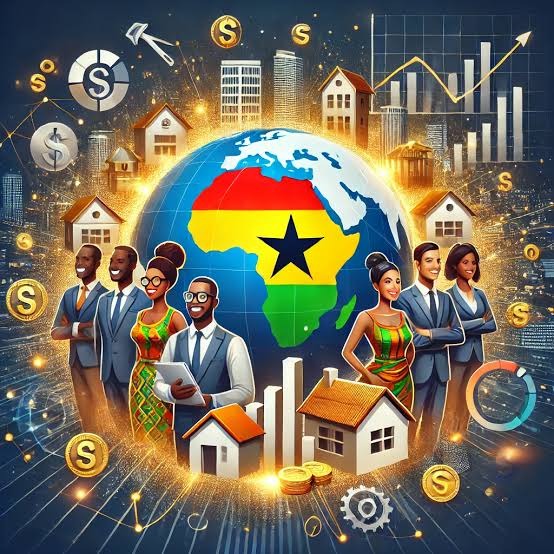
Diaspora return isn’t just about relocation, it’s about responsibility. The home you dream of is only as strong as what you help sustain and to those still saying “I miss home,” maybe it’s time to prove it. Come home, not just to visit, but to live, to learn, to impact, to grow. Africa doesn’t need perfection, she needs participation.
Diaspora Connect
Stay Connected to Home
From Lagos to London, Accra to Atlanta - We Cover It All.
Because at the end of the day, love for Africa isn’t about where you are. It’s about what you do for her, wherever you stand.
Conclusion
Diasporans love Africa, that’s not in doubt. But loving her enough to live her truth, to bear her weight, to work through her flaws, that’s a deeper kind of devotion. The Africa we want won’t come from distance or denial. It’ll come when both those abroad and those at home realize that pride without participation is just performance.
So yes, love Africa. Tweet about her. Wear her fabrics. Sing her songs. But also, build her. Because hashtags fade, but home remains.
Africa doesn’t need another admirer. She needs her children, all of them, to return, not just with luggage, but with loyalty and innovation.