Data Is the New Palm Oil: Why African Nations Must Protect Their Digital Gold
Africa generates massive amounts of data daily, yet much of this digital wealth flows abroad. Protecting and leveraging this resource is essential for economic growth, innovation, and national sovereignty.
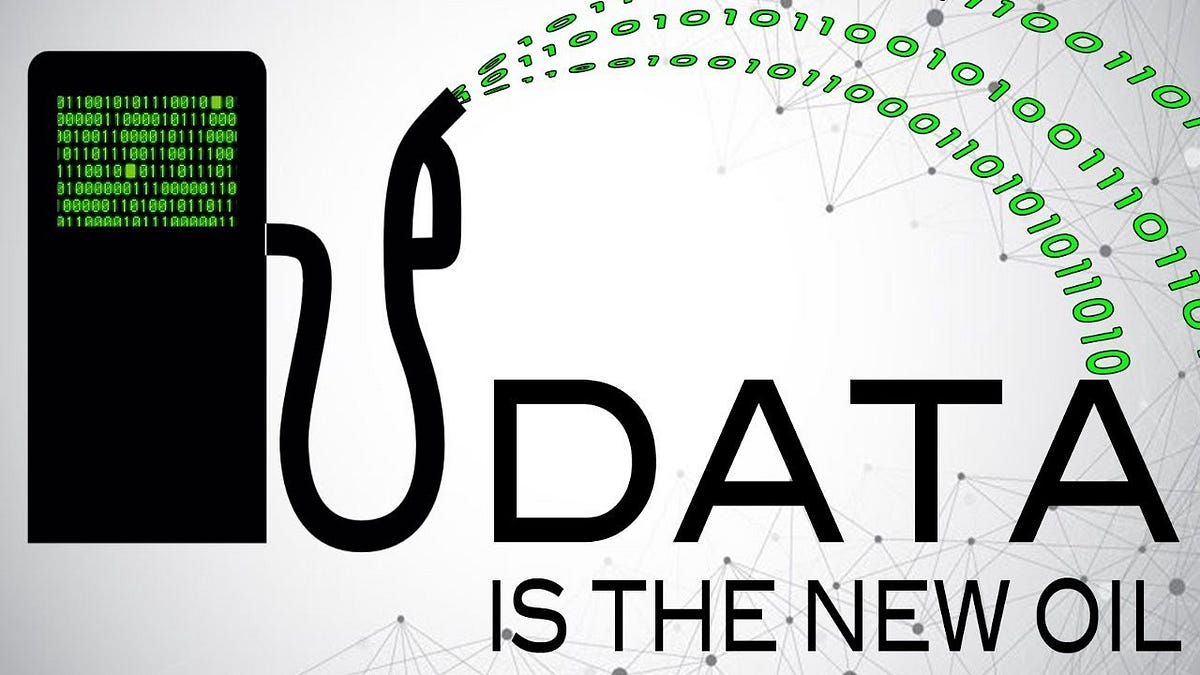
For centuries, palm oil powered African economies, fueling trade, employment, and wealth creation. Today, a new commodity reigns supreme: data. From mobile payments to social media, African nations generate vast amounts of information daily, yet much of it remains unprotected, extracted by foreign tech giants, and underutilized locally. The urgency is clear: just as nations once guarded palm oil, Africa must now safeguard its digital gold to secure its future prosperity.
All around Africa, smartphones hum with activity. Every swipe, search, and transaction generates data, a resource that, while intangible, is incredibly valuable. According to a recent report by theWorld Bank, Africa’s digital economy contributes roughly $180 billion annually, yet much of this wealth leaves the continent through foreign platforms and data extraction. If properly harnessed, this same data could fuel domestic innovation, create jobs, and enhance public services across sectors.
In Nigeria alone, mobile money platforms likeFlutterwave and Paystack process millions of transactions daily, generating metadata that can be monetized by global companies. This data is more than numbers, it’s insight, capital, and strategic advantage. Yet, unlike palm oil in the past, Africa lacks robust mechanisms to protect, regulate, or fully capitalize on this resource. Entrepreneurs, policymakers, and citizens are all competing for control of what is quickly becoming a national treasure.

The analogy to palm oil is striking. Palm oil once drove infrastructure, employment, and exports, but mismanagement often allowed wealth extraction by foreign entities. Today, digital resources face the same risk. Without strong data protection policies, the economic benefits flow outward, leaving local economies undercapitalized while global tech giants reap enormous profits. Africa’s digital potential can only be realized through intentional governance and strategic investment.
Privacy and ownership are critical concerns. Many African users unknowingly share personal and financial data with multinational platforms. Digital sovereignty remains weak, and cybersecurity frameworks are still developing. Nations like Kenya have made progress with theData Protection Act, but enforcement and public awareness remain inconsistent. This creates a landscape where foreign companies extract immense value, while citizens see little direct benefit.
The stakes extend beyond economics. Data drives policy, urban planning, and innovation. Governments that fail to secure and utilize this resource risk ceding control over strategic decision-making. For instance, traffic and energy usage patterns, if properly analyzed, could improve infrastructure, reduce costs, and guide investment but only if the data remains accessible locally rather than being siphoned overseas.
African startups are increasingly aware of the potential of domestic data. Fintech, e-commerce, and health tech firms rely on locally generated insights to innovate and grow. Startups likemPharma leverage patient and supply-chain data to improve healthcare delivery across Nigeria and Ghana. These examples highlight the transformative power of data when it is properly harnessed within the continent.
Yet, challenges persist. Inadequate legislation, fragmented policy, and limited technical capacity hinder effective data governance. Countries often rely on foreign cloud platforms for storage, analytics, and payments, unintentionally outsourcing their most valuable digital asset. Experts argue that regulatory frameworks must evolve quickly to ensure African nations capture economic, strategic, and social value from their own data.
Moreover, international pressures are reshaping expectations. The European Union’s GDPR and similar global regulations require responsible handling of personal data. African countries that fail to develop coherent digital policies may face economic disadvantages or even exclusion from international digital markets. Ensuring data sovereignty is therefore not just about privacy, it’s about remaining competitive in the 21st-century economy.
Some nations are beginning to take notice. South Africa, Nigeria, Kenya, and Ghana have launched initiatives to strengthen data protection, develop local cloud infrastructure, and encourage domestic innovation. Yet, the continent-wide landscape remains uneven. A coordinated strategy could transform Africa from a net exporter of digital information to a global hub for data-driven growth, benefiting both governments and citizens alike.

Investing in human capital is as important as infrastructure. African nations must cultivate local talent capable of managing, analyzing, and monetizing data. Coding bootcamps, university programs, and tech hubs can equip citizens with the skills needed to turn raw information into actionable insights. Without a workforce that understands data’s value, the continent risks remaining perpetually dependent on foreign expertise, while the wealth generated leaves local communities underserved.
Latest Tech News
Decode Africa's Digital Transformation
From Startups to Fintech Hubs - We Cover It All.
Beyond private enterprise, data can transform governance and public service delivery. Urban planning, healthcare logistics, and energy distribution rely on accurate information. For example, analyzing traffic and energy consumption patterns could help cities reduce congestion and power outages. By harnessing digital gold responsibly, governments can implement policies that benefit citizens directly, improving efficiency and quality of life while retaining control over strategic resources.
Africa’s digital potential cannot be fully realized in isolation. Regional collaboration such as harmonized data protection laws across ECOWAS or the African Union can create a secure, unified market. Shared best practices, cross-border infrastructure, and coordinated cybersecurity strategies will help African nations maximize the value of their collective digital wealth, ensuring the continent competes effectively on the global stage rather than being passive suppliers of data to external corporations.
The comparison to palm oil also underscores the importance of public awareness. Historically, the benefits of palm oil were unevenly distributed, often favoring elites or foreign companies. Today, ordinary citizens generate data through daily transactions, social media posts, and mobile usage. Ensuring that this digital gold translates into inclusive economic benefits is key to sustainable development.
African policymakers face a critical question: how can the continent balance openness with protection? Open markets encourage investment and innovation, but unchecked extraction risks repeating historical patterns of resource exploitation. The answer may lie in developing local platforms, fostering homegrown analytics firms, and enforcing strict regulations on foreign access to ensure a fair share of the wealth remains in-country.
Finally, the digital economy represents more than wealth; it is a tool for sovereignty and empowerment. Nations that invest in data infrastructure, skill development, and digital literacy will reap dividends across healthcare, agriculture, finance, and governance. Just as palm oil once shaped Africa’s economic destiny, data now has the power to define its trajectory in the 21st century.

In conclusion, Africa is at a crossroads. The continent produces vast quantities of data every day, but much of this wealth leaves in the hands of external actors. Protecting this digital gold is not just a matter of pride, it is essential for economic independence, innovation, and social progress. Policymakers, entrepreneurs, and citizens alike must recognize the stakes, act decisively, and ensure that Africa’s data fuels growth for the continent rather than foreign platforms alone.