Dangote Has Over 440 Million Litres of Petrol. Why Is Nigeria Still Importing Fuel?
Dangote Refinery has over 440 million litres of petrol in stock, yet Nigeria continues importing fuel. Here’s why imports remain necessary despite local refining.
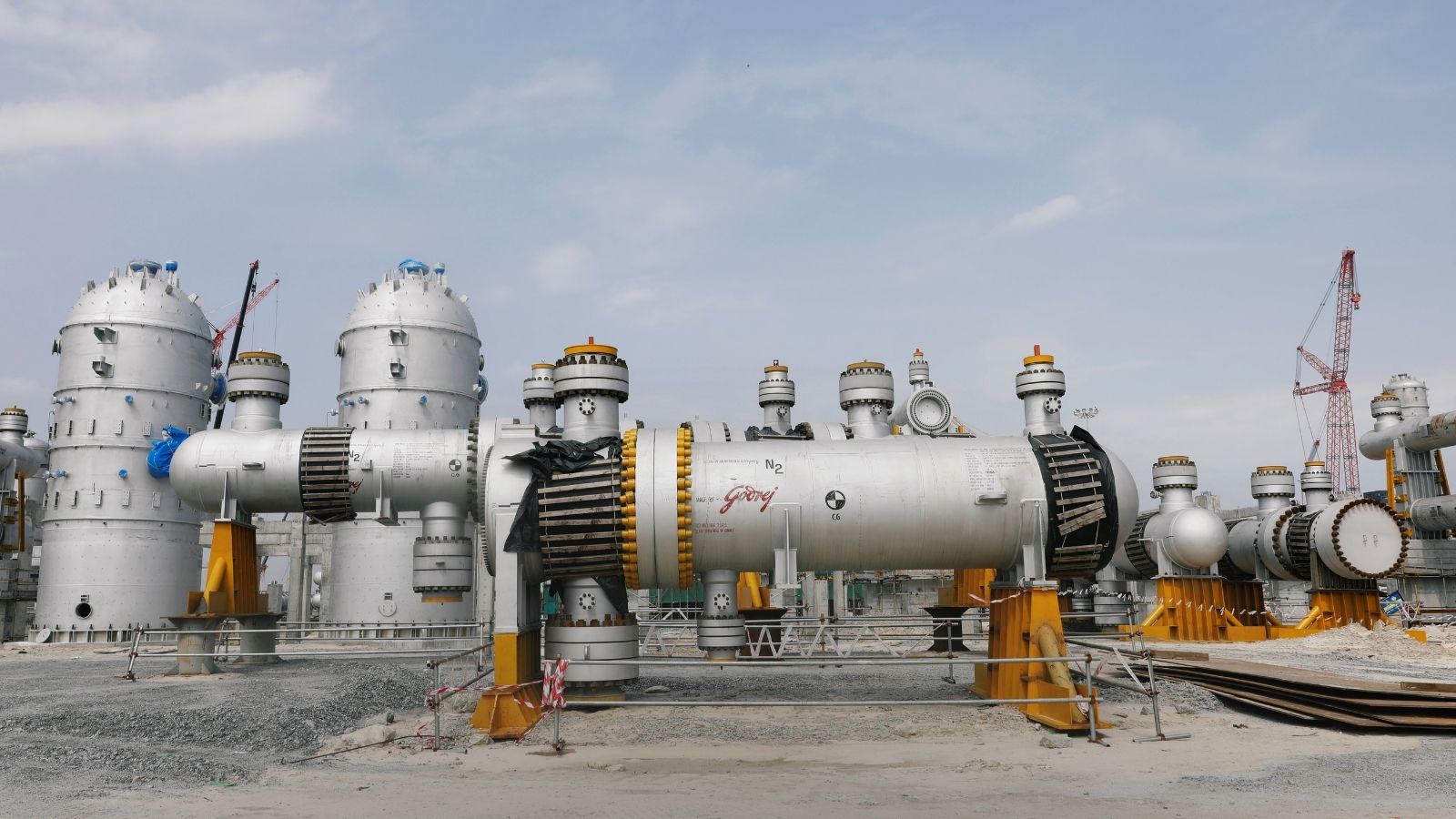
Nigeria stands as the largest producer of crude oil in Africa, mining up to two million barrels daily. Yet, it still pays foreign refiners money to give its citizens the finished petrol product from the crude.
This is a contradiction and it sits at the centre of a growing national debate especially now that it is established Dangote Refinery holds hundreds of millions of petroleum in its storage while the country continues to issue import licenses.
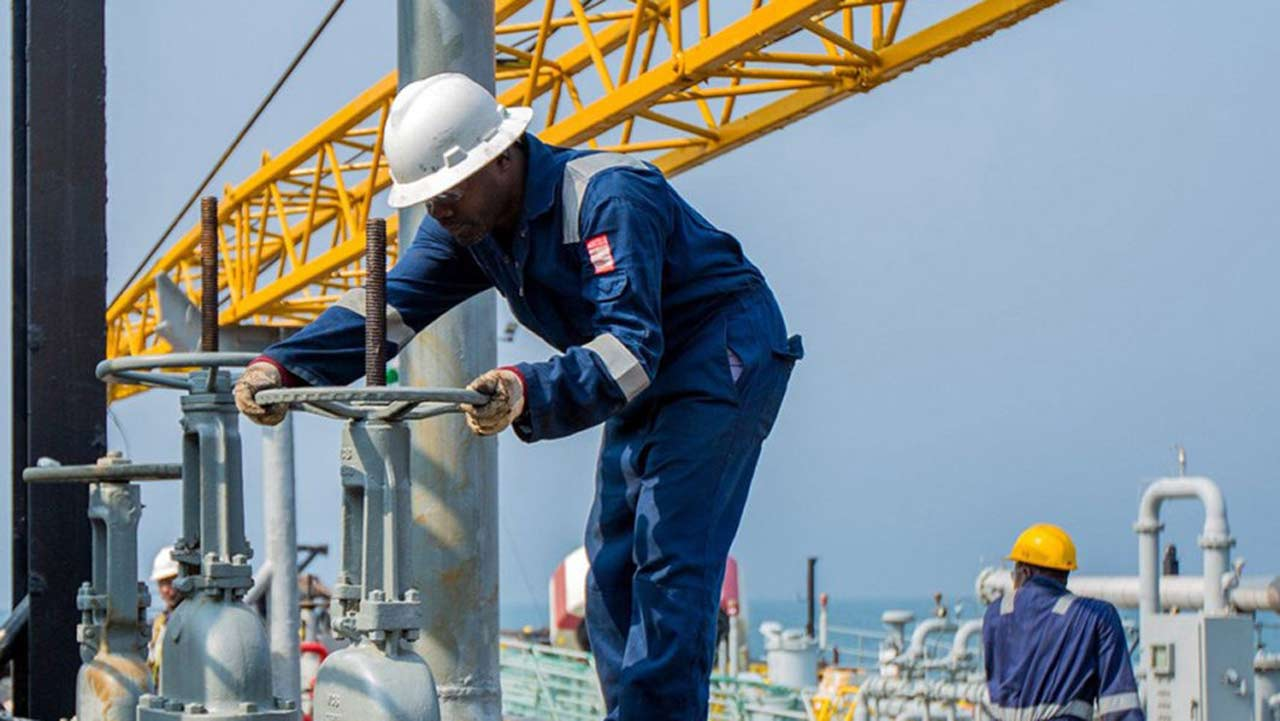
Data from the Nigerian Midstream and Downstream Petroleum Regulatory Authority (NMDPRA) has revealed that Dangote Refinery still had over 440 million litres of petrol in stock by the end of August, alongside diesel and jet fuel reserves.
This was the same period that the daily petrol import rose to about 9% and the domestic supply from the refinery fell by 21% month-on-month.
The national petrol consumption also dropped sharply around that same period yet imports still continued. So, why is the country still importing petroleum when a fully operational, 650,000-barrels-per-day refinery and a visible stockpile still exists?
Why the Refinery Isn't Enough on Its Own
A simple explanation to this is capacity utilisation. Dangote Refinery has been dancing between a 71% and above a 100% utilisation per month and this is largely tied to how much crude it can buy locally and in naira.
Once the utilisation drops, the daily petrol output also drops and the gap that this leaves has to be filled somehow.
In a recent month, the domestic supply fell from 32.5 million litres a day to 25.8 million litres a day. This drop is so large that even a stockpile of hundred of millions of litres cannot be moved fast enough to fill it up and satisfy every marketer nationwide.
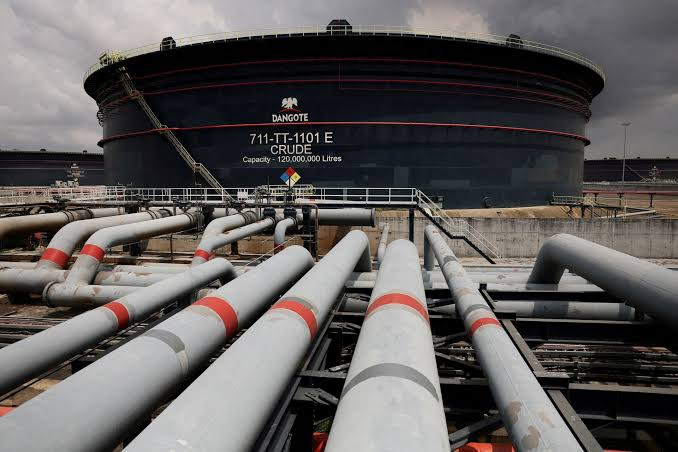
Stock bears no similarities with flow. A refinery can have 360 million or 440 million litres and still not be able to move enough of that fuel per day into trucks, depots, and stations across 36 states.
Nigeria's daily petrol consumption has ranged between roughly 35 million and 57 million litres depending on the month, and getting anywhere close to that volume out of one facility, through one export terminal in Lekki, is a logistics problem.
The Law That Still Allows Imports
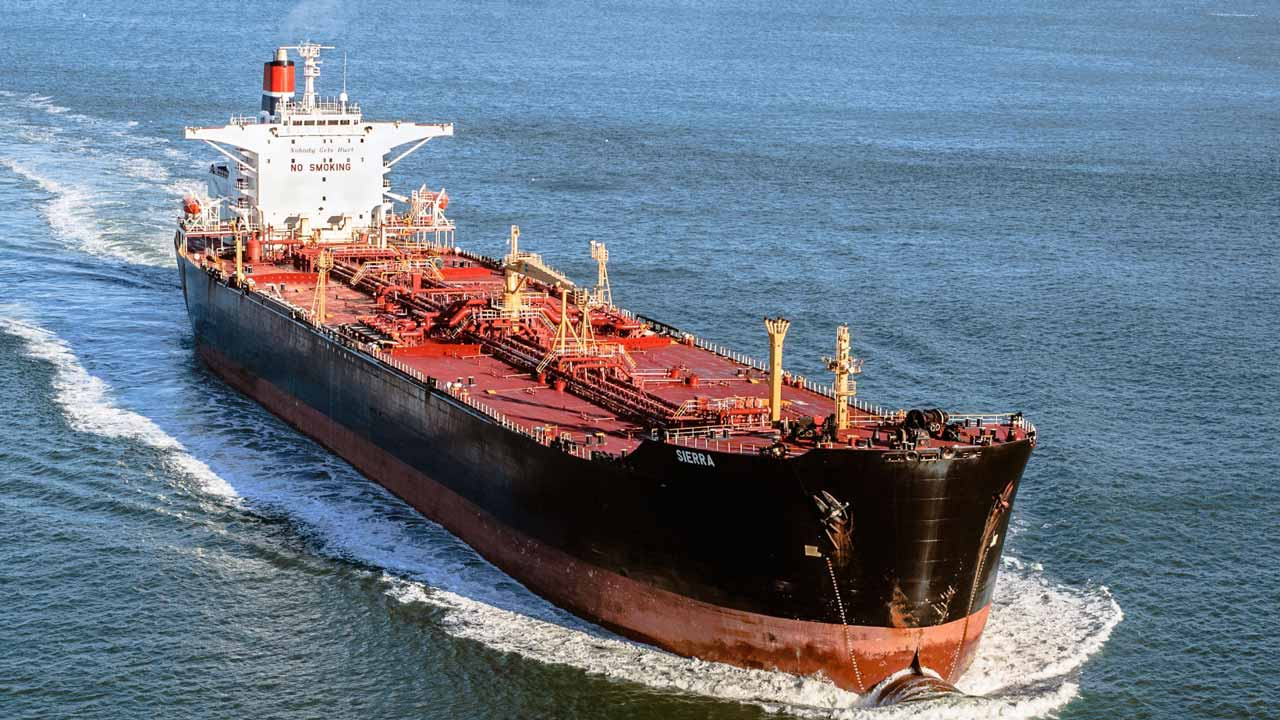
Nigeria's Petroleum Industry Act permits import licences only when local refining falls short of national demand. NMDPRA briefly suspended new petrol import licences earlier in 2026 and backed that up with a sufficient domestic supply from Dangote.
This suspension, however, did not put a total stop to imports; licences already issued remained valid and the regulatory body has acknowledged that the permits continued in practice even though local sourcing is encouraged.
Marketers holding those licences, along with NNPC, have kept bringing in cargoes, partly because pricing, credit terms, or delivery timelines from Dangote have not always matched what importers can secure elsewhere.
Stock Sufficiency vs Real-Time Supply

NMDPRA measures fuel security through a "stock sufficiency" benchmark of 30 days. This means the country is supposed to hold at least a month's worth of petrol in reserve nationwide at any given time.
For most of 2026, Nigeria has stayed below that threshold. It even hit sufficiency levels as low as 16 days in some months and only reaching the low twenties in others.
A refinery holding several hundred million litres helps that number, but it does not automatically clear the 30-day bar once spread across the country's actual consumption rate.
This explains why regulators keep authorising imports even when Dangote's tank farms look full on paper.
Officials are not just asking whether stock exists. They are asking whether that stock, plus everything else in the pipeline, covers a month of nationwide demand without a price shock or a queue forming at filling stations.
When the answer is negative, import licences stay active, regardless of how large a single refinery's inventory looks.
What Exporting Then Importing Really Costs
Dangote Refinery has also been exporting petrol and diesel even during months when Nigeria itself imported fuel. It shipped millions of litres per day abroad while marketers brought foreign products in through Lagos and other ports.
Seaborne petroleum product shipments out of Nigeria grew roughly sevenfold since 2023 according to the U.S. Energy Information Administration data, with exports reaching hundreds of thousands of barrels per day at points in 2026.
Economically, this is not automatically irrational. Export sales earn foreign exchange and are often priced in dollars, which matters for a refinery that still needs hard currency to service debt and buy equipment.
But for a country trying to build energy self-sufficiency, the optics and the arithmetic is not very logical: fuel refined from Nigerian crude leaves the country while imported fuel refined from someone else's crude arrives to replace it.
Nigeria pays shipping, insurance, and foreign exchange costs on both ends of that trade.
What Local Refining Was Meant to Solve
The entire promise of the Dangote Refinery was insulation from the naira-dollar exposure and supply shocks that decades of import dependence created.
Partial delivery on that promise still leaves Nigeria exposed to the same foreign exchange pressure the refinery was supposed to eliminate.
Exhausting available local stock before approving fresh import licences sounds like common sense, and CORAN, representing local refinery owners, has made exactly that argument publicly.
But regulators are managing narrow options: whether supply reaching consumers, not supply sitting in tanks, meets demand without triggering scarcity.
Until Dangote's daily output consistently clears national consumption with room to spare, imports will likely keep showing up in NMDPRA's monthly figures, stockpile or not.