Crisis Looms: Nigeria's Air Travel Faces Collapse Over Failing Radar
The Nigerian Airspace Management Agency (NAMA) warns that critical radar equipment is rapidly deteriorating, threatening air travel safety across West Africa. The aging TRACON system and financial pressures on NAMA raise concerns about meeting international safety standards and the broader impact on African aviation infrastructure.
Nigeria’s airspace is at risk as the Nigerian Airspace Management Agency (NAMA) warns that its radar system is close to failing.
The main system, called TRACON, was installed between 2008 and 2010 and was only meant to last about 10 years, and now, it is old and breaking down often, with few spare parts to fix it.
This raises serious safety concerns for air travel in one of West Africa’s busiest regions and shows that urgent action is needed.
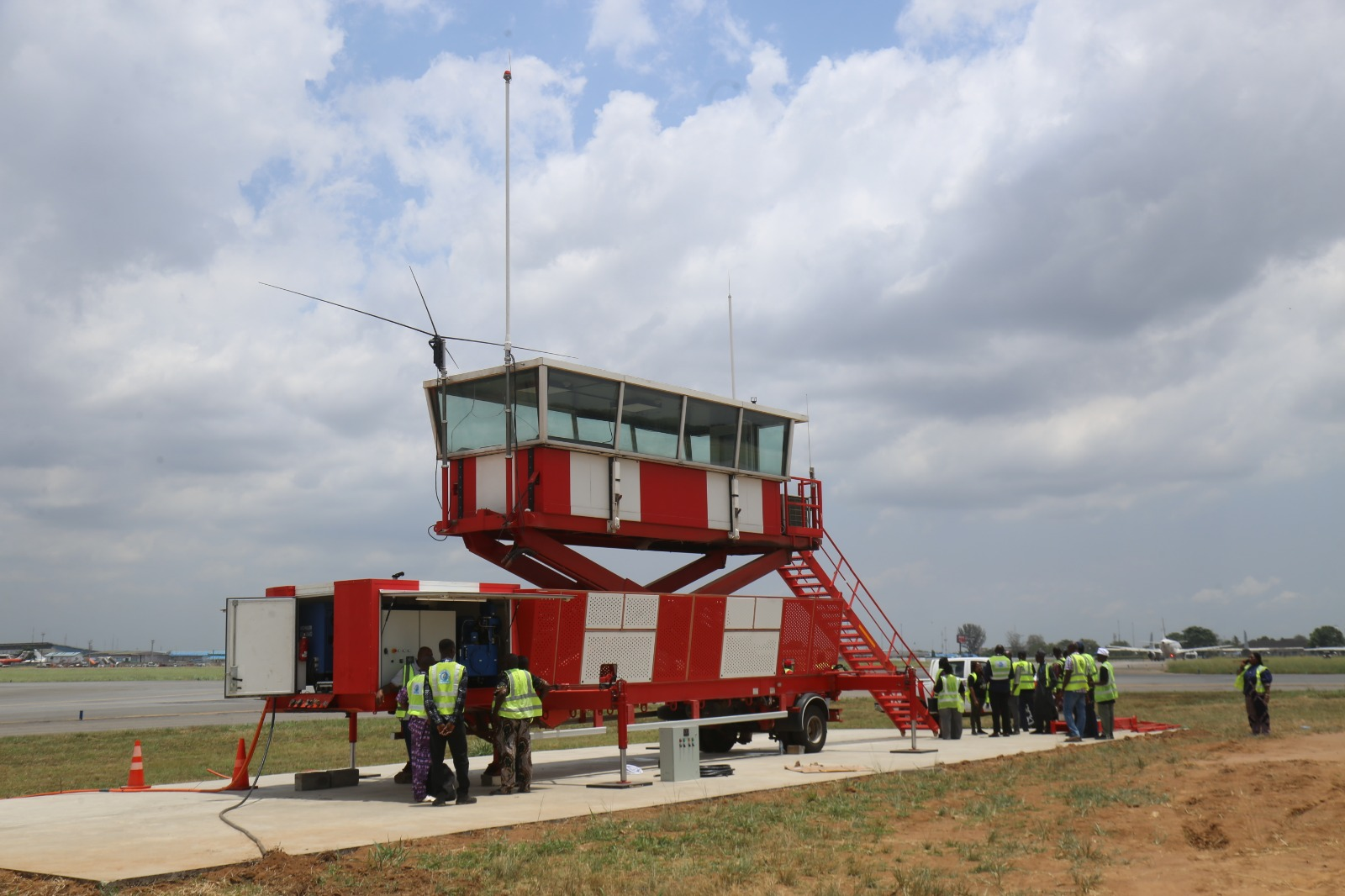
Nigeria’s air navigation system is under pressure, but because of many of the spare parts needed for its radar equipment are no longer available, making it harder to keep everything running smoothly.
As a result, some radar stations don’t have proper backup, which makes the whole system vulnerable.
If it fails, Nigeria could struggle to meet the safety standards set by the International Civil Aviation Organization, risking its global aviation status.
The TRACON system, launched in 2001 with Thales Group, connects nine radar sites and helps track aircraft in real time, but without upgrades, it is becoming outdated and unreliable.
At the same time, the Nigerian Airspace Management Agency is facing money problems. Its main source of income hasn’t increased since 2008, even though costs have gone up.
Debt, currency changes, and a 30% cut from its revenue make it even harder to maintain equipment and improve safety.
In short, without urgent updates and funding, Nigeria’s airspace system is at risk.
Nigeria’s aviation challenges show a bigger problem across Africa weak infrastructure is affecting air travel, and without reliable systems, flights get delayed, safety risks increase, and travelers lose confidence.
Permanent Secretary Mahmoud Adam Kambari says the government will improve teamwork in the aviation sector, fix key issues, train staff, and follow global safety standards.
He also wants regular meetings to make faster decisions and keep everything on track.
As African nations strive to establish themselves as competitive global tourism destinations, the robustness of their aviation infrastructure will be a decisive factor.
Nigeria's current situation emphatically underscores the urgent necessity for sustained investment in advanced air traffic management systems.
Travel businesses across Africa should closely monitor these developments, as they hold the potential to influence route viability, carrier reliability, and ultimately, the ease with which visitors access African destinations.
The coming months are pivotal for Nigeria's aviation authorities, as their response to this critical infrastructure challenge will likely shape the trajectory of the country's air transport sector for many years to come.