Ilaje, Itsekiri Leaders Reject Rerouting of Lagos-Calabar Coastal Highway
Leaders from the Ilaje and Itsekiri communities have united to oppose the rerouting of the Lagos-Calabar Coastal Highway from its original coastal path to an inland alignment. They dispute the government's reasons for the change, citing higher costs and longer distances for the alternative route. The communities are forming committees to engage authorities and consider legal action to restore the highway to its intended coastal corridor.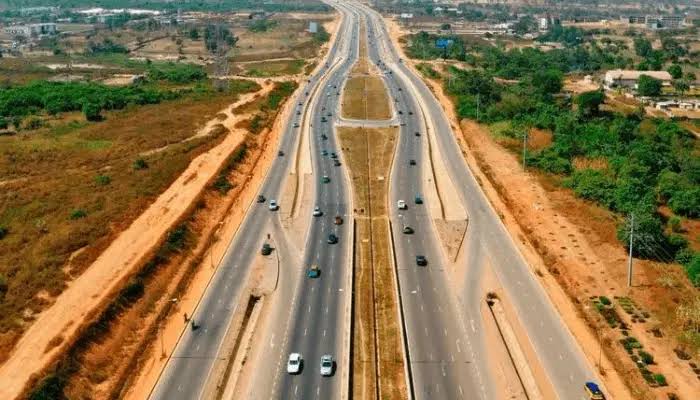
Leaders of thought from Ilaje communities in Ondo State and Itsekiri communities in Delta Statehave agreed to jointly oppose the alleged rerouting of the Lagos-Calabar Coastal Highway from the coastal corridor to inland communities.
The resolution was reached at a joint meeting held in Lagos on Saturday, September 19, 2026, and signed by Barrister Austin Nonen Oboroegbeyi and Comrade Amaechi Omagbitse for the Itsekiri ethnic nationality, and Dr Benson Enikuomehin, FCPA, and Dr Adeolu Austin Efotan for the Ilaje ethnic nationality.
The stakeholders called on the Itsekiri Nation to issue a clear statement rejecting what they described as the alteration of the highway’s original coastal alignment by the Federal Ministry of Works under Minister David Umahi, insisting that the road should retain its coastal character through communities in Ondo and Delta states before extending into other parts of the Niger Delta.
The position follows earlier concerns from lawyers and community stakeholders in Ondo State, who alleged that several Ilaje coastal communities had been bypassed as the route was diverted inland through parts of Edo State. Umahi has attributed the revised alignment to engineering investigations, saying the original coastal corridor presented difficult soil conditions, including deep peat deposits, as well as other technical challenges that could affect construction.
The Ilaje and Itsekiri stakeholders, however, rejected that explanation in their resolution, arguing that construction along the original coastal corridor would cost about ₦4 billion to ₦7.5 billion per kilometre, compared with an estimated ₦7.5 billion to ₦12 billion per kilometre for the alternative inland route; they also put the coastal stretch from Olosunmeta to the Itsekiri axis at about 100–110 kilometres, against 170–190 kilometres for the proposed inland route.
The groups further argued that the alternative route would involve difficult terrain and numerous bridges, while the coastal alignment would provide a more direct corridor through Olosunmeta, Araromi, Abe-Oroyo, Ogogoro, Ugbonla, Apata, Awoye, Ugbege, Oghoye, Orere, Agogboro and Ode-Ugborodo.
The controversy has intensified in recent weeks, with stakeholders separately listing communities including Ugbonla, Ilowo, Ilepete, Obe-Enikanoselu, Obe-Rewoye, Ikorigho, Jinrinwo and Awoye as areas they believe have been bypassed. At the Lagos meeting, the two groups also resolved to establish a tactical committee made up of representatives of both ethnic nationalities to engage the Federal Government and other authorities, while pursuing mobilisation, further representations and, where possible, legal action to press for restoration of the coastal alignment.