Business Anatomy Series(Part 8): Emzor, The Multi Million Dollar Pharmaceutical
Just how much does Nigeria’s quiet, multimillion-dollar pharmaceutical giant really make—and how does it manage to thrive in the hostile African business environment?
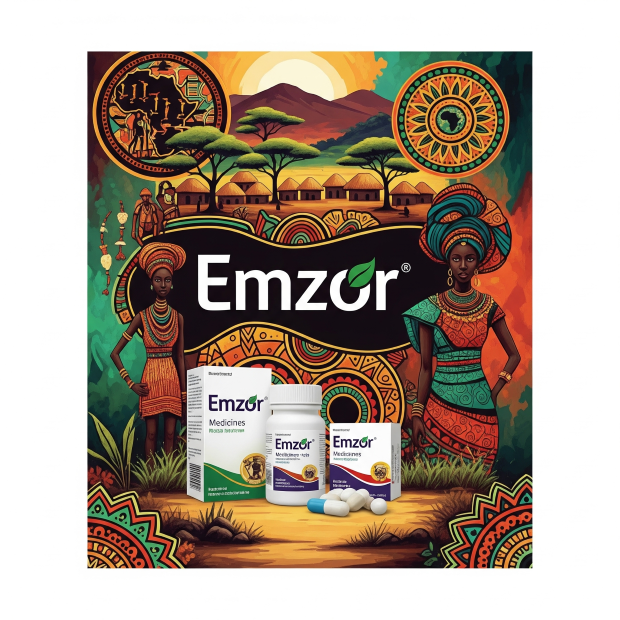
Humble Beginnings with a Bold Vision
Back in 1977, Dr. Stella Chinyelu Okoli opened a small pharmacy in Lagos, Nigeria. It was called Emzor Chemists Limited, and at first, it was just a single shop dedicated to helping the local community get the medicines they needed.
However, Dr. Okoli had a bigger dream. She didn’t just want to run a pharmacy, she wanted to build a fully Nigerian pharmaceutical company, one that could produce high-quality, affordable medicines for people across the country.
In addition to founding Emzor Pharmaceuticals, she established Emzor Wellness Foundation, which has launched initiatives such as a₦1 billion anti-drug abuse fund.

Image Credit: Nairametrics
By 1984, Emzor transitioned from retail and wholesale to full pharmaceutical manufacturing, incorporating officially as Emzor Pharmaceutical Industries Limited.
In 1985, it began pilot production, and by 1987, its first product, Emzor Paracetamol, hit the market and quickly became a household name across Nigeria and Sub-Saharan Africa. Based on proprietary estimates, the company’s annual revenue has ranged between $40 million and $50 million in recent years.
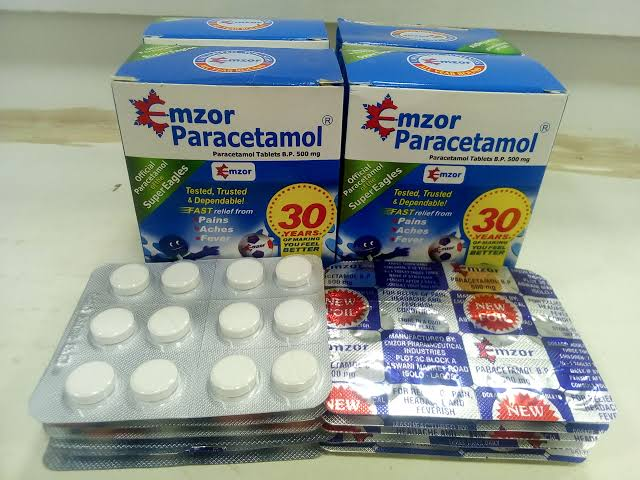
Image Credit: Drug Consult Pharm
Since those early days, Emzor has expanded into a major manufacturer of essential medicines. The company now produces over 100 pharmaceutical products, including analgesics, antibiotics, vitamins, anti-malarials, amongst others.
Its manufacturing footprint includes one of the largest pharmaceutical facilities in Africa, located on over 60 hectares in Ogun State, Nigeria.
In 2021, the company raised ₦13.73 billionthrough a corporate bond. These funds have allowed Emzor to invest more deeply in its infrastructure, research, and expansion into local value-added pharmaceutical production.
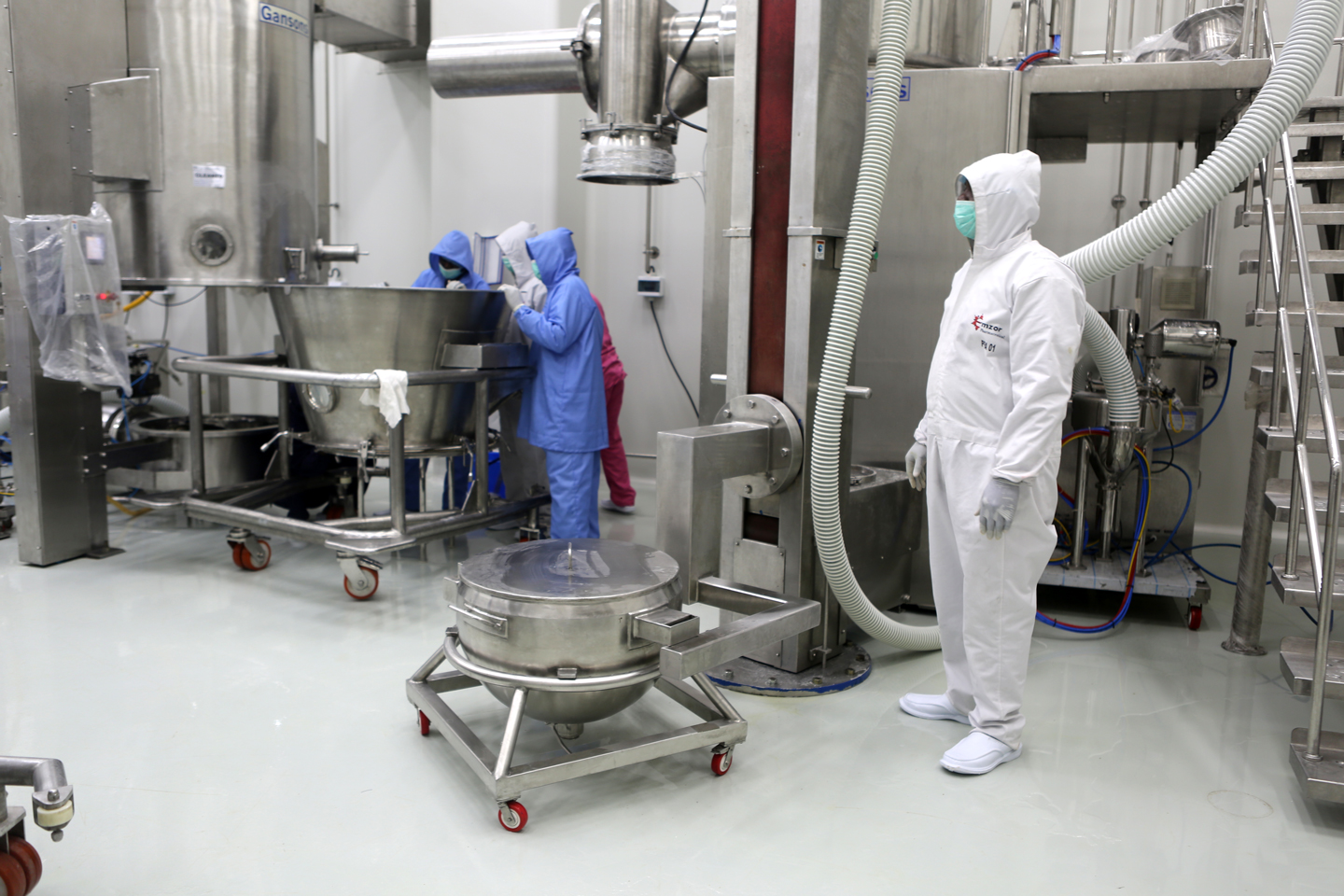
Image Credit: Emzor Pharmaceuticals
Strategic Positioning

Emzor’s customers range from everyday people to hospitals, pharmacies, clinics, government agencies, and export partners in other countries. Their products reach these customers through a wide network of distributors.
Fighting Import Dependency and Counterfeits
An API, or Active Pharmaceutical Ingredient, is the main part of a medicine that makes it work. It’s the chemical that actually treats the illness. For example, in a painkiller, the API is the part that stops the pain.
Right now, most of these ingredients are imported from other countries. But Emzor is building a new $23 million factory—the first of its kind in Sub-Saharan Africa, to make these ingredients right here at home. When it's finished in 2025, it will create about 500 jobs and help the country rely less on medicine imports.
Despite its progress, Emzor faces multiple systemic challenges typical of Nigerian and African manufacturers. One of the most persistent problems is the counterfeit drug crisis. They are however currently tackling this threat through the use of track-and-trace technology and a tightly managed distribution network, helping customers confirm the authenticity of the medicines they use.
Home Grown Challenges
The biggest expenses for Emzor are buying raw materials, paying for energy and staff, following government rules, marketing, repaying loans, and constantly upgrading technology.
On top of all this, Nigeria faces a big challenge: many skilled workers leave the country to work abroad. This “brain drain” makes it harder and more expensive for Emzor to hire and train good employees.
Rising operating costs also threaten profitability. The combination of volatile inflation, soaring energy prices, and exchange rate instability, especially since the floating of the naira, has increased production costs.
Even More Home Grown Challenges
Emzor’s growth story hasn’t been without setbacks. In 2018, a BBC investigation into the abuse of codeine-based cough syrup led to regulatory action, and one of Emzor’s plants was temporarily shut down due to documentation lapses.
Players in Nigeria’s pharmaceutical sector must also navigate legal and financial battles. In one high-profile case, Nova Merchant Bank filed a winding-up petition against Emzor Pharmaceutical Industries, claiming the company defaulted on a ₦6.2 billion loan facility.
According to court filings, the loan—granted in 2022, was intended to support Emzor’s raw material imports and working capital needs. The bank further claims that Emzor failed to meet repayment terms, despite multiple demand notices. While the case is ongoing, it highlights the dangers of loans and investments in building a business.
Conclusion: An African Enterprise Built to Endure
Emzor’s journey, from a small pharmacy in Lagos to a multimillion-dollar enterprise, is a powerful example of what African entrepreneurship can achieve. Over the years, it has created jobs, strengthened local manufacturing, and made safe, affordable medicines more accessible to millions.
Yes, Emzor has relied on loans and investments to grow, but its success shows what’s possible with vision, resilience, and the right support. So ask yourself: what’s stopping you from building your own version of Emzor? Whether it’s a tech startup, a community-focused business, or a small shop that solves real problems—don’t let fear or self-doubt hold you back. Every big idea starts small.