Border Fury: Thai-Cambodian Rift Deepens Amid Accusations and Stalled Talks
Thailand and Cambodia are embroiled in escalating border tensions, marked by mutual accusations of disinformation, alleged assassination plots, and ceasefire violations. Despite ongoing diplomatic efforts and recent agreements, both nations contend with historical grievances over territory, refugee settlements, and the deployment of landmines, necessitating continued dialogue for a peaceful resolution.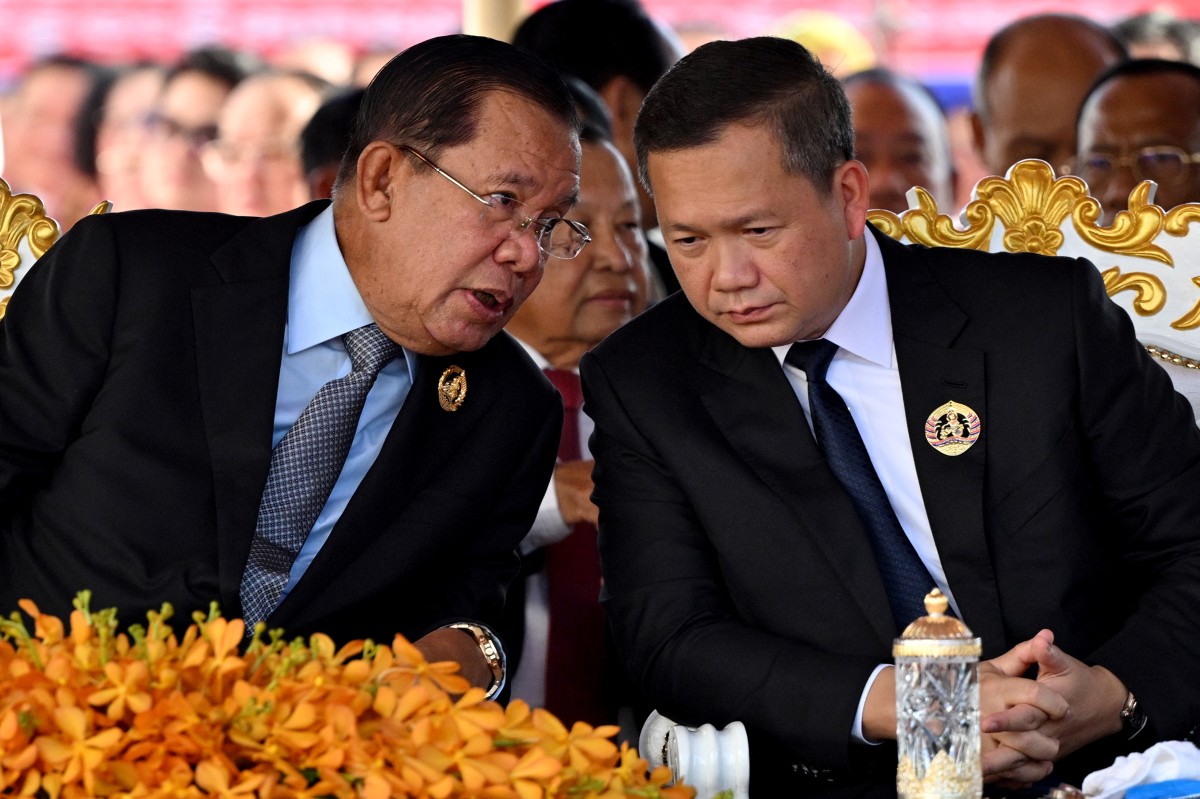
The relationship between Thailand and Cambodia is currently marked by significant border tensions, mutual accusations of disinformation, and ongoing disputes, despite diplomatic efforts and ceasefire agreements. A key point of contention involves recent claims from Cambodia’s Minister of Information, who, citing foreign intelligence, alleged that Thailand was planning to assassinate Cambodian leaders Hun Sen and Hun Manet. Thailand’s Ministry of Foreign Affairs, through its spokesperson Nikorndej Balankura, vehemently rejected these accusations, labeling them "entirely unfounded" and designed to "defame Thailand" and "derail ongoing diplomatic efforts," particularly during General Border Committee (GBC) discussions. Nikorndej emphasized that spreading false news during GBC talks serves no constructive purpose and undermines peaceful resolution.
Adding to the complexity, the Thai government has accused Cambodia of betraying its humanitarian aid and hospitality. Thai government spokesman Jirayu Houngsub recounted that Ban Nong Chan village in Sa Kaeo, initially a temporary shelter for Cambodians fleeing civil war in 1977, became a site of alleged encroachment. He stated that Cambodian refugees expanded their community on Thai soil, refusing to return home and forming what Thailand views as a "human wall" to provoke border tensions and infringe upon Thai territory. This historical grievance resurfaced with Cambodia’s pressure on Thailand to dismantle razor wire fences in the Ban Nong Chan area. Thailand insists these fences were erected within its boundaries to protect its territory from further encroachment and attacks, including landmines laid by Cambodian troops, and did not violate the conditions agreed upon during the General Border Committee’s meeting on August 7. The situation is further complicated by the fact that historical human rights obligations prevented Thailand from forcibly removing refugees who did not wish to return, a situation that has seen descendants of these refugees expand their settlements and claim the area as Cambodian sovereign land, while Cambodia continues to reject Thailand’s border demarcation claims.
Thailand has also publicly challenged Cambodia’s narrative regarding recent border clashes, accusing Phnom Penh of a "sustained disinformation campaign" actively undermining the peace process. Nikorndej Balankura from the Thai Ministry of Foreign Affairs described Cambodia’s pledge to uphold a bilateral ceasefire as "merely for public relations," citing actions contrary to their claims. He enumerated four alleged ceasefire violations by Cambodia: laying new landmines, harassment via drones, incitement of citizens to protest at the border, and the deployment of powerful improvised explosive devices (IEDs) on the Thai side of the frontier.
Despite these significant frictions, diplomatic channels remain active. Acting Prime Minister Phumtham has engaged with a delegation of four US lawmakers—two Republicans and two Democrats—who visited Thailand to follow developments in the region. Their discussions covered Thai-US relations, security concerns, economic issues, and investment opportunities. The US delegation, scheduled to observe the Thai-Cambodian border conflict zone in Ubon Ratchathani province, was accompanied by officials from the Ministry of Foreign Affairs and acted as temporary observers. Phumtham emphasized the need to "fight with truth, not through information warfare," to resolve issues peacefully, prioritizing the lives of people affected by the violence. He confirmed raising concerns about Cambodian landmine deployment and barbed-wire fences with the US delegation, stressing that addressing these issues was a priority over discussions on specific Memoranda of Understanding 43 and 44. Although both nations signed a 13-point ceasefire agreement during the General Border Committee meeting in Malaysia on August 7, provocations, fake news, and various forms of intimidation persist, indicating that achieving a lasting peace requires ongoing, truthful dialogue and adherence to agreements, with further talks anticipated on September 10.