Beyond GDP: What Africa’s Most Socially Progressive Countries Tell Us About Real Development
Have you heard of the Global Social Progress Index? This is a deep dive and insight into the 2026 Global Social Progress Index, examining Africa’s top-performing countries and what real development looks like beyond GDP.

What Does Progress Really Look Like?
Have you ever stopped to ask what progress actually means for a country?
Not in the way you're used to or the way politicians frame it—through GDP growth, stock market gains, or headline economic numbers—all that matters, but in the way it shows up in people’s daily lives.
Can people access clean water without stress? Are hospitals functional? Is education more than a privilege? Do citizens feel safe, free, and hopeful?
That is exactly the question the Global Social Progress Index (SPI) tries to answer.
Unlike the traditional development way of ranking that usually prioritizes income and economic output, the Social Progress Index focuses strictly onnon-economic wellbeing.
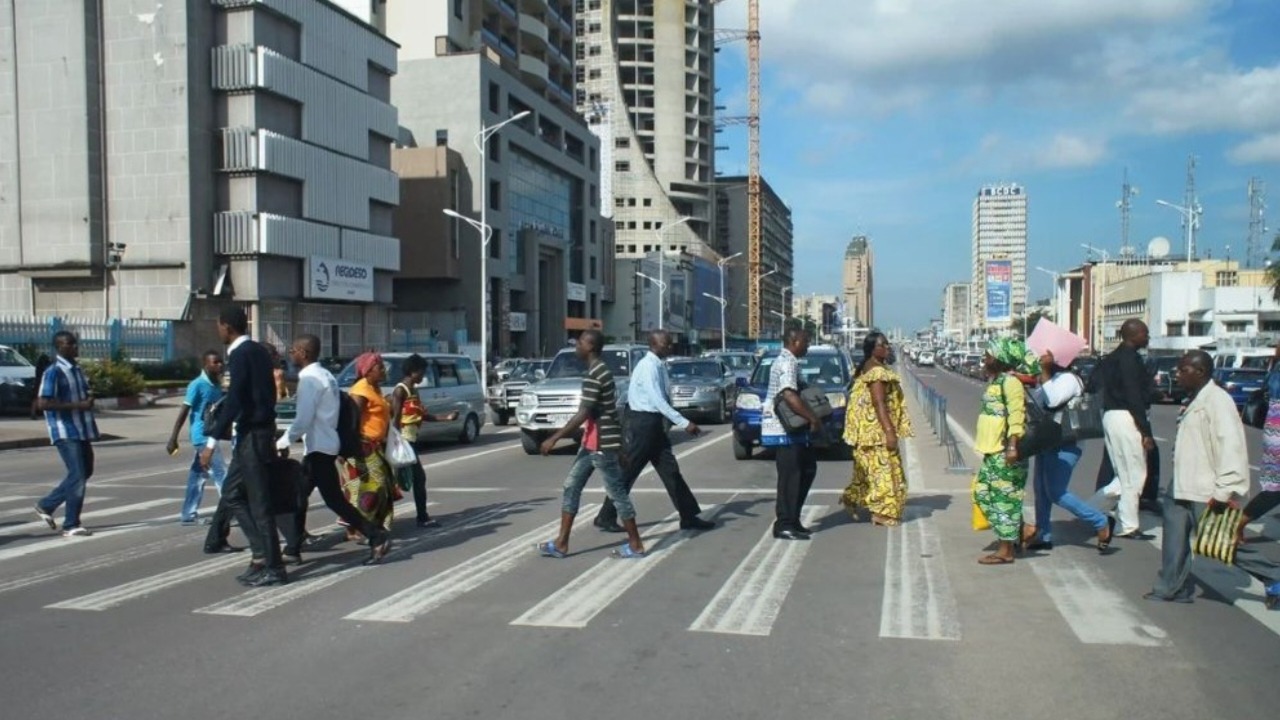
It asks whether societies are meeting people’s basic needs, building foundations for long-term health and education, and creating opportunities for individuals to thrive, regardless of income level.
The 2026 edition of the index covers 171 countries, representing more than 98% of the world’s population, and evaluates them across 57 social and environmental indicators grouped into three dimensions: Basic Human Needs, Foundations of Wellbeing, and Opportunity.
For African countries, this ranking matters deeply and would be very personal to the heart of the average African.
It shifts the conversation from “how fast is the economy growing?” to “how well are people actually living?” And in a continent often reduced to economic statistics and crisis narratives, the Social Progress Index offers a more human lens.
The Top 10 Most Socially Progressive African Countries in 2026
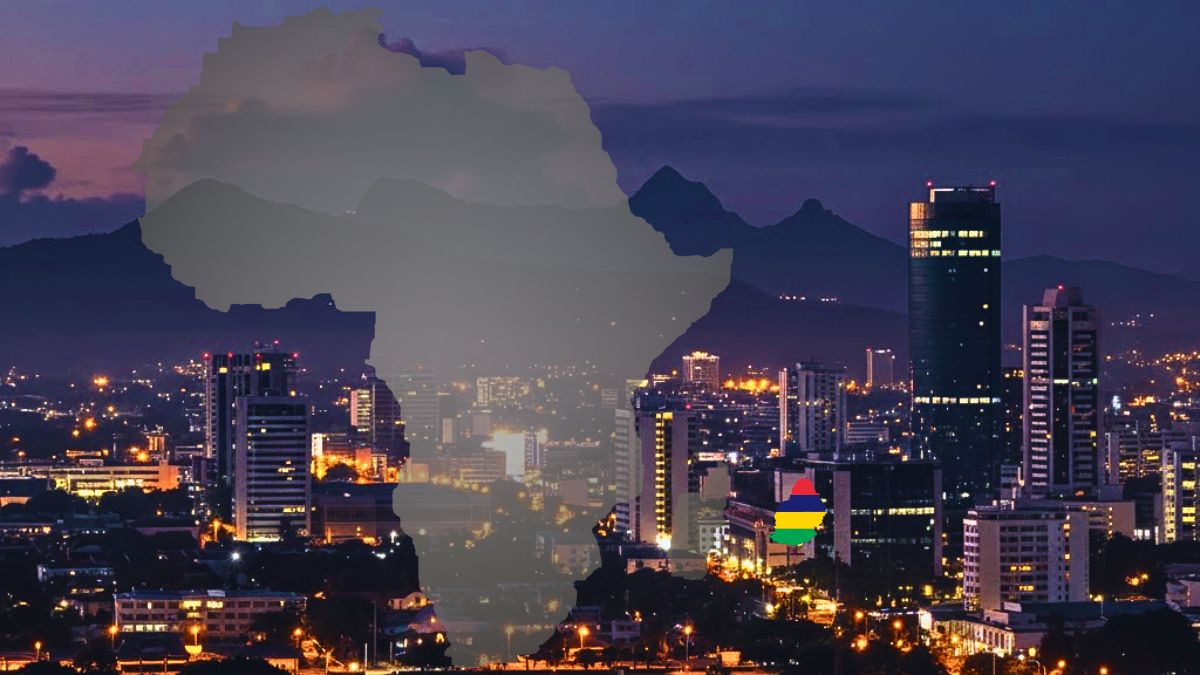
In 2026, Africa’s social progress shows steady improvements in access to education, healthcare, and basic services, but the gaps remain visible, especially in opportunity, safety, and personal freedoms.
Still, some countries stand out.
Social Insight
Navigate the Rhythms of African Communities
Bold Conversations. Real Impact. True Narratives.
1. Mauritius (Score: 72.28, Global Rank: 56)
Mauritius leads Africa in social progress index ranking. Its strong performance is driven by near-universal access to clean water, sanitation, electricity, and healthcare.
The country’s relatively stable institutions and consistent social investment continue to translate into real quality-of-life outcomes.
2. Algeria (67.62, Rank: 79)
Algeria scores well on basic services such as housing and public healthcare, reflecting decades of state-led social spending.
However, opportunity indicators lag, weighed down by youth unemployment, limited personal freedoms, and gender disparities.
3. Tunisia (66.53, Rank: 89)
Tunisia performs strongly in education and healthcare access, with notable gender parity in schooling.

Still, political uncertainty, declining freedoms, and high youth unemployment weaken its opportunity dimension.
4. South Africa (66.25, Rank: 91)
South Africans benefit from broad access to basic infrastructure, water, electricity, sanitation, and education.
But crime, inequality, and unemployment significantly drag down personal safety and opportunity scores.
5. Cape Verde (65.79, Rank: 94)
Cape Verde continues to punch above its income level. Political stability, effective governance, and social cohesion support strong outcomes in basic needs and personal safety.

6. Morocco (63.19, Rank: 99)
Morocco has made steady progress in electricity access, healthcare coverage, and primary education, particularly in urban areas.
However, rural disparities and opportunity gaps remain.
7. Botswana (62.96, Rank: 100)
Botswana’s score reflects long-standing political stability and relatively strong institutions, though social inequality and health challenges still shape outcomes.
8. Libya (60.43, Rank: 104)
Years of conflict continue to undermine Libya’s social progress.
While basic services exist in some regions, inconsistency, insecurity, and limited opportunity weigh heavily.
Social Insight
Navigate the Rhythms of African Communities
Bold Conversations. Real Impact. True Narratives.
9. Namibia (60.06, Rank: 106)
Namibia performs moderately across basic needs, with environmental quality standing out due to conservation efforts. Inequality remains a persistent challenge.
10. Ghana (59.35, Rank: 107)
Ghana shows solid access to electricity, clean water, and education, supported by civic participation and democratic traditions. However, economic pressures affect wellbeing outcomes.
Why does this list matter and what does this Africa’s most socially progressive countries yell us about real development?
It's simple; it highlights that social progress is possible at different income levels, and that policy choices, governance, and inclusion matter as much as wealth and visibile infrastructural development.
Why We Don’t Talk About This Enough
I’ll be honest, I didn’t know much about the Global Social Progress Index until recently.
I stumbled on it while searching for unrelated information online, and that alone said something important to me.
We often talk endlessly about GDP, inflation, exchange rates, and foreign investment, but far less about whether people are actually living better and I have come to realize that a true country's show of growth is seen in the strength of its middle class.
The Social Progress Index forces an uncomfortable reflection that we must all ponder on. It shows that a country can grow economically while failing socially.
It also proves the opposite: that countries with modest incomes can still deliver dignity, safety, and opportunity to their citizens.
In Africa especially, this reframing matters, too often, progress is measured in megaprojects and growth percentages, while everyday realities, crowded hospitals, inaccessible education, unsafe streets are normalized.
The SPI reminds us that development is not abstract and it must be felt firsthand by the citizens of any country.
It’s whether a child can learn without disruption, whether healthcare is reliable, whether freedom and national security feels real.
It also exposes trade-offs, countries may succeed in providing basic services but fall short on personal freedoms, others may excel in stability but struggle with inequality.
Social Insight
Navigate the Rhythms of African Communities
Bold Conversations. Real Impact. True Narratives.
Social progress is layered, complex, and deeply political, even when stripped of economic metrics.
Perhaps the most powerful thing about the index is what it quietly demands: accountability and true reforms, not just from governments, but from how we, as citizens and observers, define success.
Reimagining What Progress Looks Like, One Metric at a Time
The 2026 Global Social Progress Index doesn’t claim to have all the answers about progress. But it gives a good insight and asks better questions.
By centering people instead of profits, wellbeing instead of wealth, it challenges long-held assumptions about what development should really look like, especially for African nations navigating growth, inequality, and global scrutiny.
Mauritius topping the list is not just a statistic; it’s evidence that consistent social investment works.
The broader rankings show that progress is uneven, fragile, and shaped by choices, not destiny.
And I believe that if we paid as much attention to social progress as we do to economic headlines, our conversations about Africa and the future we imagine for it, might look very different.