Bespoke Power: African Tailors Are The World's True Masters of Sustainable Style
While the world chases slow fashion, Africa proves it has been living it for generations. The ultimate sustainable lifestyle is a timeless tradition; the African Bespoke garment.
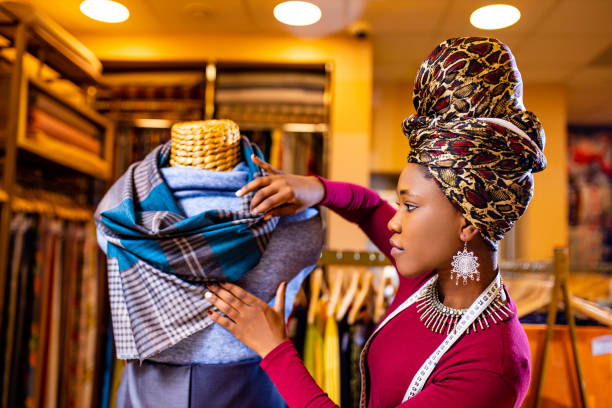
The global fashion conversation is constantly chasing the next ethical trend: capsule wardrobes, upcycling, carbon neutrality. Meanwhile, in cities from Lagos to Lusaka, the ultimate in sustainable, anti-waste lifestyle choices has been par for course for generations: the simple, powerful act of saying, "I will have this made for me."
Powered by the hands of tailors and designers, the African bespoke tradition is more than a quirky local custom; it's a mature, custom-built system that the world's highly-polluting fast-fashion industries are now scrambling to emulate.
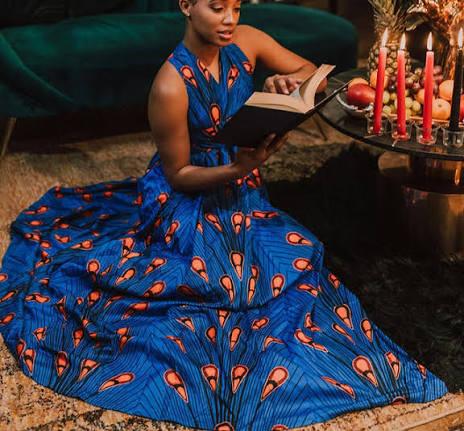
History of the Perfect Fit
For most Africans, the experience of fashion was never defined by the anonymity of the retail rack but by the intimate ritual of the tailor's consultation: the clatter of the sewing machine, the specific way the tape measure hits the hip, and the shared vision for an outfit that must endure weddings, naming ceremonies, and holidays.
Unlike the West, where bespoke is reserved for elite luxury, here it is democratized. Tailoring isn't niche; it's history, and it is the economic backbone of how millions dress. Even today, the custom-made apparel industry in Nigeria generates billions of dollars, proving that the tailor is a central, and often overlooked, economic actor.
Anti-Waste, By Default
The bespoke model is an inherently sustainable system because it's founded on intentionality and precision. Fast fashion is based on mass production and planned obsolescence, making clothes cheap enough to be discarded in record time, contributing 8–10% of global carbon emissions. The local tailor operates on the diametrically opposite premise:
Zero Inventory: No clothes are built until an order is placed. This approach removes huge amounts of waste from unsold stock.
Precision and Longevity: This garment is cut exactly on the client's size and body, so it fits perfectly, and is worn more often and for far longer. This is opposite from the "buy-and-replace" mentality.
Upcycling and Repair: The tailor's shop is often a center for mending and repair, extending clothes through generations and making clothing longevity a shared family value.
Therefore, the modern African designer is not adopting a "slow fashion" trend; they are scaling up a deeply ingrained cultural practice that happens to be eco-friendly.
Social Insight
Navigate the Rhythms of African Communities
Bold Conversations. Real Impact. True Narratives.
A Fit is a Political Statement
The tailor is that kind of necessary validation for African bodies, where global sizing so often fails to account for curves, height, and diverse proportions. It's a point of very powerful identity and one of resistance: a garment made for your body is a refusal to fit into often-Eurocentric sizing norms.
Young Africans, especially Gen Z and millennials, are leaning into this: from behind-the-market artisans, tailors become rebranded designers and storytellers. They co-create their wardrobes by choosing the Ankara fabric, adjusting the silhouette, and asking for pockets-in essence, full control of their consumption choices, fusing traditional textiles with modern, sophisticated cuts.
The Tailor as Therapist

The relationship between the client and the tailor is deeply human; it's about trust, consultation, and negotiation-what designers call "co-creation."
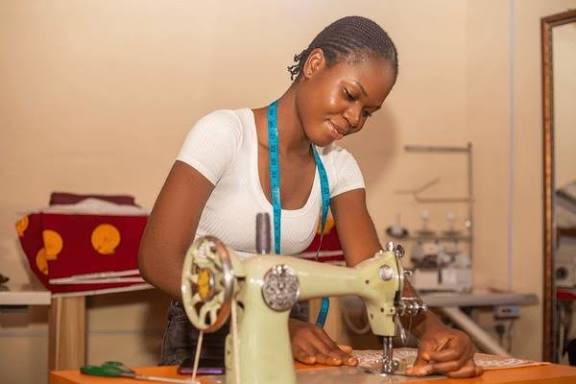
This is not a mere transaction but a process of collaboration in which the tailor also acts as an artisan, stylist, and sometimes even a therapist to make sure the final piece will fit the image the client has in mind for that important occasion.
But this tradition faces brutal modern challenges: inconsistent power supply, expensive imported equipment, and competition from cheap Chinese-dominated textile imports make every day a struggle for tailors and designers.
Many talented artists lack the formal business and scaling skills to make their craft into a global brand. This means that while the creativity is boundless, the infrastructure needed to turn the cultural power into economic power is still catching up.
Africa as the Next Creative Hub
The unique tradition of customization can be leveraged to position Africa as the next creative economy powerhouse of the world. The rest of the world is just beginning to explore business models based on reuse and longevity. In this, too, African fashion is well-placed to take up a leadership mantle for sustainability.
What needs to be done now is to provide the necessary support: funding for better equipment, business training for tailors, and infrastructure that cuts the cost of power and logistics.
If Nigeria's fashion industry, which already contributes significantly to GDP, formalizes and scales this sustainable practice, then the continent’s goal of reaching a $50 billion industry is not just ambitious but inevitable.
Social Insight
Navigate the Rhythms of African Communities
Bold Conversations. Real Impact. True Narratives.
The Lasting Stitch
The African tailor is stitching more than cloth; they are stitching together sustainability, culture, and economic independence-a proof that the most revolutionary solutions are often found not in new technology but in the wisdom of old, reliable hands