ATMs Used to Be the Easiest Way to Get Cash in Nigeria. What Happened?
Nigeria's ATM network faces growing competition from POS agents as customers prioritise fast, reliable cash withdrawals over queues and failed transactions.
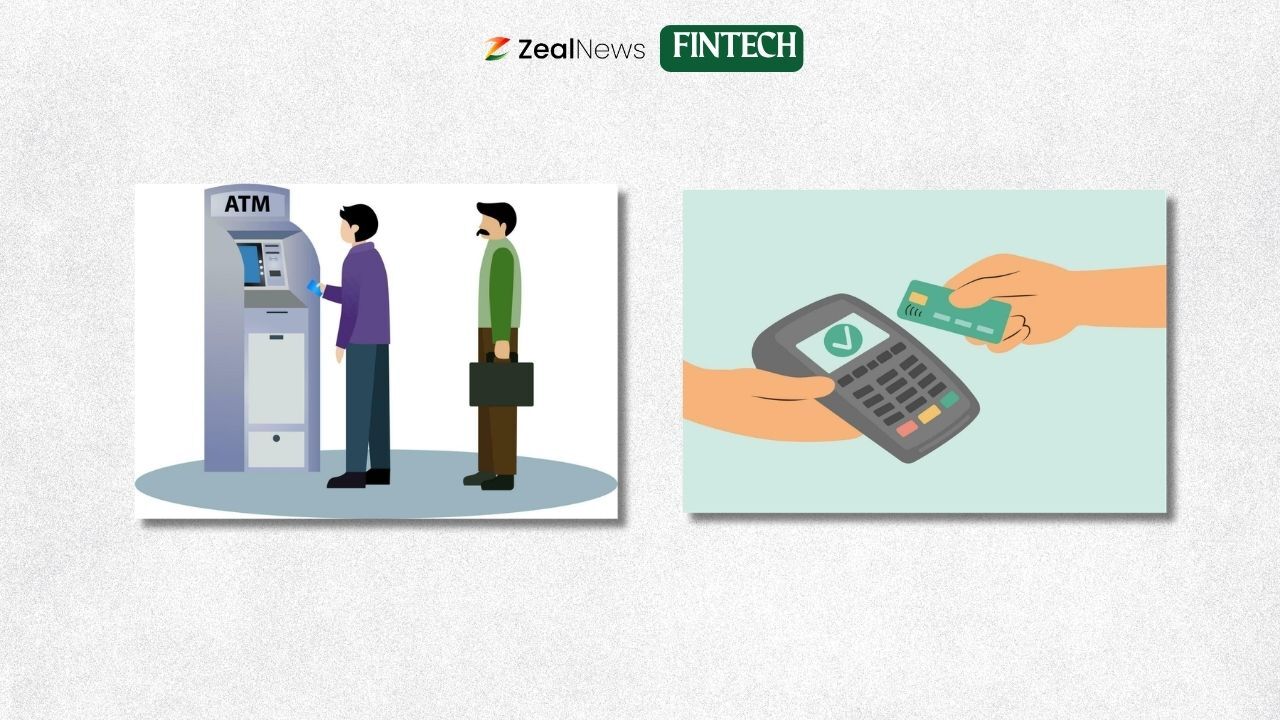
There was a time when needing cash meant finding the nearest bank or ATM, joining a queue, and hoping the machine had enough money to dispense. ATMs made banking more convenient because you no longer had to enter a banking hall and wait to withdraw your own money over the counter. You could get cash outside regular banking hours, check your balance, and complete basic transactions without speaking to anyone.
For a while, the ATM was one of the most dependable symbols of modern banking. Then, slowly, withdrawing money became an exercise in patience.
Sometimes, you would insert your debit card, enter your PIN, select your withdrawal amount, and wait, only for the screen to announce that the machine had insufficient cash. Other times, the transaction would fail after your account had been debited, or your card would get trapped inside the machine.
And if you were unlucky enough to visit on a busy day, you could spend a considerable part of your afternoon waiting to withdraw a relatively small amount. The ATM offered convenience, but it could also turn a simple errand into an unwanted adventure.
Then POS Operators Changed the Whole Experience
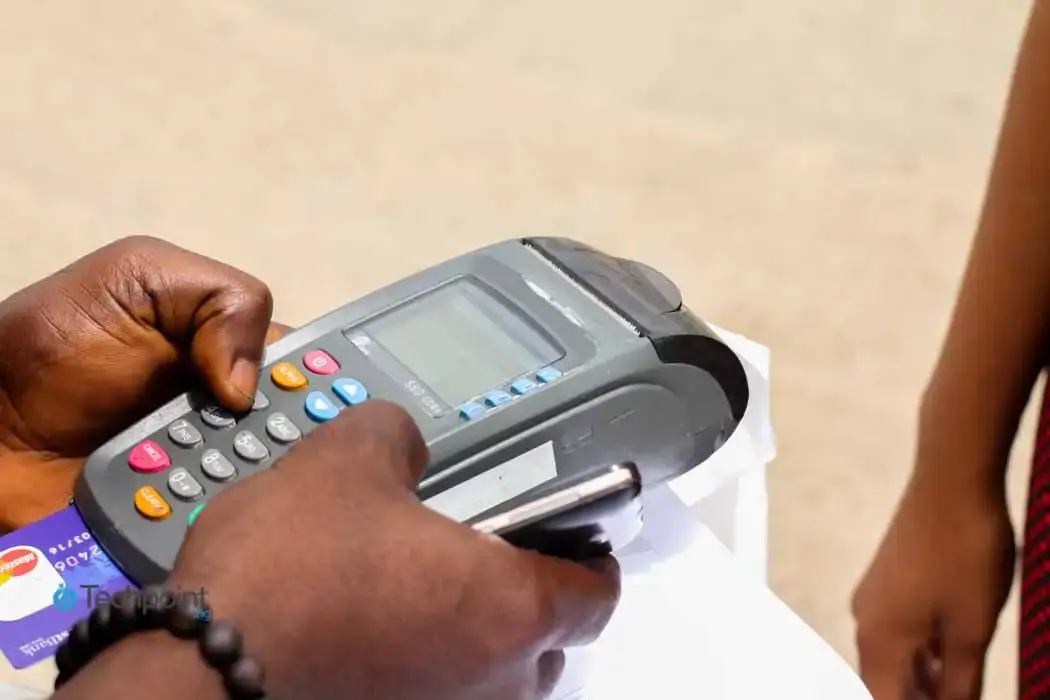
POS agents offered something many bank ATMs struggled to provide consistently: quick access to cash. Instead of walking to a bank or standing behind a long queue, you could walk to a kiosk around the corner, withdraw your money, and continue with your day.
The service came with a fee, often starting around ₦100, but paying a little extra seemed reasonable when it saved transport costs, waiting time, and the possibility of leaving empty-handed.
There was also the comfort of knowing your card remained with you. If a transaction failed, you could try again or use another payment method without worrying about a machine swallowing your card.
POS agents were not perfect, and their charges became expensive at some point, especially during the cashless policy under the then Buhari administration, and in some instances of frequent withdrawals. Yet they built their businesses around accessibility and speed, two things customers had increasingly struggled to get from ATMs.
The 2023 naira redesign and ensuing cash shortage accelerated this shift. As Nigerians struggled to obtain cash from banks and ATMs, POS operators became an important alternative, sometimes charging substantial premiums because physical cash itself had become scarce. When the crisis eased, many customers had already developed a new habit: finding a nearby agent instead of searching for a functioning ATM.
Why Queue at an ATM When There Is POS Next Door?
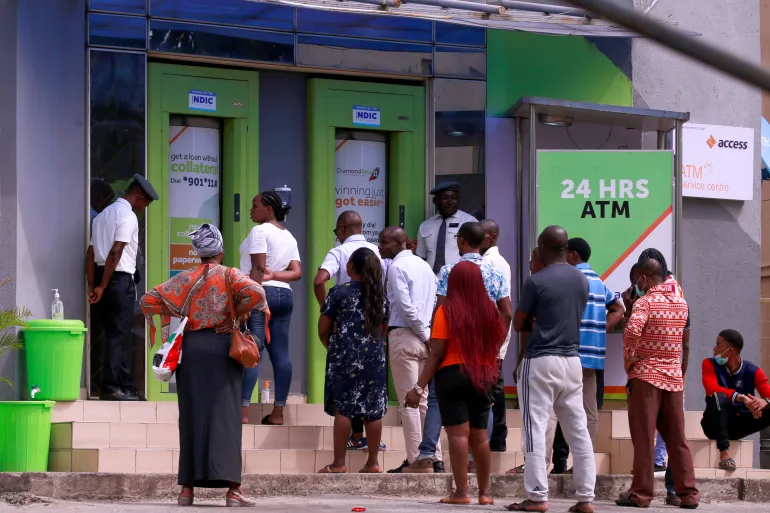
Walk through a busy market or transport hub and the competition becomes visible. You might find several ATMs around a bank, filling station or shopping centre, yet see even more POS operators serving customers nearby. One offers the possibility of a free withdrawal if you use your bank's machine; the other offers speed for a service fee.
For someone withdrawing ₦10,000, paying ₦200 to a POS agent may feel like a fair exchange for avoiding a long queue, transport expenses or an uncertain transaction. The decision is not necessarily about which service is cheaper on paper. It is about the total cost of getting cash: money, time, stress and the risk of a failed transaction.
The Central Bank of Nigeria has recognised the operating costs behind ATM services. Since March 2025, withdrawals from a customer's own bank ATM have remained free, while withdrawals from other banks' machines attract regulated charges, with additional surcharges permitted for off-site ATMs. The CBN said the revised fees were intended to help address rising costs and encourage ATM deployment.
But installing more machines will not automatically bring customers back. Banks must keep them stocked, powered, connected, and functioning. Customers also need confidence that a failed transaction will be resolved promptly. A machine that exists on paper but repeatedly disappoints people is not meaningful access to cash.
Can the ATM Become Dominant Again?
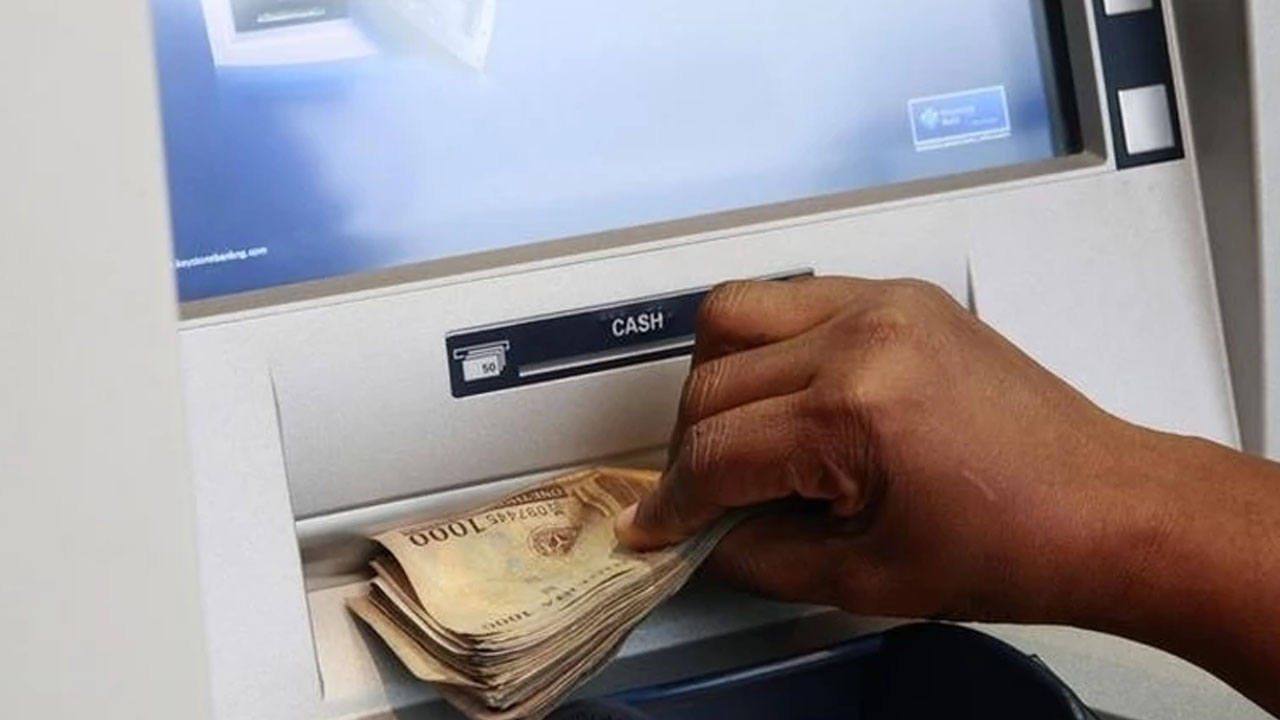
ATMs still have advantages. They can dispense larger sums, provide round-the-clock access, and allow customers to withdraw without paying a POS operator. For people who prefer dealing directly with their banks, they remain useful.
POS agents, meanwhile, provide convenience but depend on having enough cash available, and their charges can add up for people who withdraw frequently.
The future does not have to be a contest in which one channel eliminates the other. Banks can improve ATM reliability while expanding partnerships with agents, particularly in communities where maintaining a machine is expensive. Regulators can set standards, but those standards must translate into working machines rather than compliance reports.
Perhaps the ATM does not need to reclaim every customer it once served. It needs to become dependable enough that people choose it because it works, not merely because it is the only option available.
Until then, the POS operator down the street will keep collecting that ₦200, and customers will keep paying for the convenience their banks have struggled to provide.