In This Nigerian Community, Men and Women Speak Different Languages but Understand Each Other Perfectly
Ubang, Nigeria, is known for its unique gender-based language system, where men and women use different words for everyday objects while understanding each other, as English and Nigerian Pidgin threaten its preservation.

Imagine sitting in a Nigerian home where a husband asks for information about something or even requests help, with his wife responding, and neither person uses the words the other would normally choose. They speak completely different languages and continue their conversation without confusion, translation, or argument.
It sounds like a scene from a film. Still, in Ubang, a farming community in Obudu Local Government Area of Cross River State, southern Nigeria, this unusual linguistic tradition is part of everyday life.
Men and women use different words for many of the same things, yet they understand each other perfectly. The community's language has attracted attention from linguists and anthropologists because its differences go far beyond the variations in speech people commonly associate with gender.
One Community, Two Sets of Words
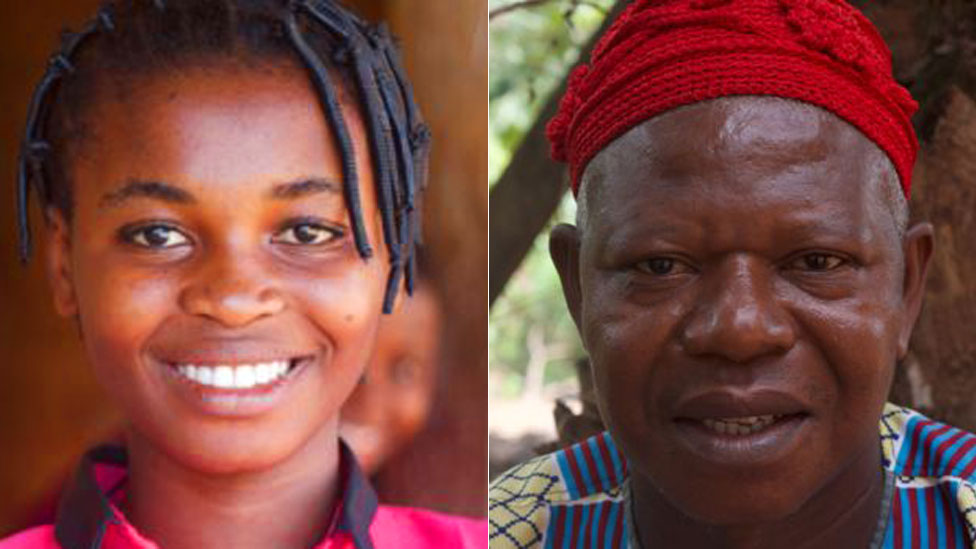
Ubang belongs to the Bendi language group, within the Niger-Congo language family. Its distinctive feature is the existence of male and female speech varieties with substantially different vocabularies.
For example, the word for dog is abu in men's speech and akwakwe in women's speech. Water is bamuie for men and amu for women, while clothing is nki for men and ariga for women.
The differences are not simply different accents or ways of pronouncing the same word. In many instances, the words have different sounds and no obvious shared roots.
However, the claim that men and women use completely separate languages without any overlap would be misleading. Anthropologist Chi-Chi Undie has described the system as resembling two different lexicons, explaining that some words are shared while others differ considerably according to the speaker's gender. The distinction is extensive, but it does not mean every word is different.
Linguists describe this phenomenon using terms such as gender-based language varieties and gender diglossia. A lexicon is the vocabulary of a language, while diglossia generally describes the use of distinct language varieties in particular social contexts.
In Ubang, the term gender diglossia helps explain how men and women consistently use different vocabulary systems within the same community. Researchers have studied not only the words themselves but also the social expectations that help keep the distinction alive.
How Children Learn Which Words to Use
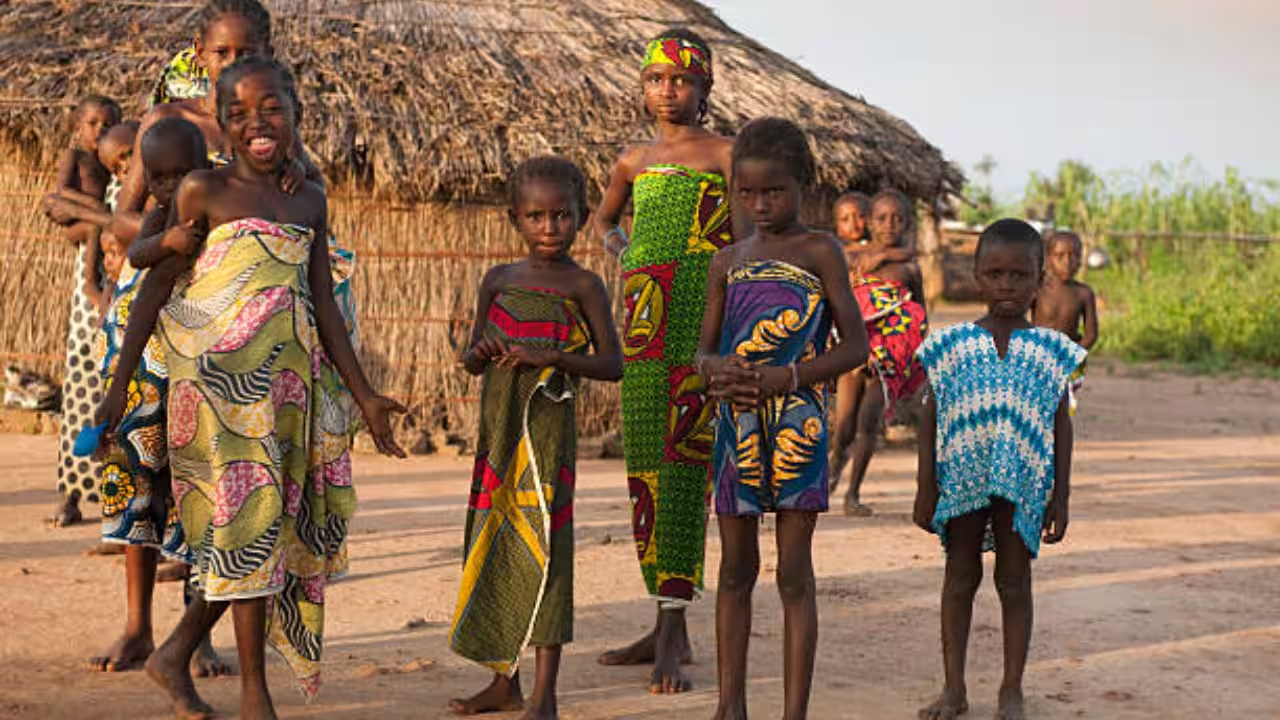
The interesting part begins in childhood. Boys and girls initially learn the female speech variety, largely because of their early interactions with their mothers and other women who care for them.
As they grow, however, children are expected to learn the variety associated with their gender. Boys generally begin transitioning to men's speech at around age ten, although the precise timing can vary. Fathers, older men and other members of the community help reinforce the expected vocabulary.
This is not simply a matter of children memorising a list of words for school. Language is passed down through daily conversations, family relationships and community expectations.
Boys gradually learn which expressions belong to men's speech, while girls continue developing the female variety. The process demonstrates how language can become a marker of identity, belonging and cultural expectations, rather than merely a tool for communicating information.
What makes the arrangement particularly fascinating is that people can communicate across the divide without adopting the other variety. A man can use his word for water while speaking to a woman who uses an entirely different word, and both understand what is being discussed.
Culture
Read Between the Lines of African Society
Your Gateway to Africa's Untold Cultural Narratives.
The system does not require one person to translate every sentence for the other. Instead, both speakers possess the shared knowledge needed to interpret the conversation.
A Tradition Facing a Different Kind of Silence
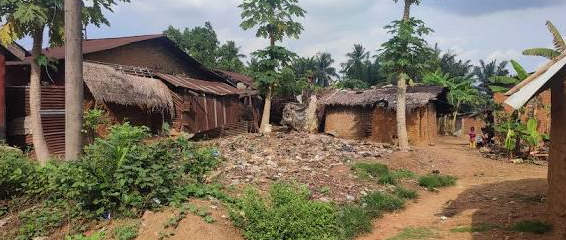
Ubang's linguistic heritage has survived across generations, supported by family life, cultural expectations and the community's continued use of its traditional speech. But survival is not guaranteed simply because a language has endured for centuries.
English and Nigerian Pidgin increasingly dominate many educational, commercial and wider social settings. Young people who leave their communities for school, employment or life in larger cities may have fewer opportunities to use their traditional vocabulary.
And without deliberate transmission, documentation and everyday practice, words that once came naturally to children could become unfamiliar to the next generation.
Researchers have recommended documenting Ubang's vocabulary and speech patterns while supporting community-led efforts to preserve and transmit the language.

This could include recordings of conversations, carefully compiled word lists, and opportunities for younger speakers to learn from older generations.
The story of Ubang is more than an interesting fact about a Nigerian community. It reminds us that language carries histories, identities, and ways of organising social life that may not be obvious to outsiders.
If a language can survive generations through everyday conversation, what happens when those conversations gradually move into English or Nigerian Pidgin? The challenge is not to prevent people from learning other languages, but to ensure that learning new ones does not mean losing the words their community has carried for generations.