Another COVID-19? What the Hantavirus Scare Reveals About a Post-Pandemic World
A hantavirus outbreak aboard the MV Hondius sparks global concern, revealing gaps in disease surveillance and why post-pandemic vigilance still matters.
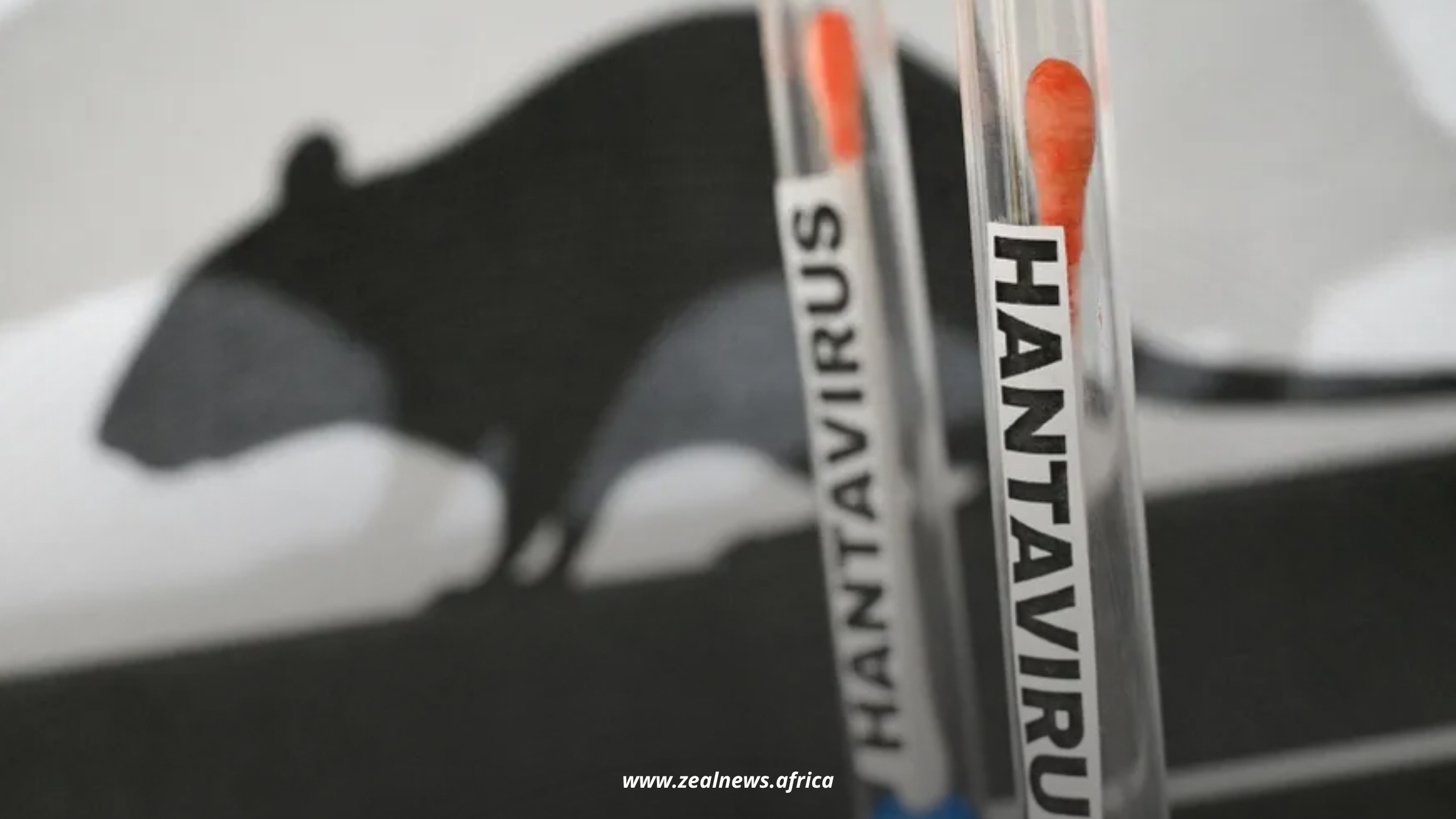
It started quietly. A few passengers on a cruise ship complained of fever, headaches, stomach pain. Days later, people were dead.
By the time the MV Hondius anchored off the coast of Cape Verde in early May 2026, three people had died and health officials across multiple continents were on high alert.
The virus responsible is called the Hantavirus. This is a name that most people outside of scientific circles have never heard, but one that is now demanding serious attention.
This is not a repeat of COVID-19 but it is a reminder that in a world still raw from a pandemic, every new outbreak carries weight.
What Exactly Is Hantavirus?
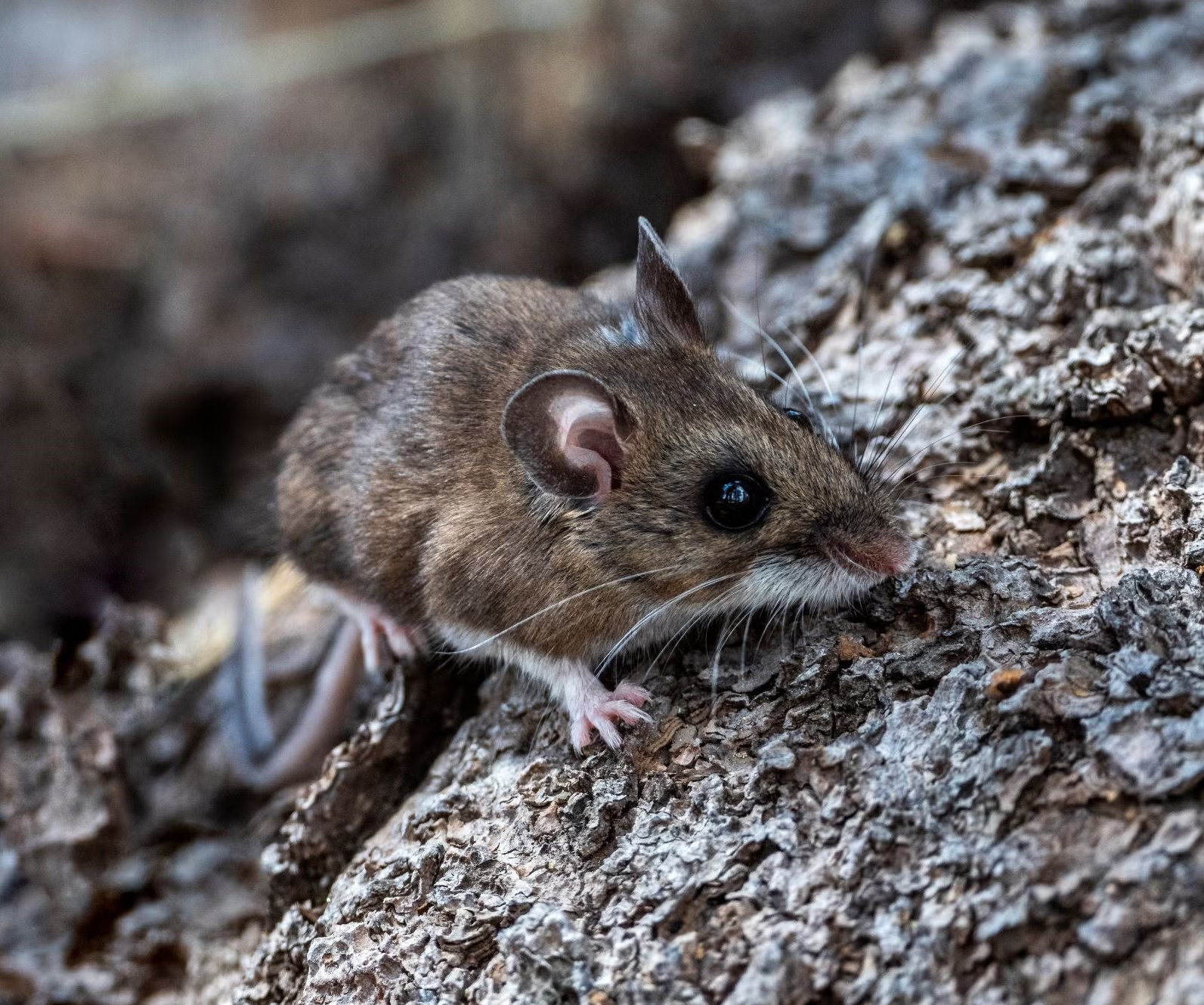
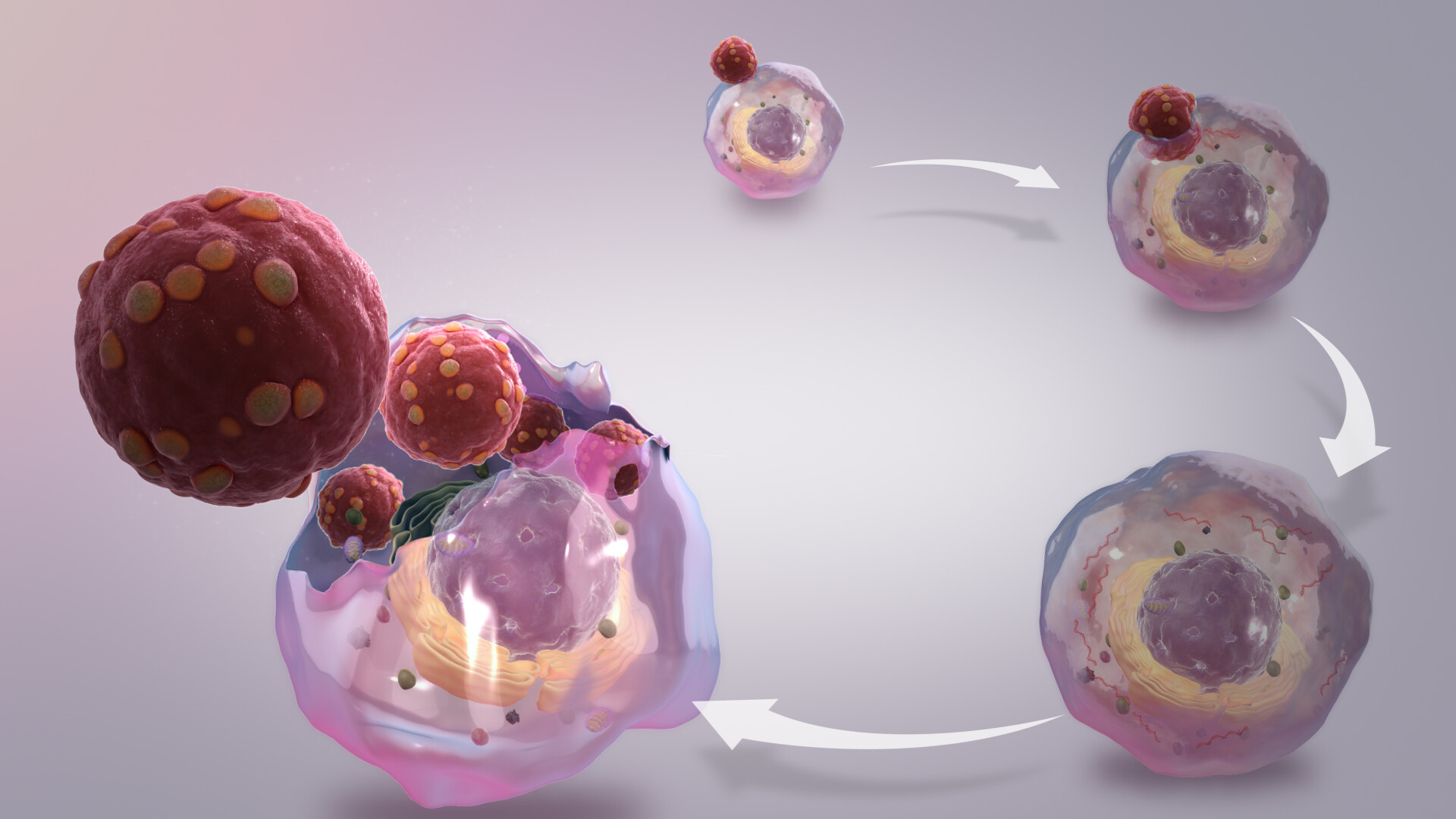
Hantavirus is a family of viruses carried by rodents, primarily rats and mice, that can cause severe, life-threatening disease in humans. It has been around for decades, long enough to be studied and still dangerous enough to kill.
The virus causes two major disease syndromes: Hantavirus Pulmonary Syndrome (HPS), which attacks the lungs, and Hemorrhagic Fever with Renal Syndrome (HFRS), which damages the kidneys.
In severe cases, both can be fatal, with case fatality rates reaching as high as 50%.
Globally, hantavirus infections account for an estimated 200,000 cases per year. There is currently no specific treatment or cure.
Early medical attention improves your odds, but once the disease progresses to acute respiratory distress, as it did for several passengers on the MV Hondius, survival is not guaranteed.
How Does It Spread?
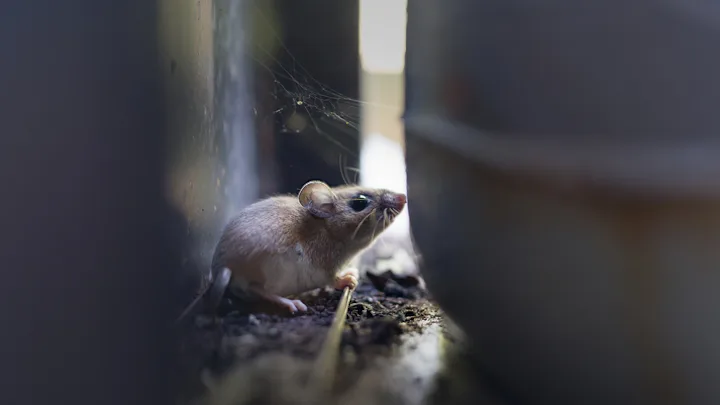
You do not catch it from a cough on a bus or a handshake. Human hantavirus infection is primarily acquired through contact with the urine, faeces or saliva of infected rodents.
You can get it from sweeping out a space where rodents have nested, handling contaminated materials or inhaling dust particles stirred up from infected droppings.
For the most part, hantavirus does not spread person-to-person.
However, there is one important exception. The Andes virus, a specific strain endemic to Argentina and Chile, the same region where the MV Hondius originated, is the only known hantavirus strain capable of limited human-to-human transmission.
This is what made health officials on multiple continents nervous. The ship had left Ushuaia, Argentina, on April 1, 2026. Illness onset among passengers occurred between April 6 and 28.
By the time the ship reached Cape Verde off West Africa's coast, the situation had escalated into a multi-country health emergency managed by the World Health Organization.
One of the victims, a Dutch woman, collapsed at Johannesburg's OR Tambo International Airport, one of Africa's busiest transit hubs, while trying to catch a flight home.
She later died at a nearby hospital, with a posthumous PCR test confirming hantavirus.
Africa Is Not as Far From This As You Think
Hantavirus is not a stranger to the African continent. It has simply been deeply underpublicised.
The first indigenous African hantavirus, the Sangassou virus, was discovered in Guinea in 2006. Since then, research has found hantavirus antibodies in human populations across the continent.

Studies conducted in Côte d'Ivoire detected a seroprevalence rate of 3.9%, meaning roughly 1 in 25 people tested had been exposed to the virus.
In the Democratic Republic of Congo, the rate stood at 2.4%. In South Africa's Cape Region, 1% of over 1,400 people tested showed evidence of past hantavirus exposure.
In Senegal, studies found that 16.6% of humans and 11.5% of rodents surveyed had hantavirus antibodies — figures that are striking even by global standards.
More recently, serological evidence of hantavirus exposure was recorded in Senegal from samples collected between 2019 and 2022, the first identification in human samples from the country.
These numbers indicate that hantavirus is likely circulating in Africa far more than official case counts reflect.
The Real Problem
Africa's healthcare infrastructure has improved considerably over the past decade, but diagnostic gaps remain a serious vulnerability.
Hantavirus symptoms — fever, body pain, headache, gastrointestinal distress — closely mimic those of malaria and lassa fever.
In low-resource settings, the likelihood of a hantavirus case being correctly identified, rather than attributed to something more familiar, is low.
This is the lesson the MV Hondius outbreak is actually teaching. Hantavirus will not become the next pandemic but a post-pandemic world requires faster, smarter and more equitable disease surveillance.
When an infected passenger can walk through Johannesburg's OR Tambo Airport with a confirmed deadly virus before anyone knows what is happening, the system has failed.
The WHO has assessed the global risk from this event as low.
However, low risk is not zero risk, and for a continent where surveillance systems are still being strengthened and rodent-human contact remains high in dense urban and rural communities, vigilance is very essential.
What You Should Actually Be Doing
The good news is that hantavirus is largely preventable with basic hygiene and awareness. Avoid contact with wild rodents and their droppings.
Seal gaps in your home that could let rodents in. If you are cleaning out a space that may have had rodent activity, wear a mask and gloves and wet the area before sweeping — do not stir up dry dust.
Symptoms to watch for include sudden fever, severe headaches, abdominal pain and shortness of breath. If you have recently been in an area with rodent activity and these symptoms appear, go to a healthcare facility immediately.
Hantavirus is not COVID-19. It is, however, proof that the post-pandemic world has made us more aware of how unsafe we always were.