Andrea Aid Is Turning Personal Tragedy Into a Trusted Healthcare Crowdfunding Platform in Nigeria
Andrea Aid is building a verified medical crowdfunding platform that helps Nigerians raise money for healthcare through hospitals, tackling fraud, trust issues, and out-of-pocket medical costs.
For many Nigerians, a medical emergency does not begin with treatment. It begins with phone calls, WhatsApp broadcasts, social media posts, and desperate appeals to friends, relatives, and even strangers for financial support.
That fundraising culture has become an informal safety net in a country where millions remain uninsured and healthcare costs are largely paid out of pocket. But as online appeals have become more common, so too have fraudulent campaigns, making it increasingly difficult for donors to distinguish genuine medical needs from scams.
Andrea Aid, a healthtech startup based in Port Harcourt, believes the problem is not a lack of generosity but a lack of trust. Instead of allowing anyone to launch fundraising campaigns online, the startup has built a platform where hospitals verify patients before donations are solicited, ensuring contributions go directly toward treatment rather than personal bank accounts.
For founder and CEO Kizito Don-Pedro, solving that trust problem is about far more than building another digital platform. It is about preventing other families from experiencing the kind of financial desperation that changed his own life.
A Healthcare System That Forces Families to Become Fundraisers
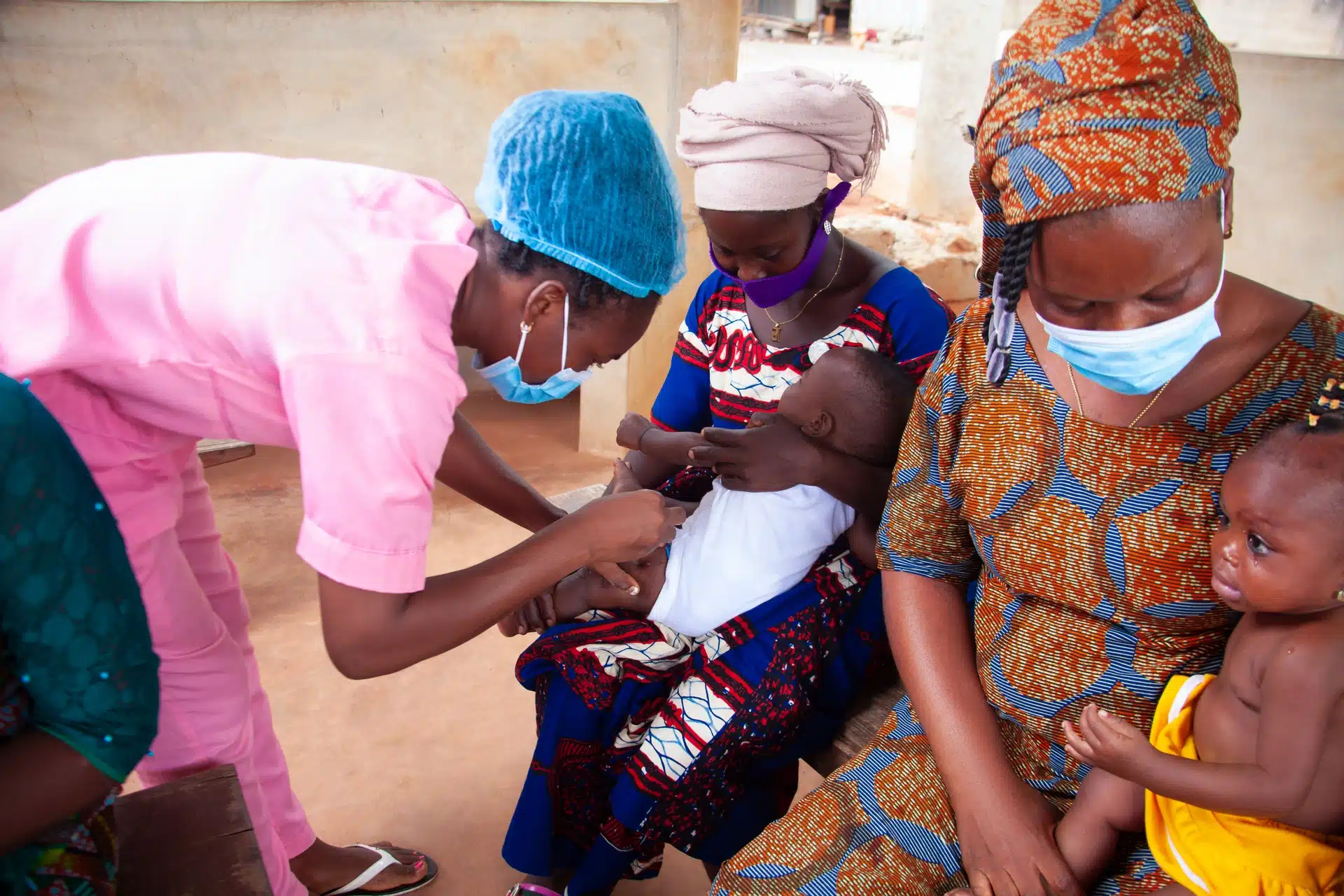
Nigeria continues to spend only a small fraction of its national budget on healthcare, well below the 15% target set under the Abuja Declaration. As a result, most Nigerians finance healthcare directly from their pockets, leaving many households vulnerable whenever serious illness strikes.
In that environment, crowdfunding has evolved into an unofficial healthcare financing system. Families routinely circulate medical reports, photographs, and account details across social media in hopes that enough people will contribute before it is too late.
While many of these appeals are legitimate, repeated cases of fraud have weakened public confidence, discouraging potential donors from contributing even when the need is genuine.
Andrea Aid's model attempts to remove that uncertainty by making hospitals the gatekeepers of every fundraising campaign.
Rather than allowing users to create campaigns independently, patients are first referred through partner hospitals. Their medical records are reviewed and verified before campaigns become publicly accessible, while every donation is transferred directly to the treating hospital instead of the patient.
"We're big on transparency, authenticity and putting up verified cases," Don-Pedro said, according to TechPointAfrica, "Before now, there has been a trend of people putting falsified fundraising needs online. So we're trying to remove fraud by working with hospitals."
A Startup Born From Personal Loss

Long before Andrea Aid officially launched in February 2026, the idea behind the platform had already been shaped by two deeply personal experiences.
In 2023, Don-Pedro's father suffered heart failure. Doctors informed the family that sustaining treatment would require a substantial amount of money, forcing them into an urgent fundraising campaign.
Friends, relatives, and acquaintances contributed what they could, but the money arrived too late. His father died before the family could secure the care he needed.
Less than two years later, history threatened to repeat itself. His sister gave birth to a premature baby who required intensive neonatal care for three months. Once again, the family found itself appealing to friends, relatives, and even strangers to finance treatment.
This time, the outcome was different. The baby survived and she was named Andrea.
Her survival eventually inspired both the name and mission of the company, transforming a deeply personal experience into a platform designed to help other families navigate similar crises.
Building Trust Before Building Scale

Unlike many crowdfunding platforms that generate revenue by taking a percentage of every donation, Andrea Aid currently operates on a zero-commission model.
Every naira donated goes directly toward patient care. Operating without transaction fees creates its own financial challenges. Rather than relying on donations for revenue, the startup currently supports its operations through grants, partnerships, and social impact programmes.
One of its earliest milestones came in December 2025, when it received a ₦1 million grant from Nigeria's Federal Ministry of Youth Development ahead of its public launch.

Looking ahead, the founders say future sustainability will depend largely on partnerships with organisations that already invest in healthcare through corporate social responsibility initiatives, allowing businesses to fund verified patient cases through a trusted platform.
Winning Hospitals Before Winning Donors
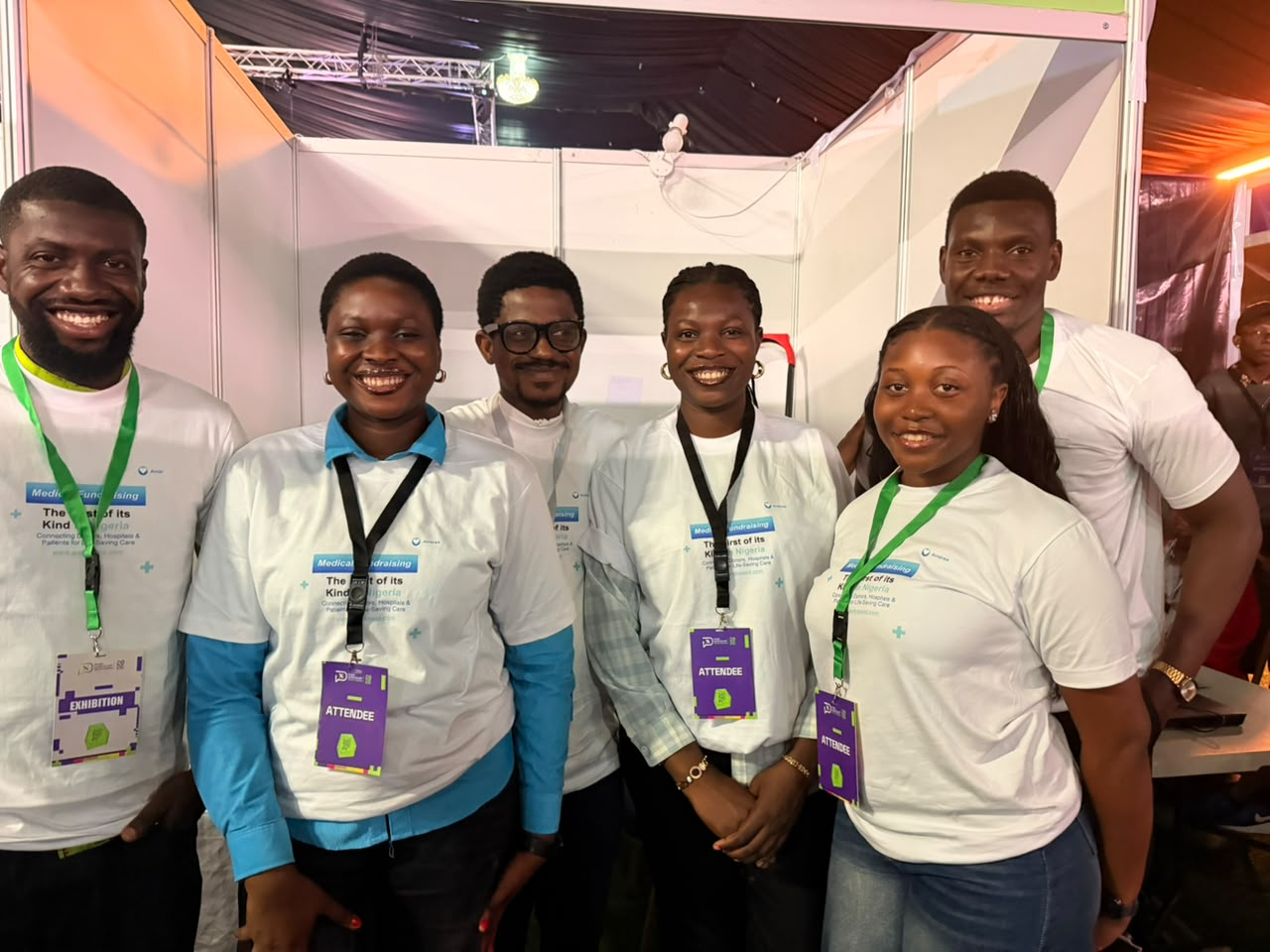
For Andrea Aid, convincing hospitals has proven just as important as convincing donors.
Introducing a digital fundraising platform to healthcare institutions often requires extensive orientation before partnerships can be established.
That process has been particularly noticeable in Port Harcourt, where many healthcare institutions require more engagement before adopting new digital systems.
According to the founders, the challenge is rarely resistance. Instead, it is education. The company currently works with the University of Port Harcourt Teaching Hospital through a partnership with the Insurance Foundation. Six verified patients have already been onboarded, with three receiving full funding for their treatment.
To strengthen accountability, Andrea Aid also notifies hospitals, caregivers, and other relevant stakeholders whenever donations are received, while conducting audits whenever discrepancies arise.
Scaling a Model Built on Confidence

Although Andrea Aid's operations are currently concentrated in Rivers State, its ambitions extend far beyond Port Harcourt.
The founders believe the financial challenges confronting patients are not unique to one city but reflect a broader healthcare financing problem across Nigeria and much of Africa, where out-of-pocket spending remains the dominant means of paying for treatment.
Expansion, however, will depend less on geography than on preserving the trust the company has worked to establish.
For hospitals outside its existing network, Andrea Aid says patient verification will continue to involve direct engagement with medical institutions before fundraising campaigns are approved.
Rather than pursuing rapid expansion, the startup is prioritising credibility, betting that donor confidence will ultimately become its strongest competitive advantage.
In a country where a single medical emergency can push entire families into financial distress, Andrea Aid is attempting to rebuild confidence in healthcare crowdfunding, one verified patient, one hospital partnership, and one successful treatment at a time.