Ancient Enhancements: How False Nails and Lashes Began Long Before Modern Beauty
False nails and lashes aren’t modern beauty trends; they trace back thousands of years to ancient Egypt, China, Rome, and African traditions where beauty signaled power, status, and identity.

Every time you sit for hours for a set of acrylics or lie to get that natural looking lashes set, you are, knowingly or not, participating in a ritual thousands of years old.
The beauty industry would have you believe that false nails and lashes are modern inventions. The truth is far older, and much closer to home than most people realise.
These enhancements began in the ancient world and Africa had everything to do with it.
Nails Were Never Just Decoration
The story of false nails stretches back to around 3000 BCE, to civilisations that understood beauty as a precise language of power.
In ancient Egypt, long before the word "manicure" entered anyone's vocabulary, both men and women adorned their fingernails with intent. Egyptian elites attachedsmall plates of gold, silver and amber directly to their fingertips.
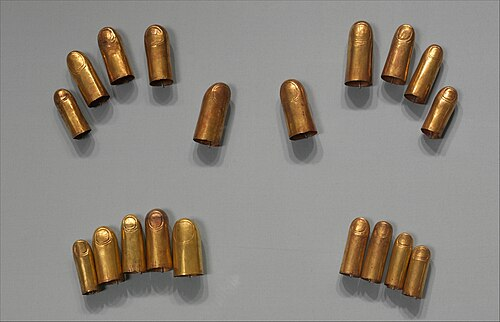
The length and richness of a person's nails communicated their social rank with no need for words. Shorter nails meant manual labour.
Long, embellished nails meant you had other people doing that work for you. Colour carried its own hierarchy too. Deep, bold shades belonged to the powerful, while lighter tones were left for commoners.
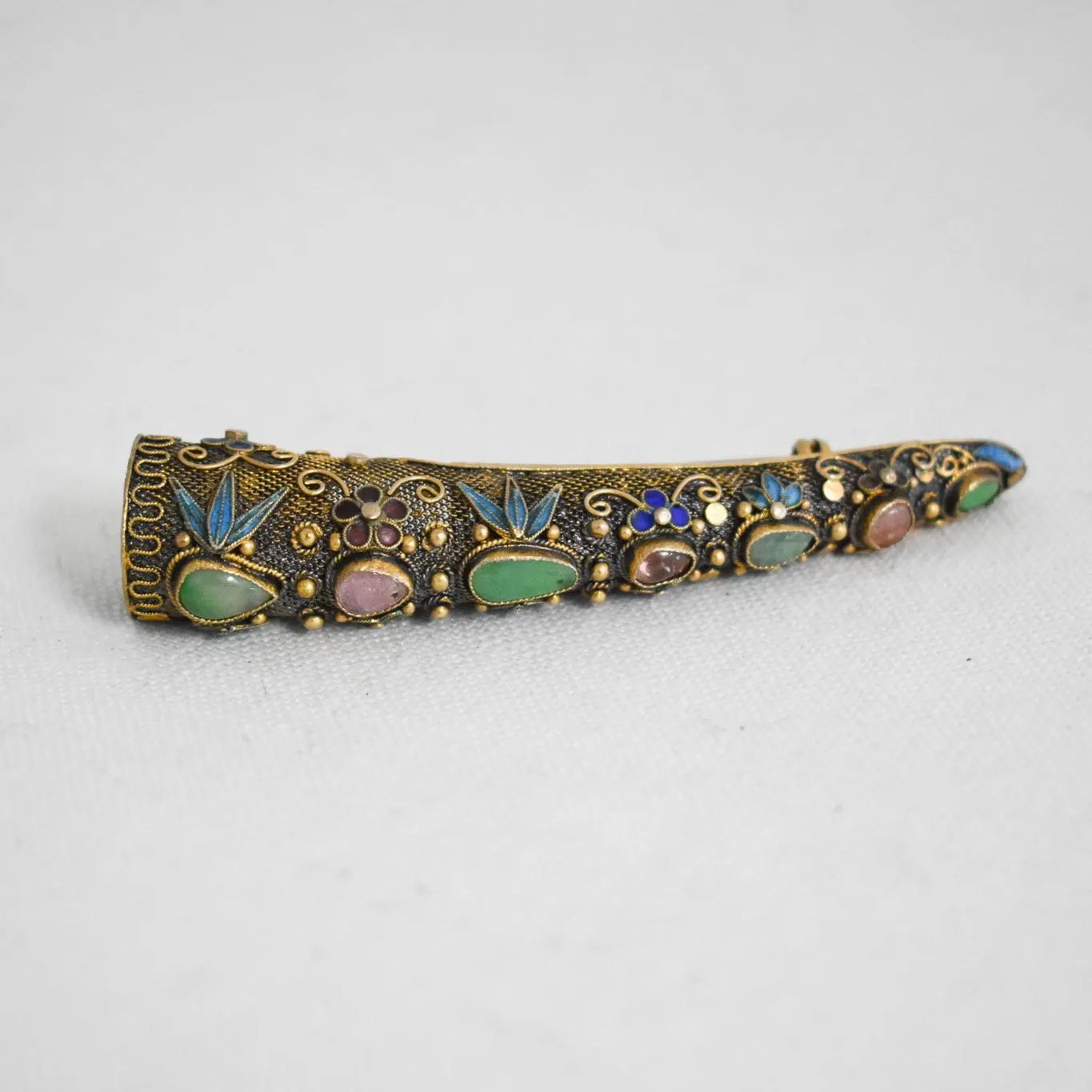
This tradition ran just as deep in ancient China. Nobles wore ornate nail guards crafted from jade and precious metals, protecting and extending their nails to extraordinary lengths, sometimes so long that ordinary tasks became completely impossible.
That impossibility was the entire point. It announced that your hands were far too valuable for physical work. Chinese nail formulas, made from beeswax, egg whites and flower-based dyes, were reserved exclusively for the upper class.
Wearing the wrong shade when you weren't royalty was a punishable offence.
Also, in Babylon, warriors painted their nails with kohl before marching into battle. The practice was a display of dominance and psychological power, a way of walking into war already looking like the kind of person who had already won it.
The Eye Was Always the Point
Long before magnetic lashes or adhesive strips, the eye was considered the most commanding feature on a human face and ancient cultures left nothing about it to chance.
In Egypt, around 4000 BCE, kohl made from ground minerals and natural oils was applied to darken and extend the lashes dramatically. The look was striking but it was never really about aesthetics.
The antimicrobial properties in kohl offered protection against eye infections, and the dark lines reduced glare from the intense desert sun. Practicality and beauty lived in the same pot of pigment and were applied with the same brush.
By the time Rome rose as a cultural force, the obsession with lashes had shifted into moral territory.
The philosopher Pliny the Elder declared that long, full eyelashes were a signal of a woman's virtue and purity, claiming that lashes thinned and fell out due to moral corruption.
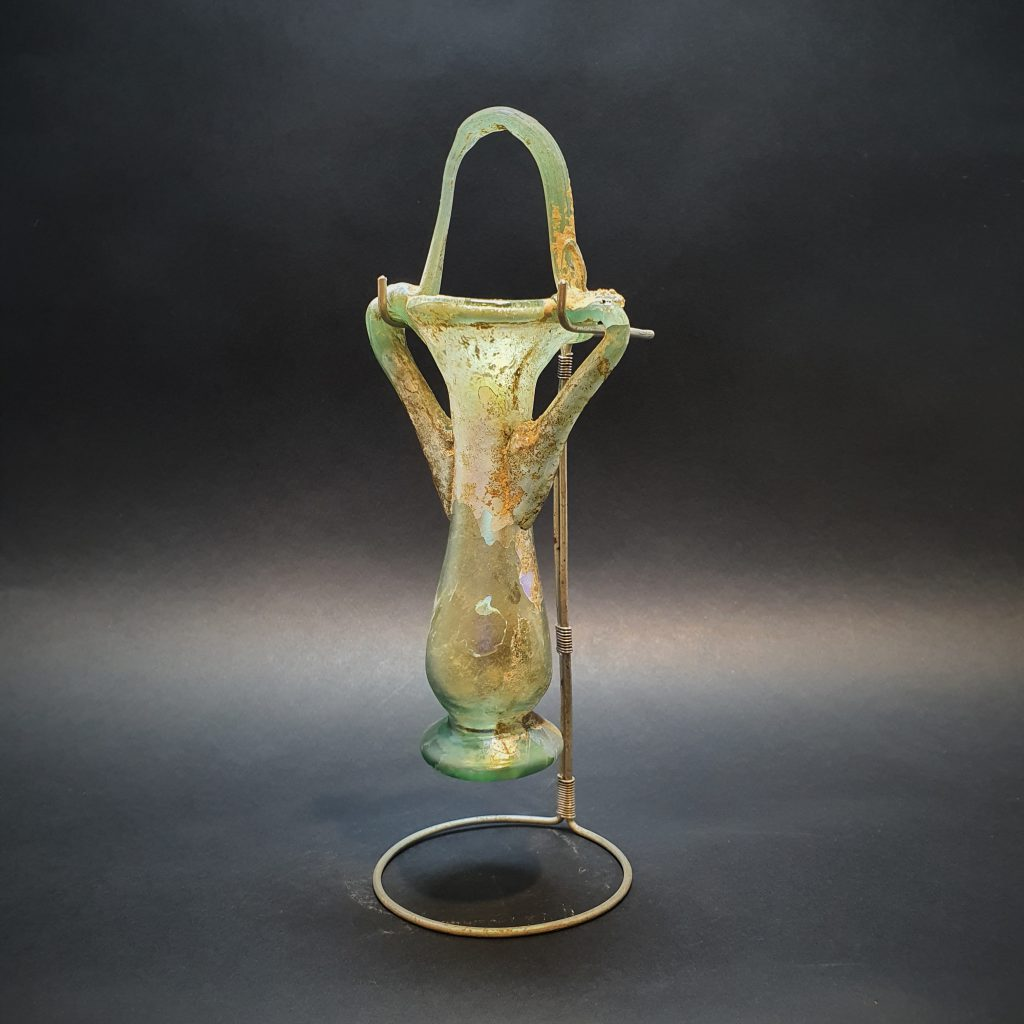
Romans, both men and women, responded by reaching for charcoal, soot, and kohl to darken and build up their lashes.
In doing so, they were crafting what was essentially the ancient world's mascara, driven not by vanity but by the need to perform respectability in a society that read bodies for character.
Africa Was Already There
The Egyptian chapter is perhaps the most documented, but it is easy to forget that Egypt is African and beauty traditions across the continent ran far and wide, long before the colonial world tried to claim the origin of everything.

Across pre-colonial sub-Saharan Africa, nail decoration was deeply woven into ceremony, identity and community.
The Dogon people of Mali used mixtures of red clay and shea butter to colour their nails during ritual gatherings, with designs that shifted depending on the occasion and a person's social standing.
The Himba of Namibia applied a paste of red ochre and butterfat to their bodies and nails, serving as both adornment and a shield against the harsh desert climate.
These were not early drafts of what the West would later perfect. They were complete and sophisticated systems of expression, entirely their own.
The Bigger Picture
What consistently gets lost in modern beauty conversations is attribution. The industry celebrates gel nails and lash extensions as innovations while quietly erasing the civilisations, largely African and Asian, that built the foundation centuries before a single salon existed.
When you sit in a nail chair or drag liner across your lids in a style that traces back to Egyptian kohl, you are reaching into something ancient.
Beauty has always been power. The tools have simply evolved.