AI Short Dramas Are Taking Over Social Media — Could Actors Be the Next Casualties?
AI is creating short dramas without human actors—but if acting is next, what happens to music and the rest of entertainment?
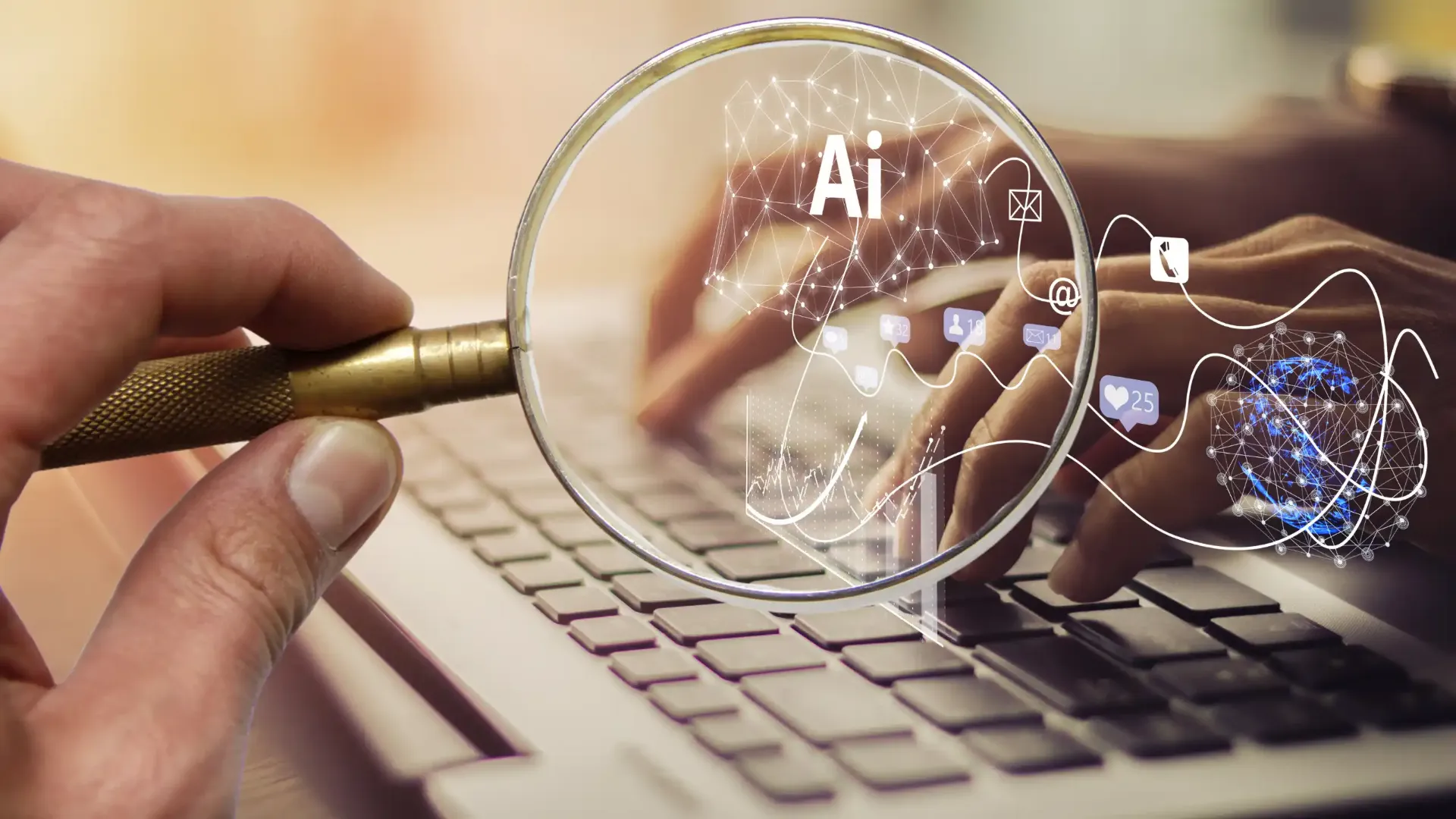
If artificial intelligence can create an entire drama with digital actors, voices, faces and storylines in minutes, what happens to the real people whose jobs have always depended on making those productions?
Short-form drama has become one of the internet’s most engaging forms of entertainment, particularly on platforms such as TikTok, YouTube, Instagram and Facebook. But a new competitor is changing the format: AI-generated short dramas.
Instead of hiring actors, finding locations, arranging costumes and spending days filming, creators can now use AI tools to generate characters, scenes, dialogue, voices and visual effects.
A story that once required an entire production team can increasingly be produced by a much smaller team, sometimes with little more than an idea, a script and the right AI tools.
That raises a bigger question: Are actors going to lose their jobs, or is AI slowly taking over the entertainment industry?
It starts with our growing dependence on AI for almost everything. Then it moves into acting, where digital characters can now perform scenes, deliver dialogue and appear in short dramas without a human actor ever stepping in front of a camera. So, what comes next? Music?
If AI can create believable actors and entire dramas, it is not difficult to imagine the same technology producing songs, artificial voices and even virtual musicians.
The concern is no longer simply about one profession losing jobs. It is about how much of the creative industry we are willing to hand over to machines.
Today, it may be short dramas. Tomorrow, it could be music, filmmaking, voice acting or other creative jobs.
The question is not whether AI can do these things—it increasingly can. The question is how far we will allow it to go.
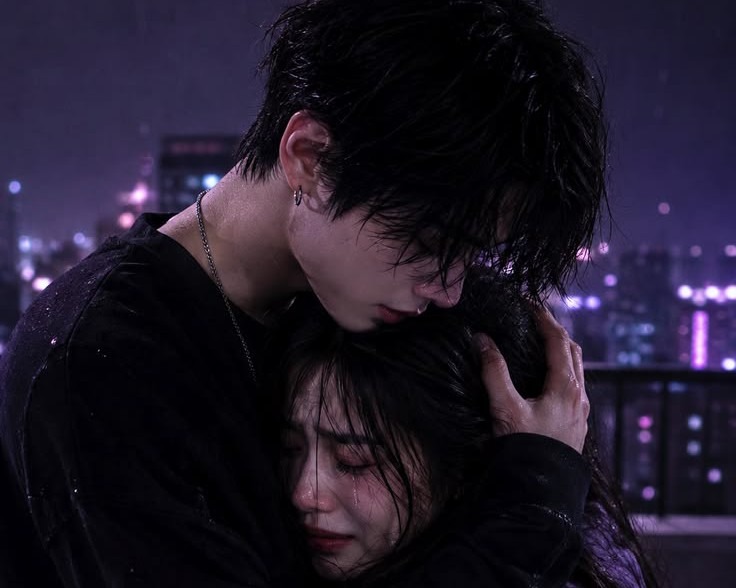
AI Is Changing What a “Drama Production” Looks Like
Traditional short drama production involves many people. Actors perform the characters, directors manage scenes, cinematographers handle the visual side, makeup artists and costume designers create appearances, while editors, sound designers and other crew members turn the footage into a finished production.
AI is beginning to compress some of those roles into software.
A creator can design a fictional character, place that character in different environments, generate dialogue and create sceneswithout physically bringing an actor or film crew together.
The technology also makes it possible to experiment quickly. If a scene does not work, it can be changed without reshooting an entire production.
That is one reason AI dramas are particularly suited to social media, where audiences often consume stories in short episodes and creators are constantly under pressure to produce fresh content.
The result is a new production model: more stories can be created faster, at potentially lower costs and with fewer people involved.
Could AI Take Jobs Away From Actors?
This is where the excitement around AI becomes more complicated.

If audiences become comfortable watching digital characters instead of human performers, some producers may begin asking a simple business question: Why pay for a large cast when an AI-generated character can perform the same role repeatedly?
That does not mean actors will suddenly disappear, but human performers bring expressions, physical presence, improvisation and emotional experiences that AI-generated characters cannot perfectly reproduce.
But some jobs could become more vulnerable, particularly background acting, minor roles, voice work and highly repetitive commercial performances.
There is also a bigger issue around an actor's identity. If a digital character can be created using someone's face or voice—or imitate the characteristics of a real performer—the question becomes who owns that digital version and who should be paid when it is used.
For actors, the future may therefore involve not only competing with AI-generated performers but also negotiating how their own likenesses and voices are used.
The Internet Is Becoming More Crowded With AI Content
The impact goes beyond employment. As AI makes content cheaper and faster to produce, social media could become flooded with synthetic videos.
Viewers may encounter thousands of short dramas competing for attention every day, making it increasingly difficult to distinguish between productions created by human performers and those generated largely by machines.
This creates another problem: quality can become secondary to quantity.
An AI system can produce endless variations of a story, character or scene then that may encourage creators to focus heavily on whatever generates clicks, shares and watch time.
Dramatic storylines could become increasingly exaggerated because platforms reward content that keeps people watching.
At the same time, audiences could become more sceptical about what they are watching. A dramatic video may look like a real production while containing no real actors, real location or even a traditional filming process.
The internet is therefore not simply gaining another entertainment format. It is entering a period where the boundary between filmed entertainment and computer-generated entertainment is becoming increasingly difficult to see.
The Entertainment Industry May Have to Adapt
The rise of AI short dramas does not necessarily mean the end of human acting. It could instead force the entertainment industry to reconsider what human creativity is worth.
Actors may increasingly compete on qualities AI struggles to reproduce: authenticity, personality, live performance and the ability to create an emotional connection with an audience.
The production companies may also begin combining both approaches, using AI for certain backgrounds, visual effects or production tasks while keeping human actors at the centre of the story.
The bigger question is whether the industry can find that balance before cost-cutting becomes the main reason for replacing people with machines.
AI has already demonstrated that it can make entertainment faster, cheaper and easier to produce.
What remains uncertain is whether audiences will ultimately prefer perfectly generated characters—or whether they will continue to value the imperfections, emotions and human experiences that make a performance feel real.
If AI can create the actors, write the scenes and produce the visuals, the real challenge may not be whether technology can replace parts of the entertainment industry, but how much of the human element audiences are willing to give up.