AI Is Making Music — Are Real Artistes Becoming Optional?
As AI-generated songs go viral and virtual artistes gain real audiences, the music industry faces an uncomfortable question: are human artistes becoming optional, or more valuable than ever?
There is a sound going viral on social media right now, and you have probably heard it — that Afro rendition of Stromae's ‘Papaoutai’ soundtracking gratitude posts across your feed. Some people discovered the song through this version, while Stromae's longtime fans recognized it immediately from the 2013 original.
But a piece of information shocked the netizens: the creator revealed he used AI to make it. If he hadn't said anything, I wouldn't have known. And I know I'm not alone in that.
That moment of realization that an algorithm could create something this culturally resonant, this good raises an uncomfortable question: are human artistes becoming optional?
What AI Can Already Do
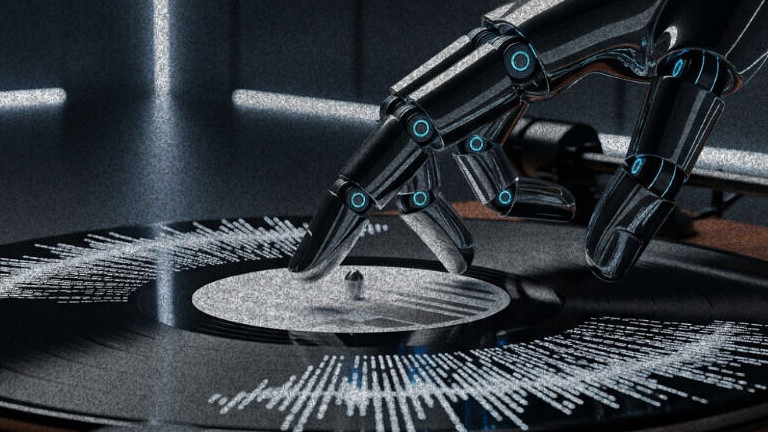
AI is not just making basic beats anymore. We are talking full songs with vocals, production, and genre-blending that sounds professional.
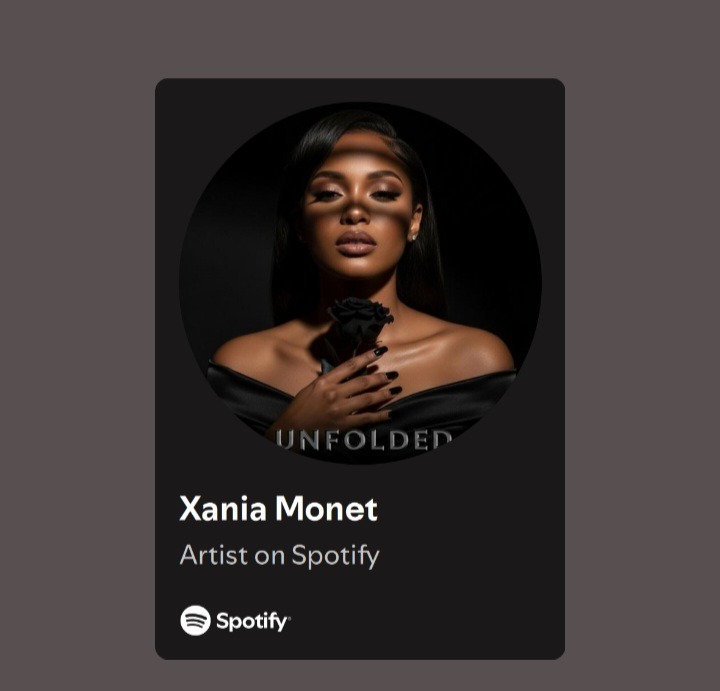
The Papaoutai remix isn't an outlier. AI artists now haveverified pages on streaming platforms, complete with monthly listeners in the thousands. Some AI-generated tracks have made it onto editorial playlists right next to your favorite artists.
For brands looking for background music without paying licensing fees, AI is becoming the obvious choice.
This accessibility is actually one of AI's strongest selling points. Someone without music training, expensive equipment, or studio access can now create songs.
The Culture Problem: Can Algorithms Understand ‘Soul’?
Now, Afrosoul isn’t just a sound you can replicate by analyzing tempo and percussion patterns. It's a fusion genre blending African musical traditions with soul, jazz, and R&B which are all genres deeply rooted in cultural expression and lived experiences. The genre carries emotional depth and intentionality that comes from real human connection to these traditions.
So when AI creates an "Afrosoul" track, what is it actually doing? Pattern recognition. It is analyzing thousands of songs and recreating what statistically sounds like Afrosoul.
But can it understand the emotional weight behind the melodies? The cultural context behind the instrumentation? The intentionality artists bring when they are channeling their heritage and soul influences?
Think about blues born from pain, gospel from spiritual resistance, hip-hop from marginalized communities finding their voice. These genres exist because of human experiences that algorithms can't live through.
When AI mimics them, it is essentially doing very sophisticated cultural karaoke, hitting the notes without knowing why the song was written.
Another issue is that AI is being trained on these cultural sounds without asking permission or compensating the communities that created them. Tech companies are essentially mining global music traditions to teach their algorithms, then profiting off recreations while the original artists struggle to make rent.
What We Lose When We Replace the Human
The biggest loss is not even about sound quality. It is the connection. When you love an artist, you are not just vibing to their music, you are connecting with their story. You know Billie Eilish made "Ocean Eyes" in her bedroom with her brother.
You know Kendrick's albums are deeply autobiographical. You know Burna Boy's "African Giant" came from a specific place of cultural pride and frustration.
AI doesn't have a story. It doesn't have a childhood, heartbreak, growth, or struggle. It can't tell you what it was feeling when it "wrote" a song because it doesn't feel anything.
And when we strip music down to just the sound without the story, we lose what makes it resonate beyond our eardrums.
Then there is the live show problem. AI can make a recording, but can it tour? Can it improvise when the crowd's energy shifts? Can it mess up a note, laugh it off, and have that become a viral moment?
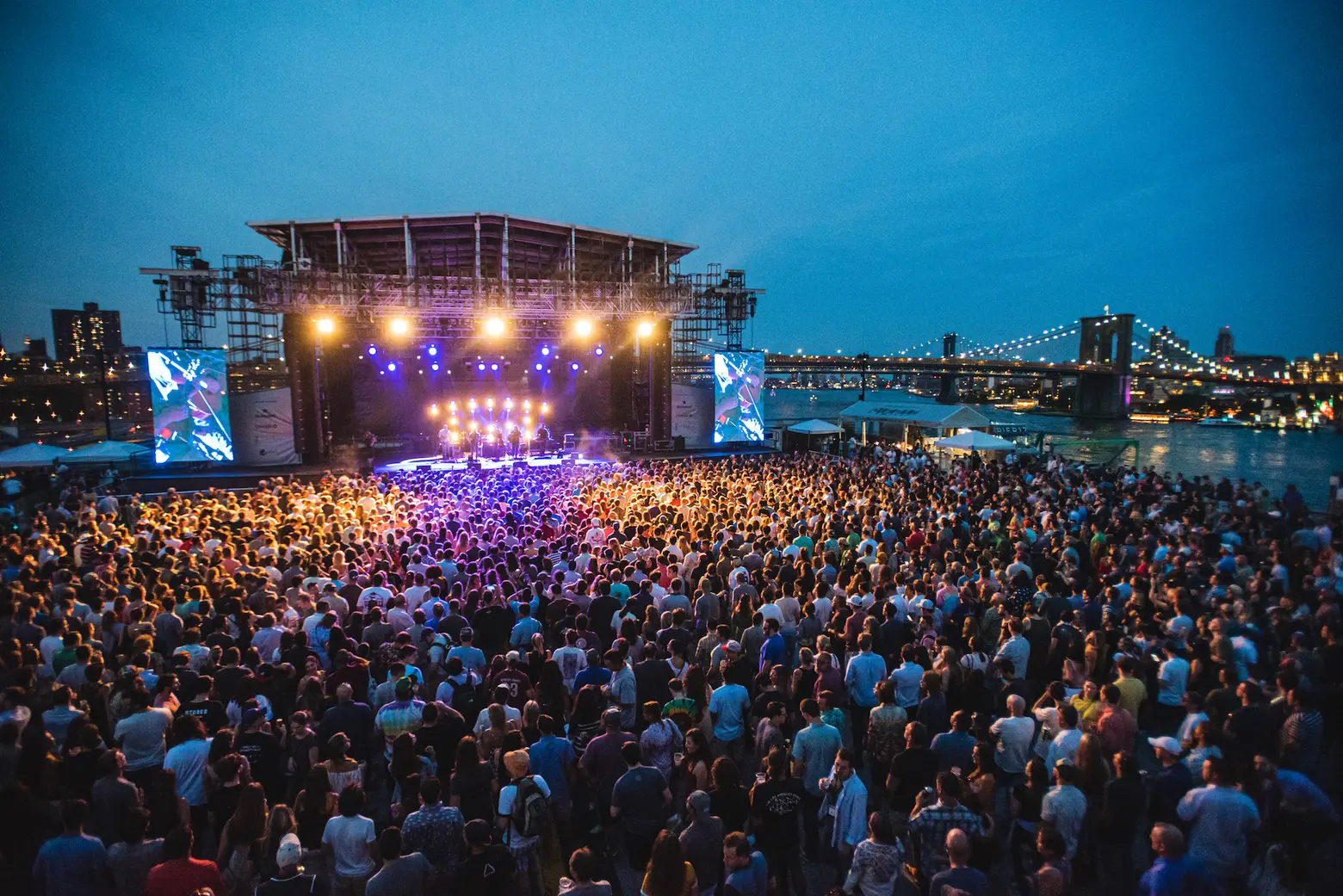
Concerts are where music becomes a communal experience and that is something no algorithm can replicate.

There is also an entire ecosystem at risk. Session musicians, backup singers, producers, sound engineers, local venue staff are people who make their living from music. When AI becomes "good enough," these jobs disappear first.
The Money Question: Who Actually Benefits?
There is the money question. When a human artist creates music, money flows to them, their collaborators, their label (for better or worse), and sometimes their community. When AI creates music, the money goes to tech companies and platform owners. The people who made the music AI trained on? They get nothing.
Streaming already pays artists terribly. Now imagine competing with AI that can generate unlimited content at basically zero cost. The "middle class" of musicians are about to get squeezed out.
We are heading toward a world where only the megastars survive, and everyone else is told to compete with free, infinite AI content.
Some argue this is just how technology evolves. Synthesizers didn't kill orchestras. Drum machines didn't end drummers. But the difference is those tools still required human creativity to use.
AI doesn't technically need you. It is the major creator.
So What Do We Do?
This isn't really about whether AI can replace artists. Technically, it increasingly can. The real question is whether we should let it, and what we lose if we do.
Maybe we need to start treating "human-made" music like we treat artisan goods, something worth paying more for because of what went into it. Maybe platforms need to clearly label AI-generated content so we can choose what we support. Maybe we need laws protecting artists' voices and styles from being cloned without consent.
Or maybe we just need to ask ourselves: in a world where algorithms can generate "good enough" music instantly and cheaply, what actually makes human artistry worth preserving?
The answer is in what we value. And right now, we are at the point where we have to choose.