After the Sanitary Pad Controversy, What Other Everyday Products Should Nigerians Be Asking Questions About?
From sachet water and skin-lightening creams to bread, beans and cosmetics, Nigerian research has raised questions about chemicals and contaminants in everyday products.
Sixty-five pad samples from sixteen brands across four major Nigerian cities were tested and every one of them carries volatile organic compounds (VOCs) with the estimated exposure exceeding the reference dose for all 17 compounds detected.
But that is not the only major detail in the research that revealed these findings.
The same research established that NAFDAC does not test sanitary pads for VOCs, and the Standards Organisation of Nigeria does not measure them either.
This research has raised serious questions about the products Nigerians use daily because sanitary pads in Nigeria are not the only product that reaches shelves on trust.
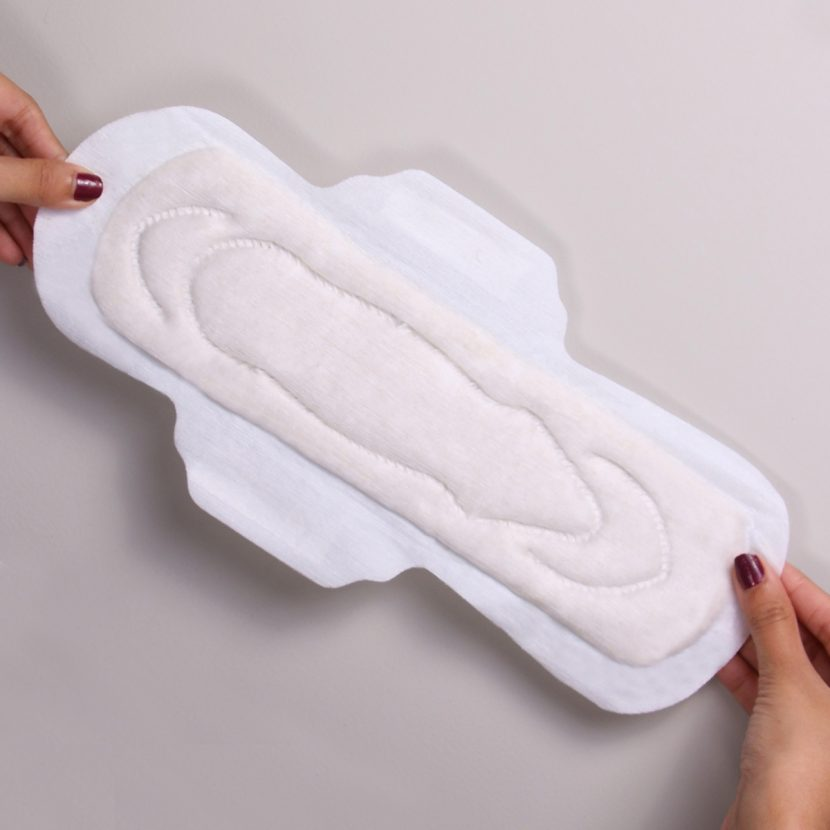
VOCs, the compounds found in the sanitary pads, are chemicals that can evaporate at room temperature. They are also endocrine-disrupting chemicals that can interfere with hormones.
Nigerian women online have long described the problems they face after their monthly cycle and with this research in place, they have finally found it linked to the pad they use. The research rightly flags the risks rather than diagnosing anyone but measuring the risk of a product before it is sold is exactly what regulating agencies are created to do.
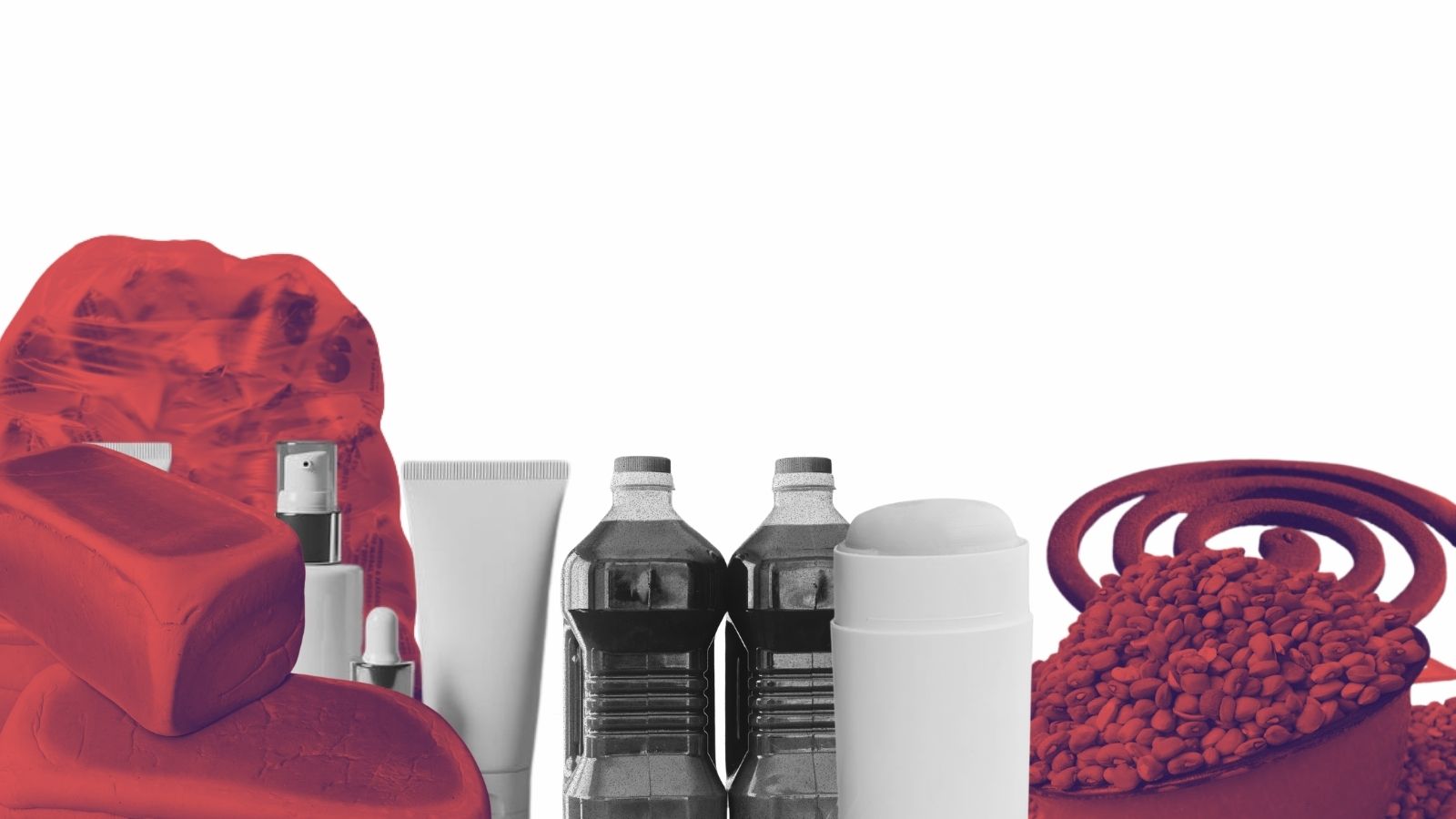
It becomes pertinent to ask: what else sits in Nigerian homes, kitchens and bathrooms without a proper look?
Seven everyday products already have Nigerian research attached to them, and the results deserve more attention than they have received.
Sachet Water and Bottled Water: Phthalates and Microplastics
Phthalates are plasticisers and endocrine-disrupting chemicals (EDCs) and are in the same class of compounds raised in the pad debate.
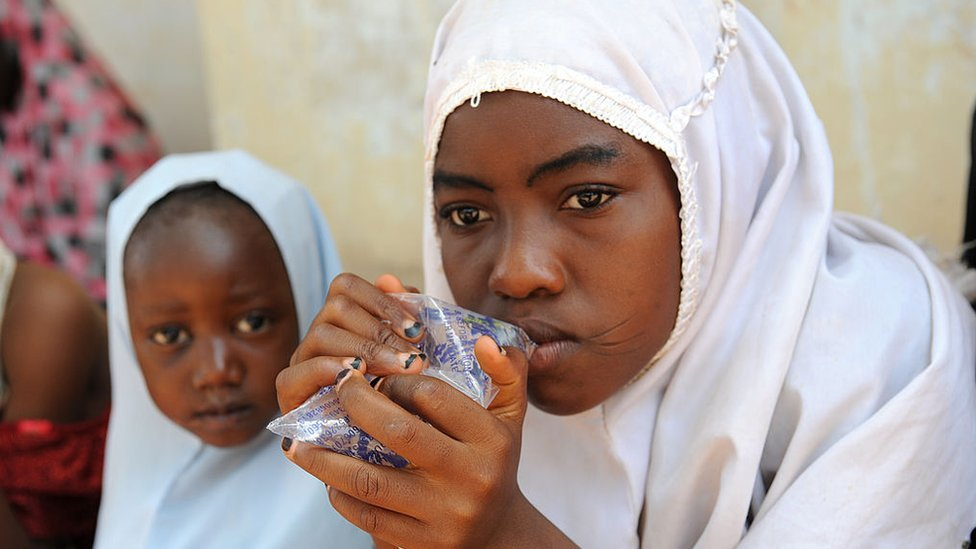
Sachet water is a daily staple in Nigeria, so even small contaminants matter.
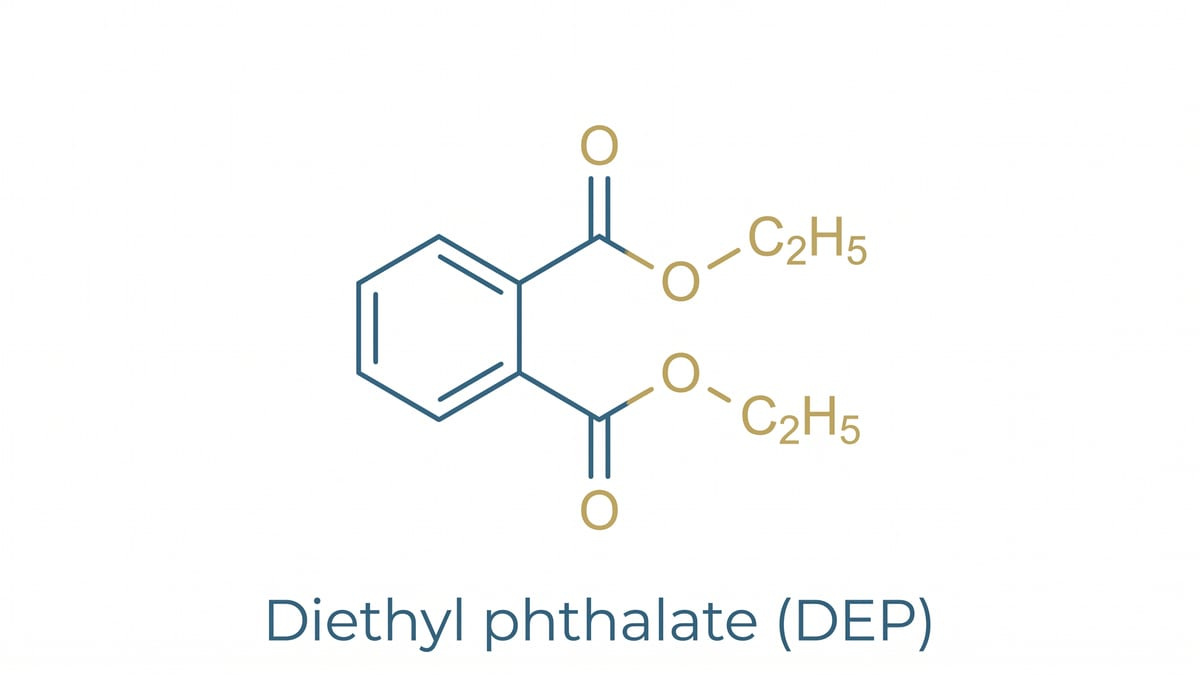
Beverages sold in Lagos and Ogun States were screened for six phthalates, and several turned up, led by DNOP, whose mean level ran from about 0.6 mg/L in orange drinks to about 1.5 mg/L in bottled water.
In Kaduna, microplastics appeared in bottled water, sachet water and even branded table salt, with contamination from the packaging being the main source.
An earlier Nigerian screening found five of sixteen packaged water samples showed estrogen-like activity. Estimated daily microplastic intake was low, though higher for children.
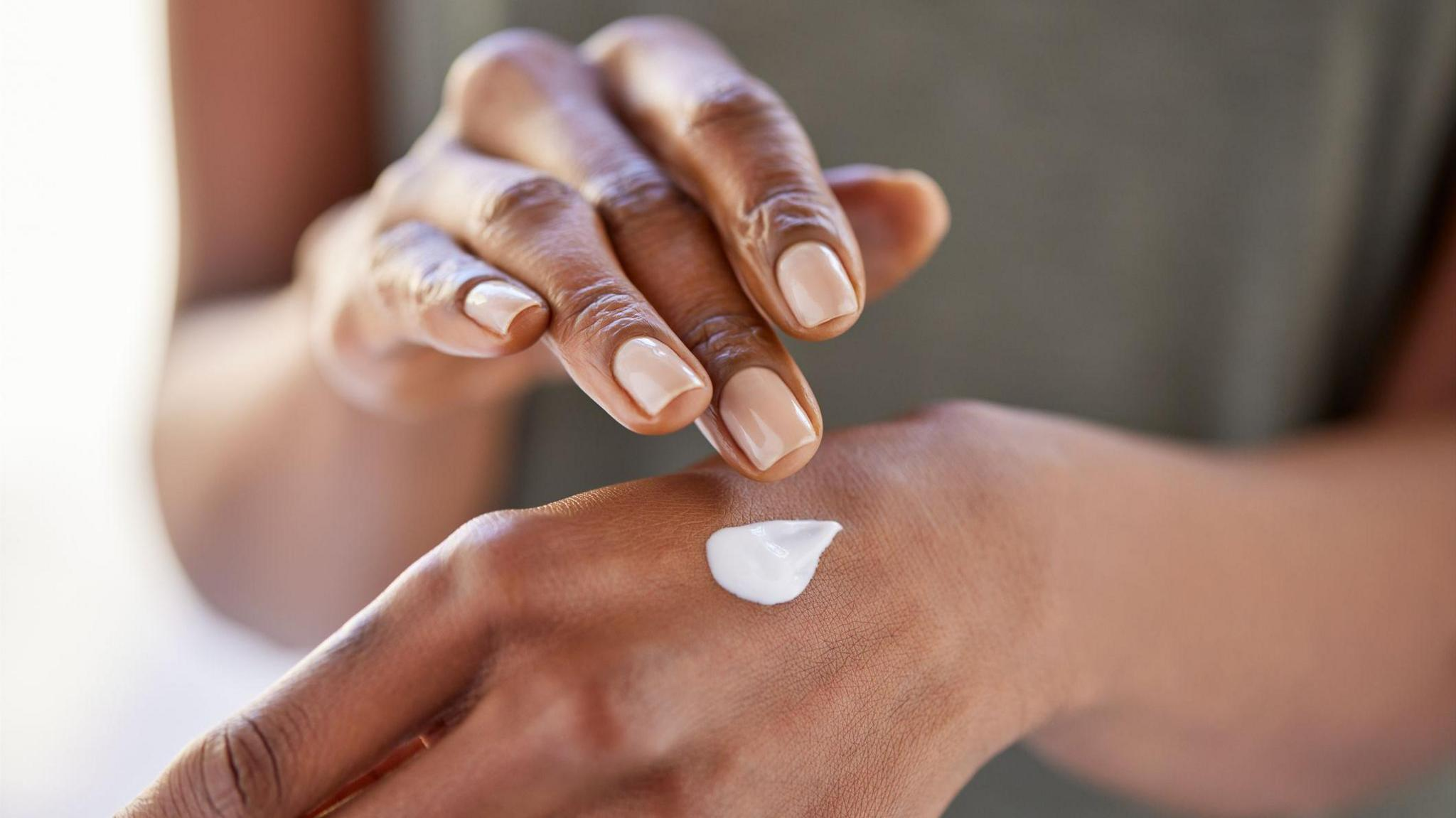
Skin-Lightening Creams: Mercury, Hydroquinone and Steroids
Skin bleaching in Nigeria is widespread, and a WHO survey put regular use at 77 percent of women.
In Ile-Ife, nearly one in five mothers surveyed used lightening creams on children under five, mostly hydroquinone creams followed by strong steroid creams. Over 80 percent of those children were under two.
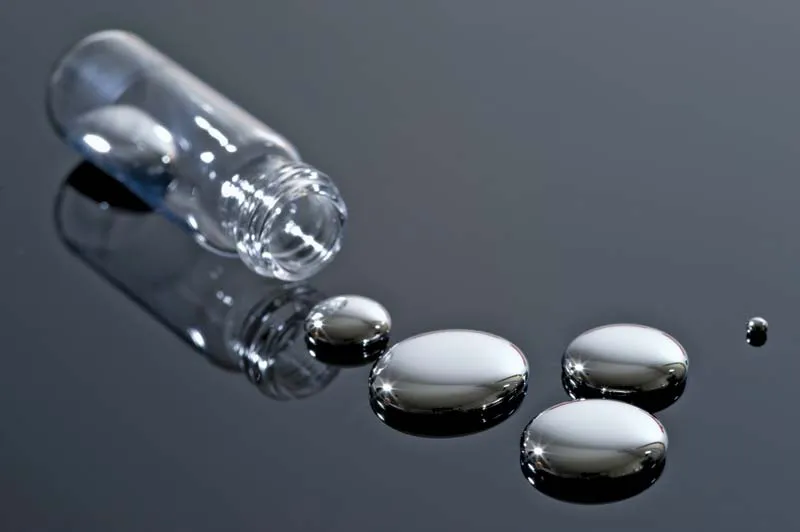

Laboratory analysis of thirty creams from Awka and Enugu markets found most had no detectable mercury, but two contained 200 and 100 micrograms per gram against a WHO limit of 1. Two products slightly exceeded the 2 percent hydroquinone cap.
Many of these creams are reportedly smuggled in, and labels often hide what is inside.
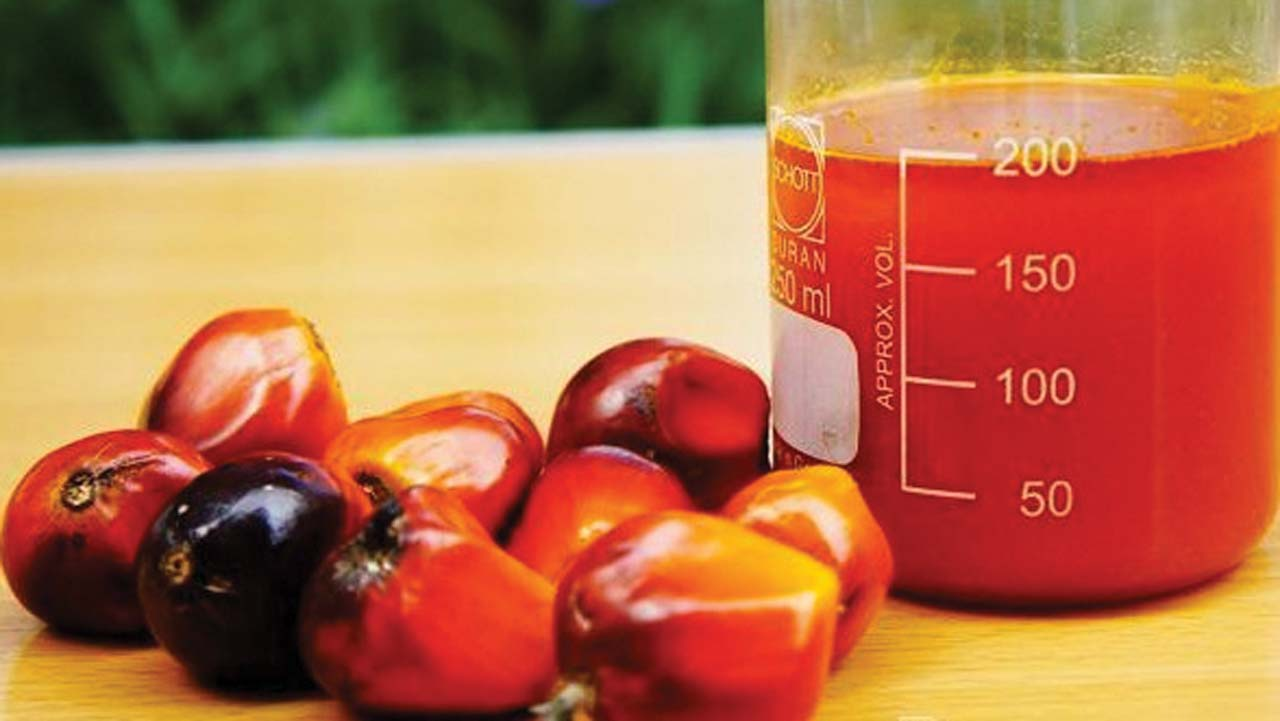
Red Palm Oil: The Sudan Dye Problem
Sudan dyes are industrial azo dyes suspected of causing genetic damage and cancer, and NAFDAC has publicly raised concern about them being used to deepen palm oil's colour.
In Benin City, thin-layer chromatography matched several open-market palm oil samples to Sudan IV.
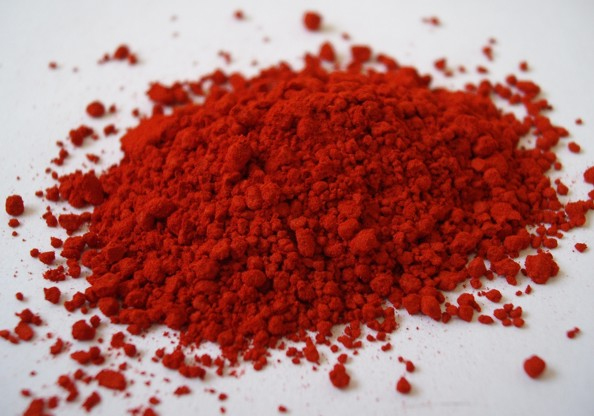
Separate testing of sixty bottles bought in Aba, Calabar, Lagos and Kano checked for Sudan II and heavy metals, and reported high Sudan II levels.
Buyers often judge palm oil by colour, which invites exactly this kind of cheating.
Bread: Potassium Bromate Two Decades After the Ban
NAFDAC banned potassium bromate, a suspected carcinogen, in 2003. Studies since then keep finding it.
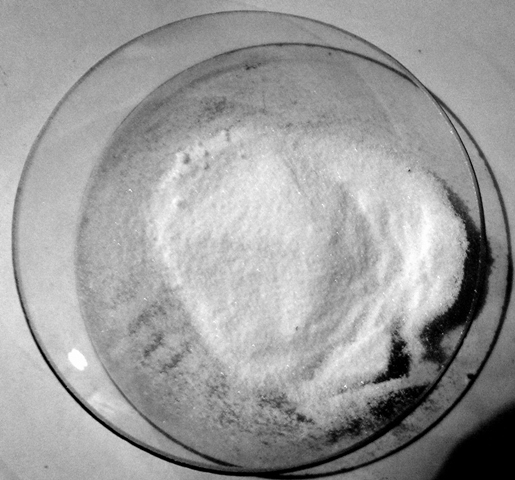
Bread is eaten across income and ethnic lines, so exposure is quite broad.
All thirty loaves bought in Ibadan tested positive, at 1.24 to 9.31 micrograms per gram, while the benchmark used abroad is 0.02.
In Benin City, 62 percent of Nigerian bread samples contained measurable bromate, against 16 percent of Finnish samples, with some Nigerian loaves above 1,000 micrograms per gram.
A review of 47 Nigerian studies found 95.74 percent reported the additive in bread.
Beans: Dichlorvos and Pesticide Residues
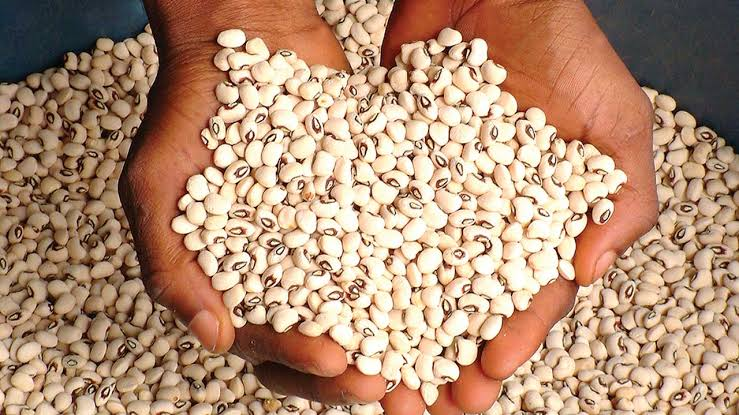
The European Union has rejected Nigerian beans since 2015 after finding dichlorvos between 0.03 and 4.6 mg/kg against a 0.01 limit.
At home, NAFDAC has warned traders against applying dichlorvos, sold as Sniper, directly to beans, and stressed that washing does not remove residues.
A market survey across Ekiti, Oyo, Osun and Ondo States found pesticide residues in beans, maize, millet and rice.
NAFDAC investigations have also linked deaths to beans carrying high pesticide levels.

Mosquito Coils
Coils are among the cheapest mosquito repellents in many Nigerian homes. Coils bought in Lagos shops left ash containing lead, cadmium, arsenic and mercury. Although these chemicals are within recommended limits, there is still a warning about prolonged exposure.
In closed-bedroom tests of five brands common in Nigeria, three pushed carbon monoxide above the 9 ppm indoor limit set by the Federal Ministry of Environment and the WHO.
Wider research shows coil smoke also releases VOCs, formaldehyde and fine particles.
Deodorants and Body Products: Parabens and Triclosan
Parabens and triclosan are preservatives with endocrine-disrupting concerns. Seventy-five lotions, soaps, deodorants, makeup products and toothpastes bought across five districts of Abuja were tested for them.
Methylparaben showed up in 85 percent of products and triclosan in 59 percent, with deodorants carrying the highest levels and toothpaste the lowest.
Everything stayed within European and South African limits, which is reassuring on compliance. However, it raises a fair question about what a full daily routine of leave-on products adds up to, since limits are set product by product.
The Question Behind the Question
A clear pattern is sitting behind these different products: an unlisted chemical, an unchecked limit and a consumer left to bear the risk.
Harmful chemicals in Nigerian products slip through gaps like a missing VOC standard for pads, a banned additive still turning up in bread, and little public testing of packaging.
Regulators can start by requiring test results before registration, publishing lab findings, and making ingredient disclosure mandatory for hygiene and cosmetic products.
Until then, the burden of proof should sit with manufacturers and importers and not with the women, mothers and traders buying these products every day.
Shoppers can help by demanding ingredient lists and reporting suspicious products to NAFDAC.
Product safety in Nigeria should and cannot depend on consumers doing lab work.