You're Drinking Plastic: What Sachet and Bottled Water Could Be Putting in Your Body
Sachet and bottled water may contain microplastics that enter the body. Here’s what research in Africa reveals about plastic in drinking water.
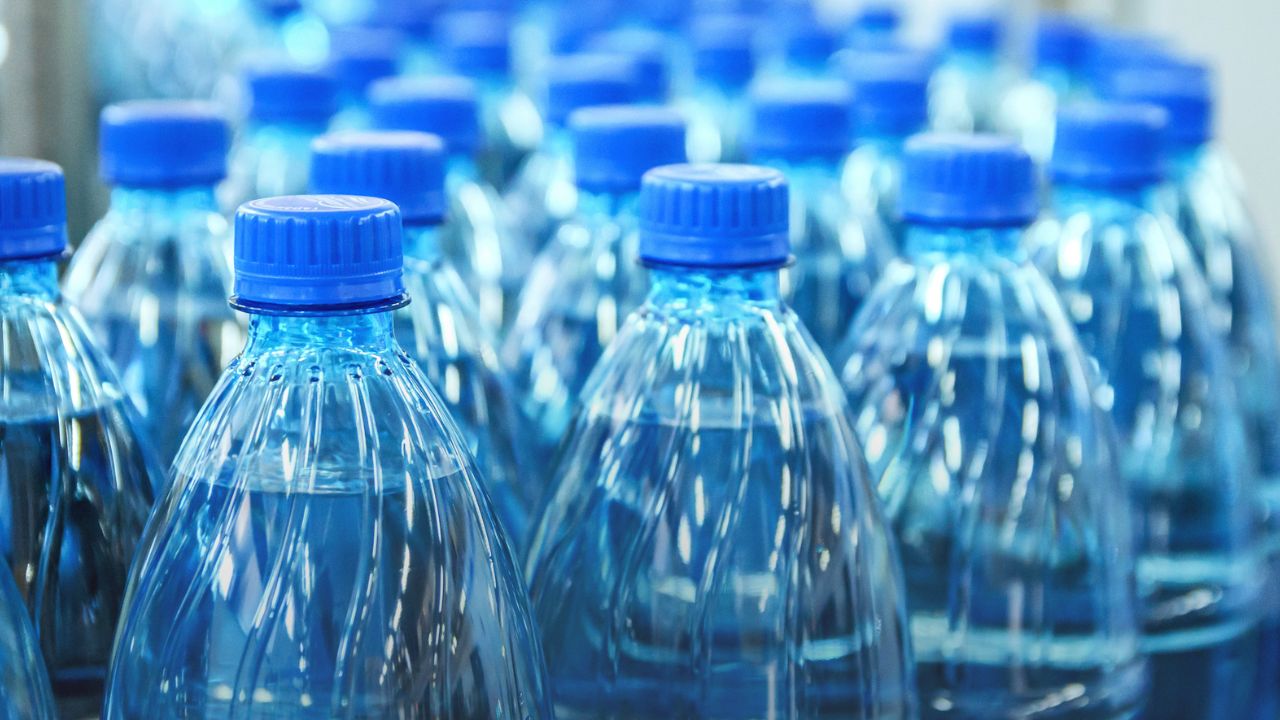
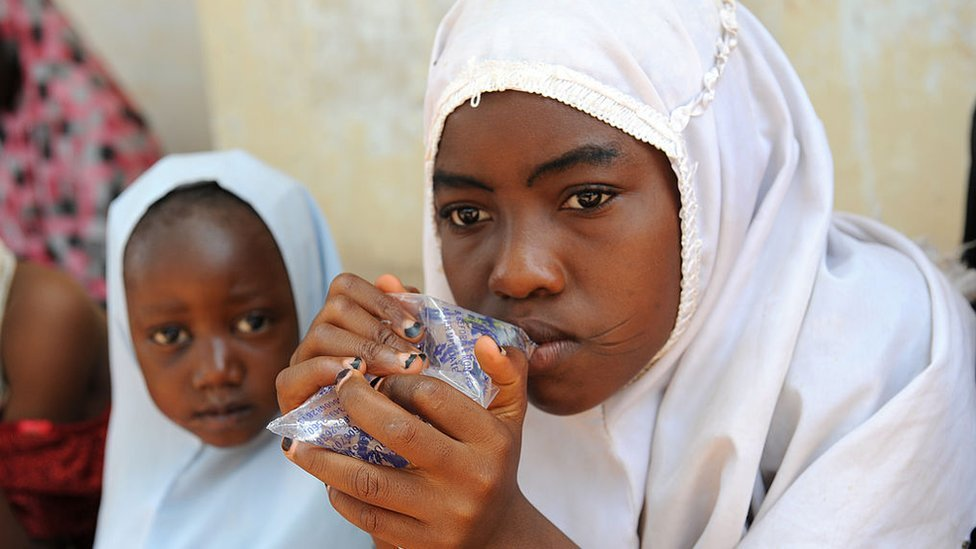
Across Nigeria, Ghana, and much of West Africa, sachet water has become the default drinking water for millions of people. It is cheap, portable, and sold on nearly every street corner. Bottled water fills the same gap for people who want a version that feels "cleaner."
However, the packaging that makes these products convenient is also the problem. Sachet bags and PET bottles are made of plastic that breaks down under heat, sunlight, and rough handling during transport.
In major cities across Africa, water is often stored in hot warehouses or hawked under direct sun for hours. These are conditions that accelerate the shedding of microplastic fragments into the water itself.
What Studies Are Finding in African Drinking Water
Research across the region is starting to confirm what many suspected.
A review of Nigerian packaged water found microplastic concentrations in bottled water ranging widely, with sachet water also showing measurable contamination linked to plastic-derived compounds.
In Kaduna, samples of river water, bottled water, sachet water, and even table salt all tested positive for microplastic particles.
In Ghana, a study of tap and sachet water sampled from schools and hospitals in Tema found microplastics in every single sample collected. This is a 100 percent detection rate, with fibers as the most common particle type.
In South Africa, tap water in Gauteng has also tested positive for microplastic contamination.
These findings mirror a broader review of environmental drinking water sources across the continent linked the problem to unregulated plastic imports, weak waste management systems, and low public awareness.
On a global level, research published in a major American science journal found that a single litre of bottled water can contain hundreds of thousands of plastic particles with most of them nanoplastics too small to see.
If bottled water sold in wealthier markets carries that load, sachet water produced with far less regulation and stored under harsher conditions is unlikely to be any safer.
What Microplastics Actually Do Inside the Body
Microplastics do not simply pass through the body unnoticed. Once ingested, these particles have been detected in human blood, the gut lining, the lungs, the liver, the placenta, and even the brain.
Inside the body, they trigger oxidative stress and inflammation. These are the same processes linked to chronic disease over time.
In the gut, they can damage the intestinal lining and disturb the balance of gut bacteria that supports digestion and immunity.
In the liver, laboratory studies show they can interfere with normal cell function and fat metabolism.
In the reproductive system, animal and early human studies associate microplastic exposure with lower sperm quality and disrupted hormone levels in women.
One of the more alarming recent findings involves the heart. Patients who had microplastic particles embedded in the fatty plaque of their arteries were found to be significantly more likely to suffer a heart attack, stroke, or death within a few years, compared to patients without detectable particles.
Scientists are still working out how much exposure causes lasting harm, and health organisations like the World Health Organization note that typical exposure has not been definitively linked to specific diseases.
However, the direction of the evidence, particle accumulation, inflammation, organ disruption, is consistent enough to take seriously, especially for people drinking sachet or bottled water daily.

Reducing Your Plastic Exposure Where You Live

You cannot fully avoid microplastics, but you can lower your daily intake with a few practical changes.
Always store sachet or bottled water away from direct sunlight and heat, since warmth speeds up plastic degradation. Also, avoid reusing single-use sachets or bottles for multiple days.
Where possible, switch to filtered tap water stored in glass or stainless steel containers.
Lastly, avoid squeezing or biting into plastic sachets, which stresses the plastic and can release more particles
Conclusion
The convenience of sachet and bottled water is not going away soon, and for many communities it remains a genuine improvement over unsafe surface water.
However, convenience should not come at the cost of awareness. As more African-based research emerges, consumers, regulators, and manufacturers all have a role in pushing for safer packaging standards, because the water meant to protect public health should not be quietly working against it.