African Traditional Fashion That Tells Us Who We Are
A quick overview and exploration of African traditional clothing across tribes, uncovering the cultural meaning, history, and identity woven into iconic garments from across the continent.
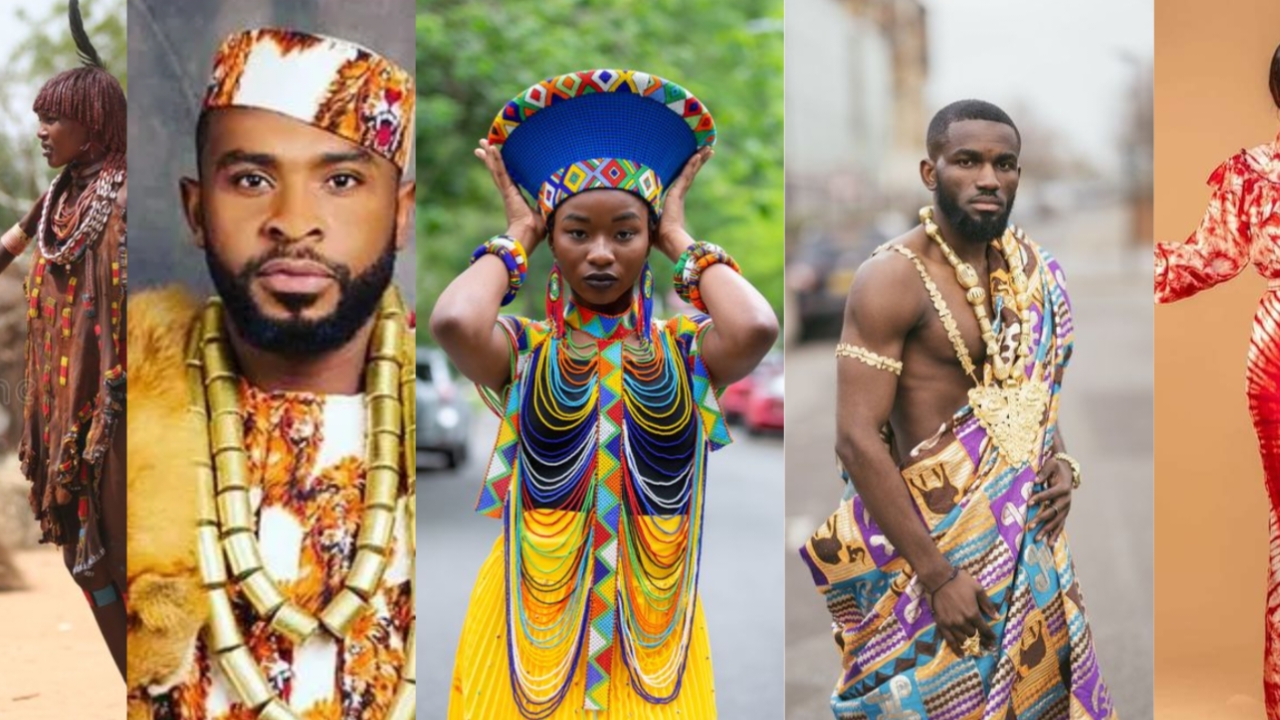
Fashion in Africa has never been just about clothing. It has always been about our identity and who we are etched in memory, traditions, and belonging. Long before fashion houses, stylists and seasonal collections became a thing, what people wore told stories of their tribe, status, age, spirituality, celebration, and history.
Traditional African clothing has always carried meaning stitched into fabric, dyed into patterns, and woven into texture. To look at how people dressed was to understand where they came from and what they stood for.
There is a certain feeling that comes with wearing these fabrics and garments in a public gathering pridefully representing your culture. This clothing reminds us of our elders who dressed with quiet pride, of festivals filled with arrays of color, of weddings that felt really colourful, and of a time when clothing was deeply intentional.
Across the continent, each tribe from different nations has their distinct styles that still resonate today. All of them cant be mentioned, but here are ten African traditional fashion styles that continue to identify tribes, preserve culture, and evoke a powerful sense of heritage.
Dashiki (West Africa)
Source: Google
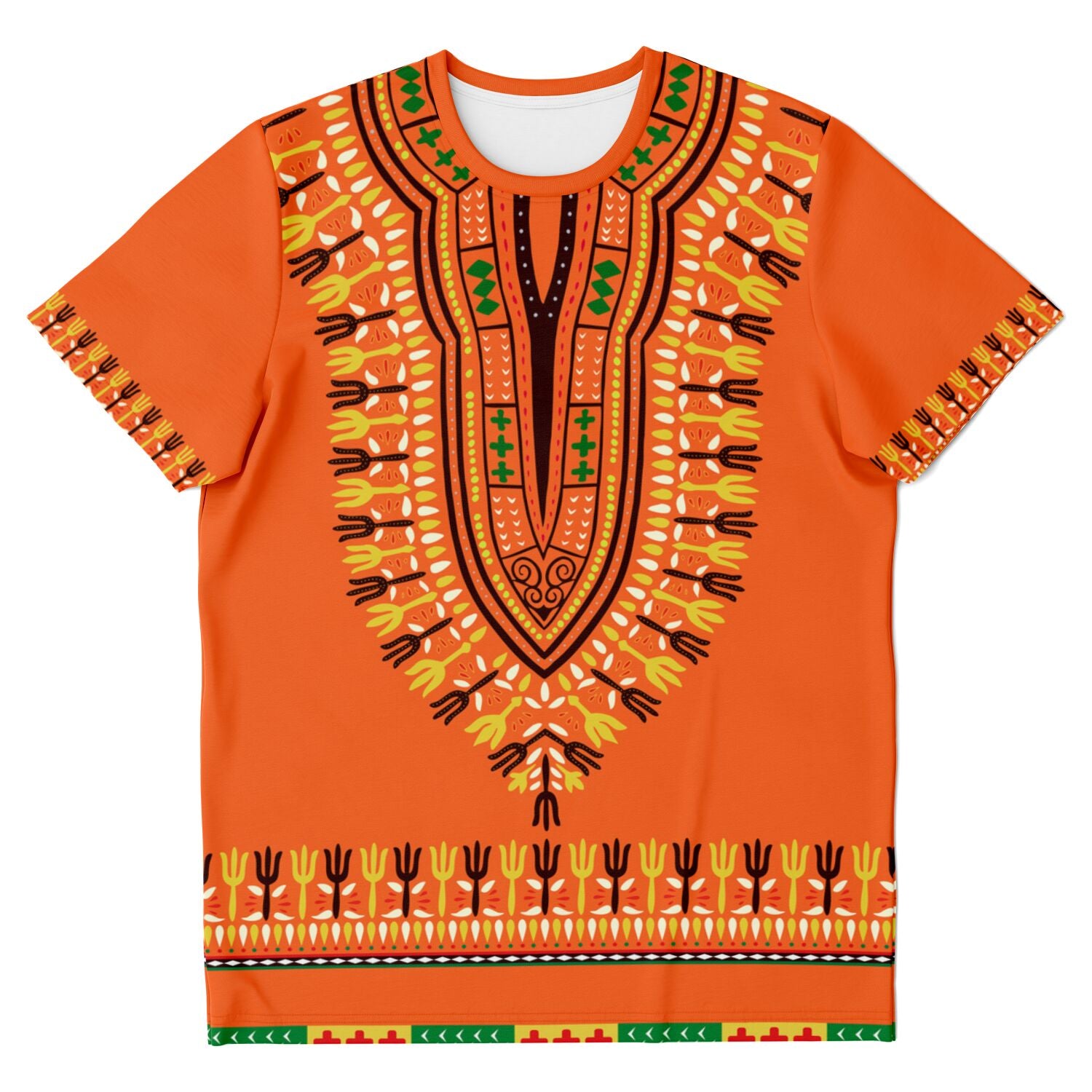
The dashiki is one of the most recognizable African garments, especially across West Africa. It is a loose-fitting tunic, often brightly colored, adorned with bold embroidery around the neckline. In the 1980s, dashikis were common at celebrations, worn with confidence and pride.
Today, the dashiki transcends borders, worn across the diaspora as a marker of African identity, blending effortlessly into both formal and casual settings.
Iro and Buba (Yoruba – Nigeria)
Source: Google
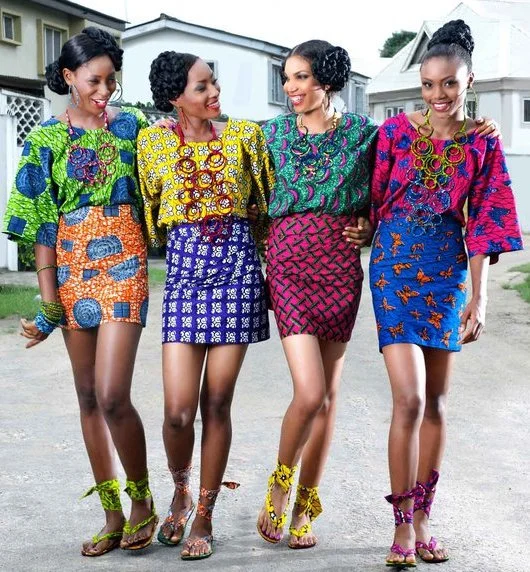
Iro and Buba, also known as Iro ati Buba, is traditional attire worn by Yoruba women. The Iro is a wrap skirt, while the Buba is a loose blouse, often paired with a head tie called gele. Rich fabrics, intricate embroidery, and beads elevate the outfit, especially during weddings and festivals. Over time, the style has evolved, with modern tailoring enhancing its elegance, yet it still carries the warmth of tradition and communal pride.
Kente (Akan – Ghana)
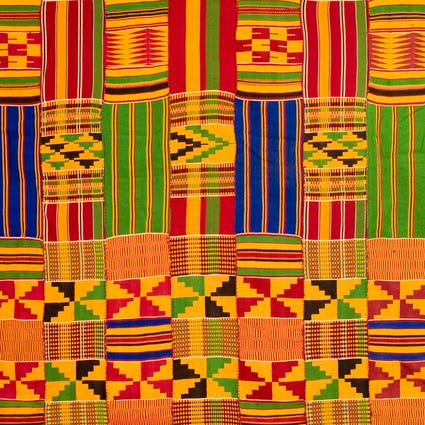
Kente is perhaps Ghana’s most iconic fabric. Handwoven on looms, each strip is carefully crafted, and every color and pattern holds symbolic meaning, from royalty and wisdom to unity and spirituality. Once reserved for kings and queens, Kente has become a global symbol of African excellence. Seeing it worn today, whether at graduation ceremonies or on international runways, evokes a deep sense of continuity between the past and the present.

Agbada (Yoruba & Hausa – West Africa)
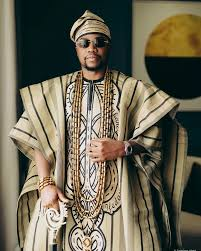
Agbada is a flowing, wide-sleeved robe worn predominantly by men across Nigeria and parts of West Africa specifically among the Yoruba of Nigeria, the Republic of Benin, and Togo. Often made from richly embroidered fabrics, Agbada represents status, maturity, and respect.
Traditionally worn by elders, chiefs, and men of influence, it carries a certain gravitas. Even today, wearing an Agbada by anyone feels ceremonial, a reminder of authority, dignity, and cultural pride.
Shúkà (Maasai – Kenya & Tanzania)
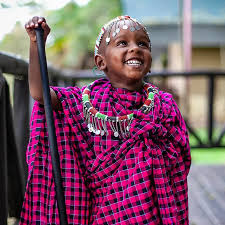
The Shúkà is the traditional garment of the Maasai people. Typically red or checkered, it is wrapped around the body and worn with beadwork accessories. The color red symbolizes bravery and protection. Simple in form but powerful in symbolism, the Shúkà reflects the Maasai’s connection to land, cattle, and community. It still recalls the images of open plains, resilience, and ancestral traditions passed down through generations.
Isi Agu (Igbo – Nigeria)
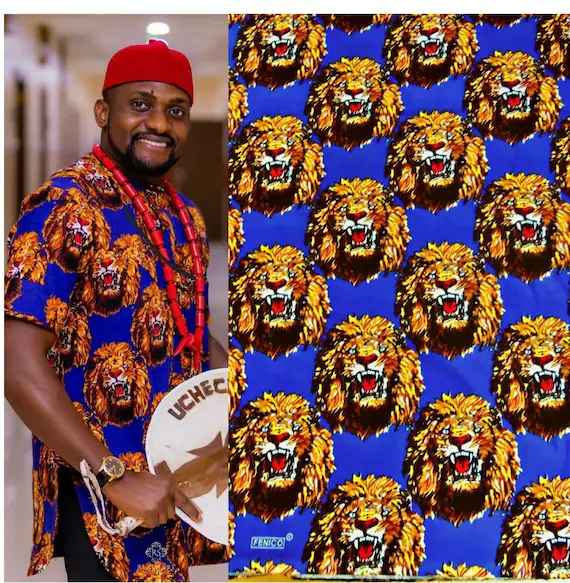
Isi Agu is a patterned cloth traditionally worn by Igbo men, often featuring lion-head motifs. The lion symbolizes strength, leadership, and courage. Usually paired with a red cap and beads, Isi Agu is worn during cultural ceremonies, title-taking events, and festivals. It carries a regal presence, reminding wearers of lineage, masculinity, and communal responsibility.
Aso Oke (Yoruba – Nigeria)
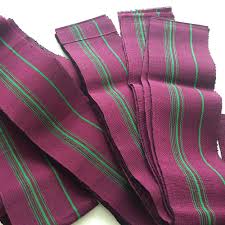
Aso Oke is a handwoven fabric deeply embedded in Yoruba culture. It is commonly worn during weddings, chieftaincy ceremonies, and major celebrations. The texture is thick, the weave intentional, and the colors symbolic. Aso Oke outfits feel ceremonial, often passed down as heirlooms. Wearing it connects generations — a quiet reminder that fashion can carry history in its threads.
Gomesi (Baganda – Uganda)
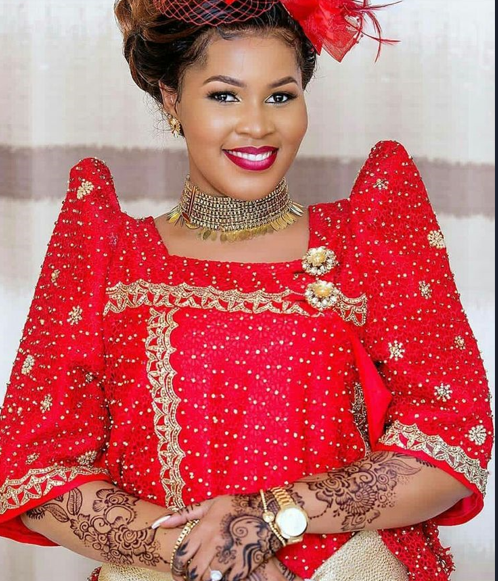
The Gomesi is a traditional dress worn by women from the Baganda tribe in Uganda. Characterized by its square neckline, puffed sleeves, and long flowing silhouette, it is both elegant and modest. Often made from silk or cotton, the Gomesi is worn during weddings, introductions, and cultural ceremonies. Its structured grace reflects femininity, respect, and tradition.
Boubou (Sahel & West Africa)
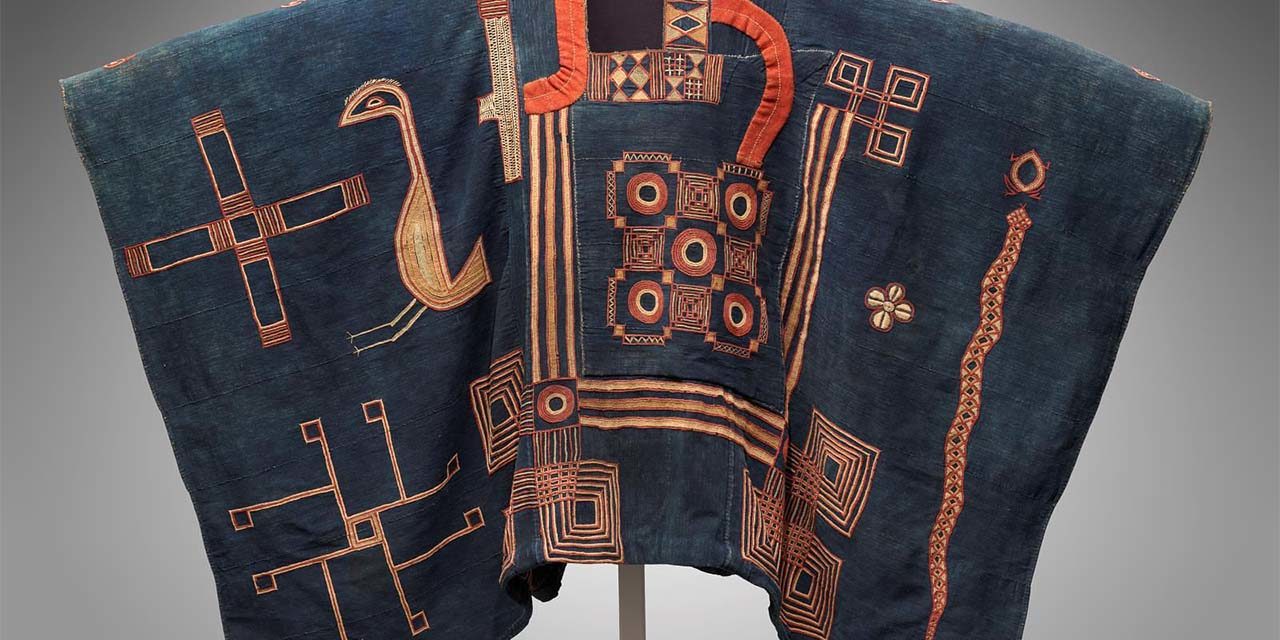
The Boubou is a long, flowing robe worn by both men and women across the Sahel, West Africa and to a lesser extent in North Africa. Similar to Agbada but lighter in design, it is often worn daily as well as for special occasions. The Boubou’s simplicity and comfort reflect a lifestyle shaped by climate, movement, and tradition. It remains timeless, effortlessly blending utility with cultural expression.
Ndebele Beaded Attire (Southern Africa)
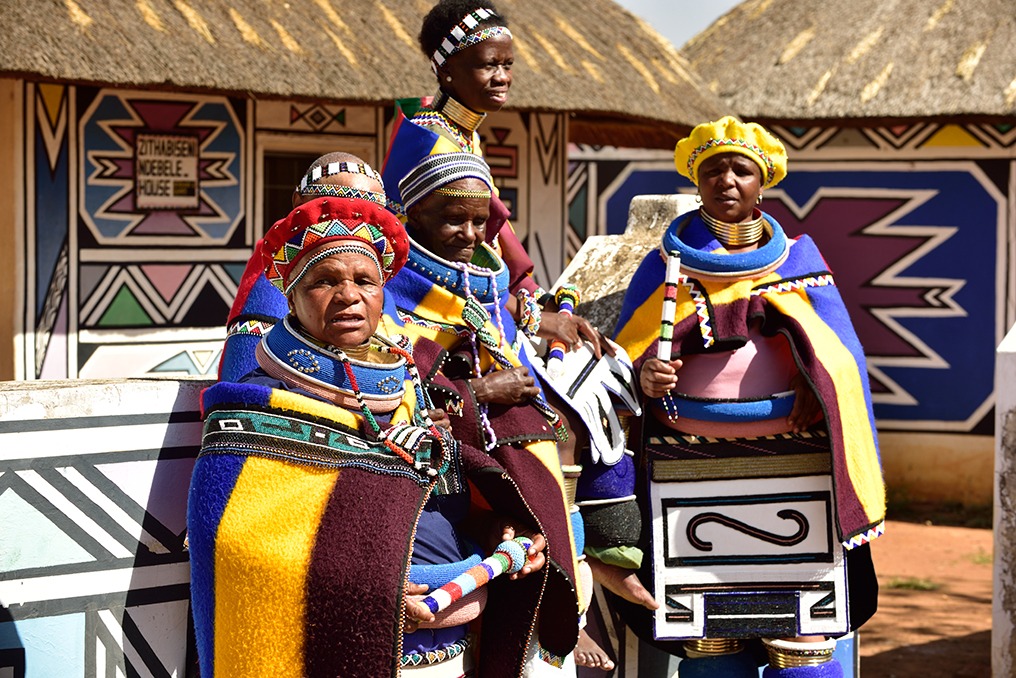
Among the Ndebele people of Southern Africa, clothing is inseparable from beadwork. Women wear intricately beaded garments and accessories, each design reflecting age, marital status, and social standing.
The geometric patterns and bold colors tell visual stories passed down through generations. These garments are living art, wearable history that celebrates identity, creativity, and continuity.
Chagga Traditional Attire (Tanzania – Mount Kilimanjaro Region)
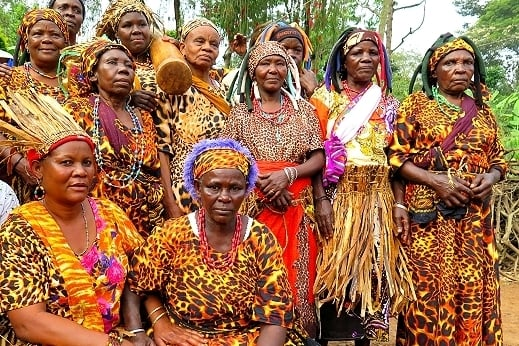
The Chagga people, who live around Mount Kilimanjaro, traditionally wear garments made from animal skins and later cotton fabrics, often in earthy tones. Their clothing was influenced by their culture, shaped by farming life and the mountainous climate. Accessories like bead necklaces and woven baskets complemented the attire. Chagga fashion may not be flamboyant, but it reflects adaptability, resilience, and a deep relationship with land — proof that culture can be expressed in restraint as much as in spectacle.
Bamileke Traditional Attire (Cameroon)
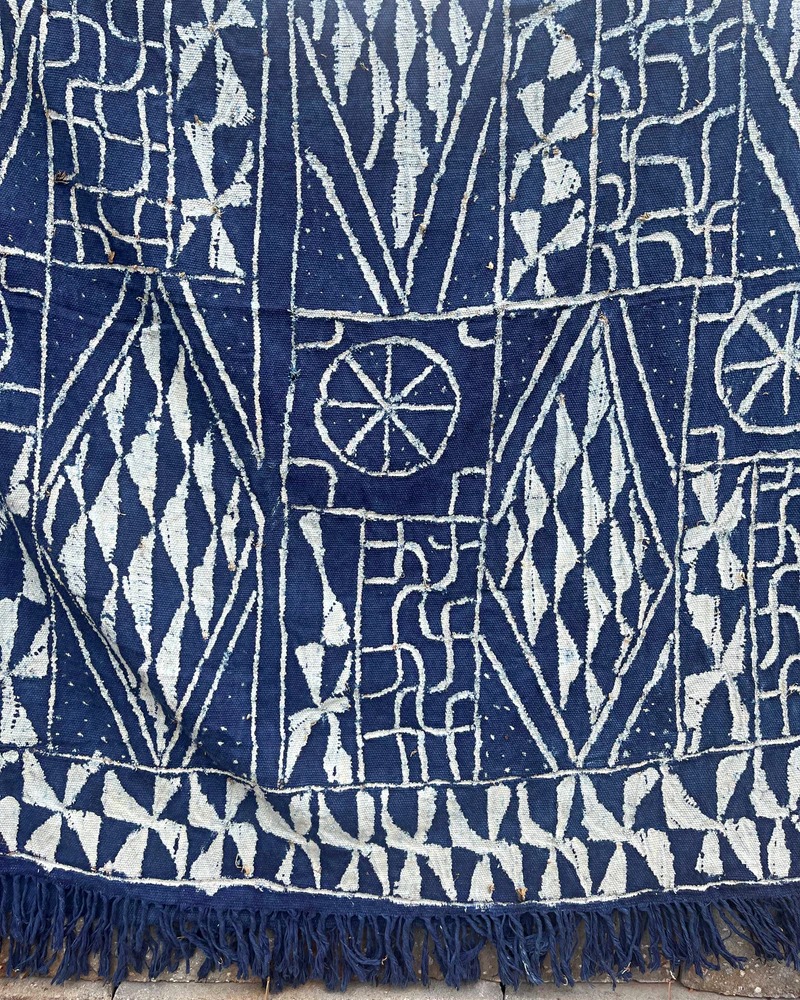
Bamileke traditional clothing is regal and elaborate, reflecting the tribe’s structured political and cultural systems. Chiefs wear heavily embroidered robes adorned with beads, cowries, and symbols of authority. Masks and headdresses are also central, especially during festivals and ceremonies. Bamileke fashion communicates hierarchy and power — when worn, it transforms the body into a symbol of leadership and ancestral continuity.
Conclusion
African traditional clothing is more than fashion, it is memory and years of tradition woven into fabric. Each garment carries stories of ancestors, communities, and cultural values that refuse to fade with time. In a world driven by fast fashion and fleeting trends, these traditional styles remind us of patience, meaning, and intention.
There is nostalgia in remembering and wearing these clothes, in seeing old photographs or recreating them, attending ceremonies, or watching elders dress with quiet pride.
They ground us, reminding us where we come from and who we are. As African fashion continues to influence global style, these traditional garments remain its foundation, timeless, dignified, and deeply human.