African Countries With the Largest IMF Loans
When economic pressure builds, one institution keeps reappearing. Here are 7 African countries with the largest IMF loans; see who tops the list and what these billions reveal about debt, crisis, and survival.
There is a pattern you start to notice when you pay attention to how African economies handle pressure.
When currencies fall, when debt piles up, when governments run out of room to maneuver, one institution keeps showing up.
The International Monetary Fund.
For some countries, IMF loans are a lifeline. For others, they are a last resort that comes with conditions they would rather avoid. Either way, the size of these loans tells a deeper story.
Not just about money, but about policy decisions, timing, and how close an economy is to the edge.
Here are some of the African countries with the largest IMF loan programs and what sits behind those numbers.
1. Egypt
Egypt sits comfortably at the top.
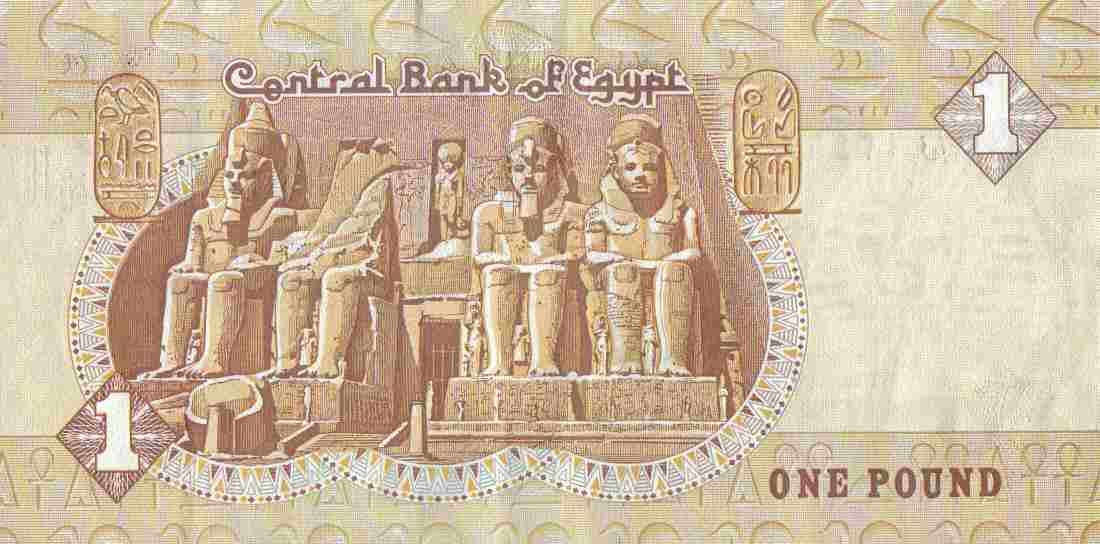
Across multiple programs, Egypt has secured over $20 billion in IMF support in recent years, including a $12 billion Extended Fund Facility in 2016 and a 46-month, $8 billion arrangement approved in 2024, which followed earlier financing rounds.
The reasons are layered. A growing population, heavy import dependence, and repeated external shocks have put pressure on foreign reserves. The war in Ukraine made things worse by disrupting food and energy markets that Egypt relies on.
The Egyptian pound has been devalued multiple times, inflation has surged past 30%at points, and the government has had to make difficult policy choices to stabilize the economy.
IMF support here is not optional. It is central to keeping the system steady.
2. Ghana
Ghana was not always part of this conversation.
For years, it was seen as one of West Africa’s more stable and promising economies. That changed quickly. By 2022, rising debt, currency depreciation, and global economic shocks pushed the country into a full-blown crisis.
Ghana turned to the IMF and secured a $3 billion Extended Credit Facility to stabilize its economy.
At the peak of the crisis, inflation crossed 50 percent, the cedi lost significant value, and the government was forced into a painful debt restructuring process.
The $3 billion Extended Credit Facility (ECF) from the IMF has yielded results earlier than expected, with inflation plunging to a record low of 3.2% in March 2026, down from over 50% in 2022/2023.
The IMF program is now the backbone of Ghana’s recovery effort. But it comes with strict conditions around spending, taxation, and fiscal discipline.
3. Kenya
Kenya represents a different kind of case.
It is not in default. It is not in crisis. But it is under visible strain.

Kenya has accessed over $3.6 billion in IMF support through a mix of Extended Fund Facility and Extended Credit Facility programs.
The issue here is debt sustainability. Public debt has risen steadily, and servicing that debt is taking up a growing share of government revenue. That leaves less room for development spending.
The government has responded with tax increases and fiscal adjustments, but those moves have triggered public backlash and protests.
Kenya is trying to stay ahead of a crisis. The IMF is part of that strategy.
4. Ethiopia
Ethiopia has long been one of Africa’s fastest-growing economies.
But rapid growth came with structural weaknesses. Foreign exchange shortages, rising external debt, and internal conflict have all put pressure on the economy.
Ethiopia has worked with the IMF on reform programs aimed at stabilizing its macroeconomic environment and supporting its debt restructuring efforts.
While exact figures shift as negotiations evolve, IMF support tied to Ethiopia runs into billions of dollars in commitments and planned disbursements.
The challenge here is balancing reform with reality. Economic liberalization takes time, but financial pressure is immediate.
5. Zambia
Zambia shows what happens when debt problems spiral.
Zambia became Africa’s first pandemic-era sovereign default in 2020 after failing to meet its external debt obligations.
The IMF stepped in with a $1.3 billion program to support recovery and restore stability. But the bigger issue has been restructuring Zambia’s debt across multiple creditors, including China and private bondholders.
That process has been slow and complex.
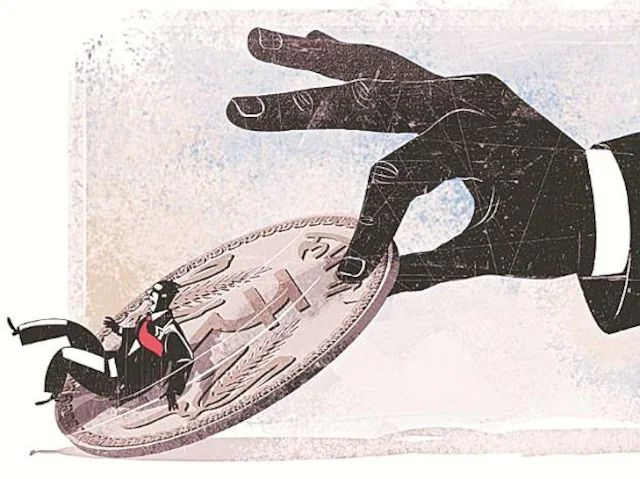
Zambia’s case highlights an important point. By the time IMF loans become this critical, the problem is already deep.
6. Angola
Angola is one of Africa’s largest oil producers, but that did not shield it from debt pressure.
Following the oil price crash, Angola turned to the IMF and secured a $3.7 billion Extended Fund Facility.
The goal was to stabilize the economy, reduce fiscal deficits, and push reforms that would make the country less dependent on oil revenues.
It worked to an extent. Inflation eased, and fiscal balances improved. But the broader challenge remains. Diversifying an oil-dependent economy is slow and difficult.
7. Nigeria
Nigeria often tries to position itself outside the typical IMF story.
And in one specific way, it is.
Nigeria fully repaid the $3.4 billion it borrowed from the International Monetary Fund under the Rapid Financing Instrument during the COVID-19 crisis. By April 30, 2025, the country had cleared the final principal and was no longer listed among IMF debtor nations.
That sounds like a clean break.
But it is not the full picture.
Nigeria still pays residual charges and interest tied to that loan, even after clearing the principal. More importantly, the IMF debt was never the main issue.
Conclusion
Looking at IMF loan figures alone can be misleading.
Big loans do not automatically mean failure. Smaller ones do not guarantee stability. What they usually reflect is timing. A moment when a country needs external support to stabilize its economy or prevent things from getting worse.
Across Africa, those moments are becoming more common.
Rising global interest rates, currency volatility, and structural economic weaknesses are putting pressure on governments. The IMF remains one of the few institutions that can step in at scale.
But the loans themselves are not the real story.
What matters is what countries do after the money arrives.
Some use the opportunity to reset and rebuild. Others fall into cycles of borrowing and adjustment.
The difference is not in the size of the loan.
It is in the decisions that follow.