Africa’s Startup Boom: Top 5 African Cities With The Most Startups
These 5 African cities are turning startups into gold! From Lagos to Cape Town, see where the continent’s future tech giants are being built in 2025.

Startups are more than logos and pitch decks. They’re the engines powering new jobs, creating solutions tailored to African realities, and staking the continent’s claim in the global innovation race.
From fintech breakthroughs to digital marketplaces reshaping commerce, Africa’s urban hubs are rapidly becoming incubators for ideas that matter, locally and globally.
According to the StartupBlink Global Startup Ecosystem Index 2025, Africa now boasts 38 cities among the top 1,000 startup ecosystems worldwide, a rise from previous years.
This signals not just growth, but diversification of entrepreneurial activity across the continent.
Here’s a deeper look at the five cities leading that charge, each with its unique vibe, challenges, and opportunities.
1. Lagos, Nigeria
When it comes to startups in Africa, Lagos isn’t just top-ranked, it’s globally significant. In the 2025 global rankings, Lagos sits at 76th place, the highest among African cities.
Its massive urban population of over 15 million offers a market that few African cities can rival, giving startups instant feedback, rapid adoption, and scale.
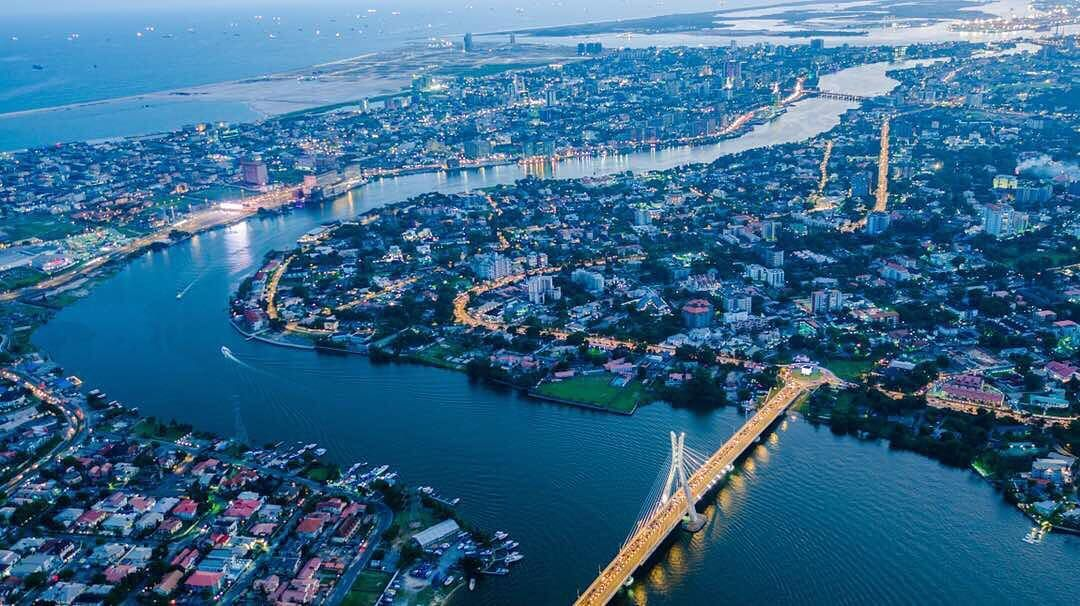
Lagos has produced multiple unicorns, including Jumia, Flutterwave, OPay, Moniepoint, and Interswitch, pushing the city’s tech ecosystem valuation to around $15.3 billion.
Its growth has occurred despite deep infrastructure challenges and economic headwinds, reflecting a culture of hustle more than perfect conditions.
Nevertheless, transportation, inconsistent power, and economic instability continue to push some talent abroad, even as local investors and accelerators work to retain the best minds.
2. Cairo, Egypt
Cairo has been steadily climbing the startup ranks year after year, reaching 89th globally in 2025, its highest position yet.
Its steady improvement over the past five years highlights the ecosystem’s consistency and stability. Cairo leads North Africa by a significant margin, outperforming Casablanca by more than seven times in ecosystem scores.
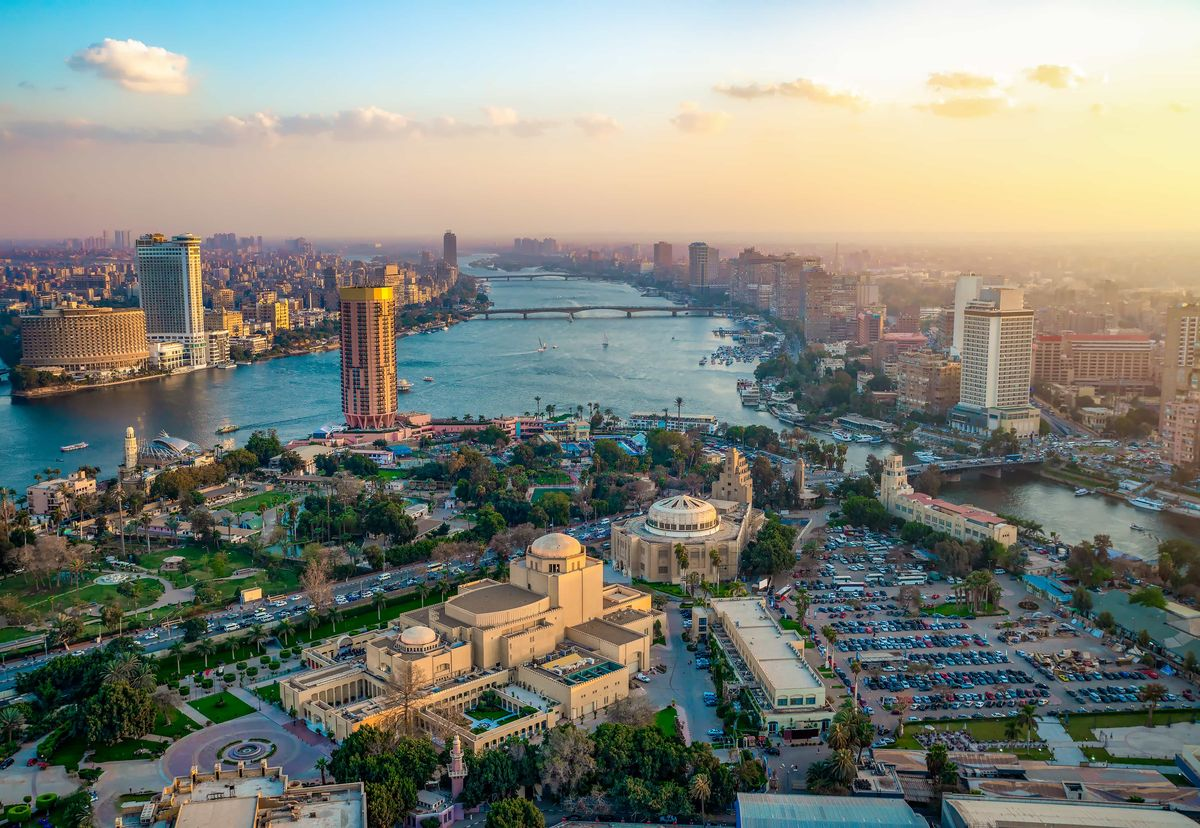
With a population exceeding 23 million, startups in Cairo benefit from a massive consumer base for e-commerce, services, and tech-enabled industries.
Recent policy reforms, increasing access to venture funding, and a growing talent pool from top universities have positioned Cairo as a city attracting global investors and regional attention.
3. Nairobi, Kenya
Nairobi is East Africa’s most influential startup ecosystem, climbing six spots to 107th globally in 2025.
Its startup activity grows at a striking 22% annually, making it one of Africa’s most dynamic hubs. Projects like Tatu City, a startup-focused special economic zone near Nairobi, are redefining urbanization alongside economic opportunity.
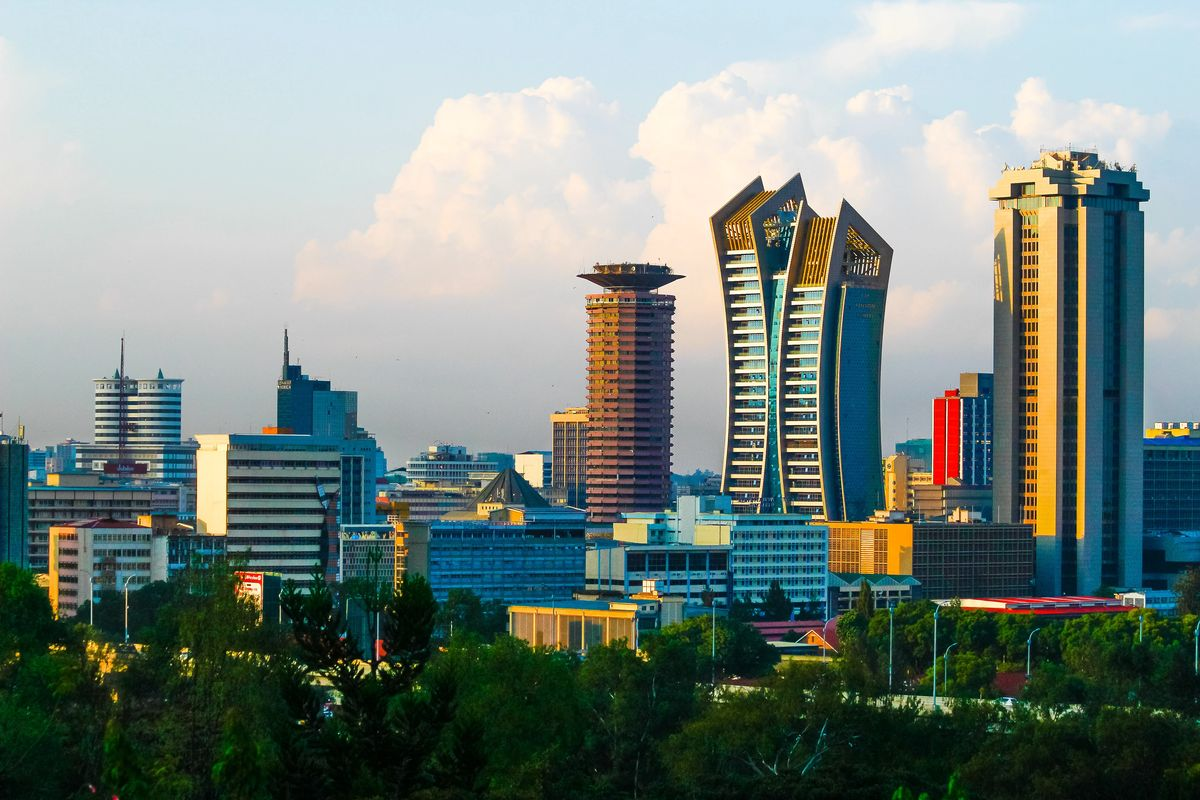
Nairobi accounts for nearly all of Kenya’s startup activity, cementing its role as a regional leader in innovation, investment, and tech-driven economic development.
From fintech and agritech to healthtech and logistics, Nairobi’s startup community is diverse and backed by one of the continent’s most vibrant venture capital networks.
4. Johannesburg, South Africa
Johannesburg’s startup ecosystem is booming, climbing 17 places to 122nd globally in 2025. It overtook Cape Town to become South Africa’s top startup hub, reflecting the city’s rapid momentum.


Johannesburg excels in fintech and payments technology, ranking among the global top 50 in the sector alongside Cape Town. The city also benefits from South Africa’s broad venture funding environment, pulling in significant local and international investment.
Its diversified economy, spanning finance, logistics, and technology, gives Johannesburg a competitive edge for startups seeking stability alongside rapid growth.
5. Cape Town, South Africa
Cape Town remains a key South African startup hub, ranking 138th globally despite a slight dip. Its ecosystem thrives on a combination of academic excellence, lifestyle appeal, and international market orientation.
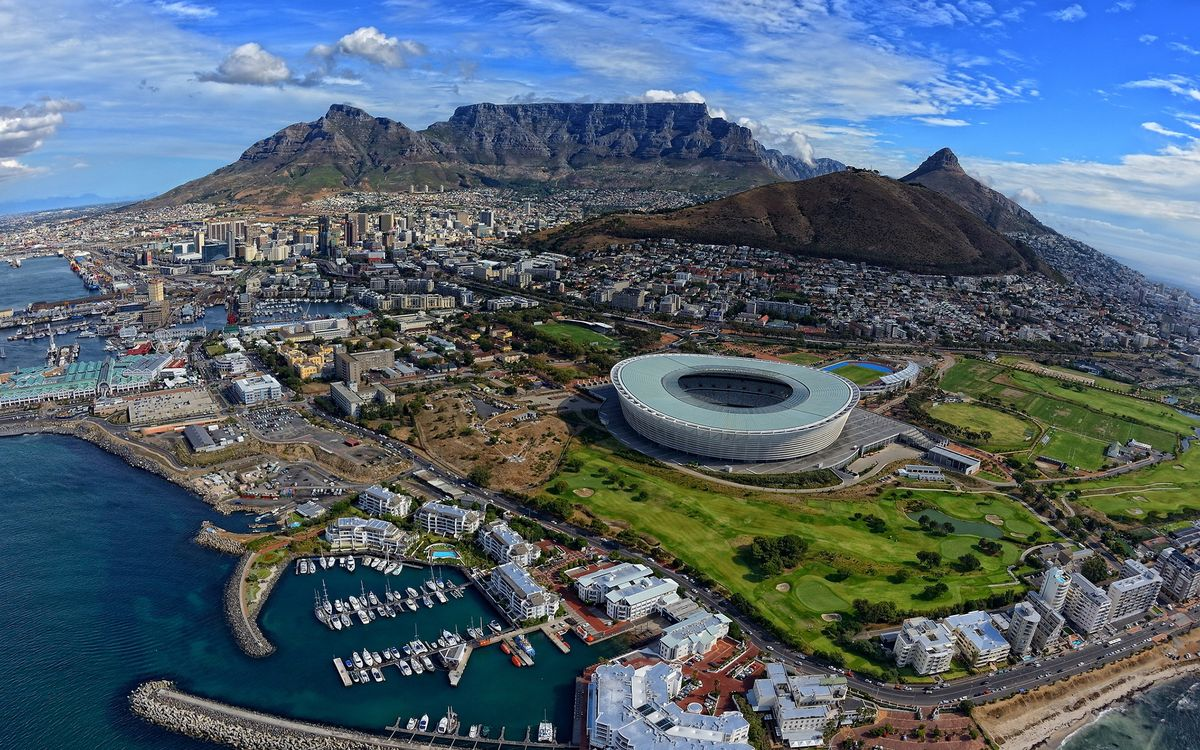
Universities like UCT and Stellenbosch feed a steady stream of talent, while the city’s scenic, liveable environment attracts digital nomads, creatives, and investors.
Many Cape Town startups design products for international markets first, giving them a competitive advantage beyond Africa. Collaboration, creativity, and a culture that blends entrepreneurial hustle with global thinking keep the city relevant despite slower growth than its northern neighbour, Johannesburg.
Beyond the Big Five: Emerging Hubs Across Africa
Africa’s startup story doesn’t stop with these cities. Accra, Kampala, Casablanca, Tunis, and smaller hubs like Windhoek and Kigali are rapidly gaining ground and entering global rankings.
These emerging centres reflect the continent’s entrepreneurial spread, proving that innovation isn’t confined to megacities alone.
Conclusion
For young Africans, these ecosystems aren’t just places on a map; they’re launchpads. Startups are creating roles that didn’t exist a decade ago, from UX designers to growth hackers, and producing solutions tailored to African realities, such as Twiga Foods, M-Pesa-style mobile payments, and voice-driven apps.
African startups are attracting global attention and investment, signalling that the continent is no longer just a market for technology but a creator of globally competitive innovations.
Startups are proof that African ingenuity, youth energy, and digital fluency are reshaping the future. And these five cities? They’re just getting started.