Africa's Dark Files: The Imlil Campsite Murders That Shocked the World
The 2018 Imlil campsite murders in Morocco saw two Scandinavian hikers killed in an ISIS-inspired attack that shocked the world and reshaped terrorism investigations.
There was a tent, a mountain trail and two backpacks belonging to women who had crossed continents to tour and feel free for a few days. By the time French hikers stumbled onto that campsite on the morning of December 17, 2018, the story of what happened there had already started spreading and not through news wires but through a video uploaded straight to the internet.
Two Scandinavian travelers were killed in Morocco's Atlas Mountains with the killers filming their own crime and that digital evidence became the backbone of one of North Africa's most closely watched terrorism trials. This is the story of the Imlil murders.
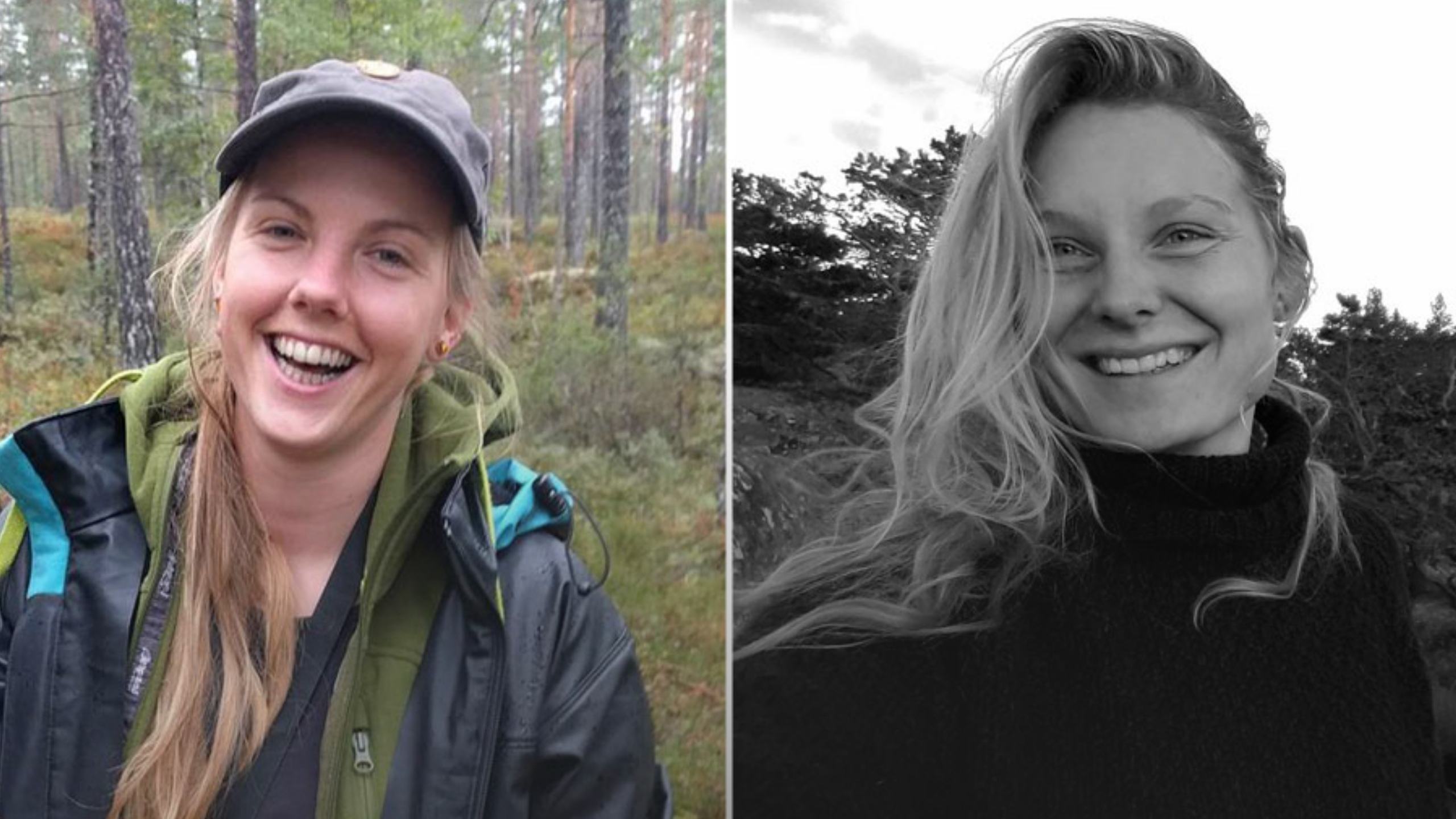
Who Were Maren Ueland and Louisa Vesterager Jespersen
Maren Ueland was a 28-year-old Norwegian woman from Bryne, and Louisa Vesterager Jespersen was a 24-year-old Danish woman from Ikast. Both were students at the University of South-Eastern Norway, where they studied outdoor recreation and nature guidance with the goal of becoming tour guides.
They arrived in Morocco on December 9, 2018, traveling first to Marrakesh before heading into the Atlas Mountains, mainly to chase the kind of trekking experience their studies had prepared them for.
It was a trip built on competence; they were trained outdoors people on a popular hiking route. This detail matters because it deflects any narrative that edges what happened next as a consequence of carelessness.
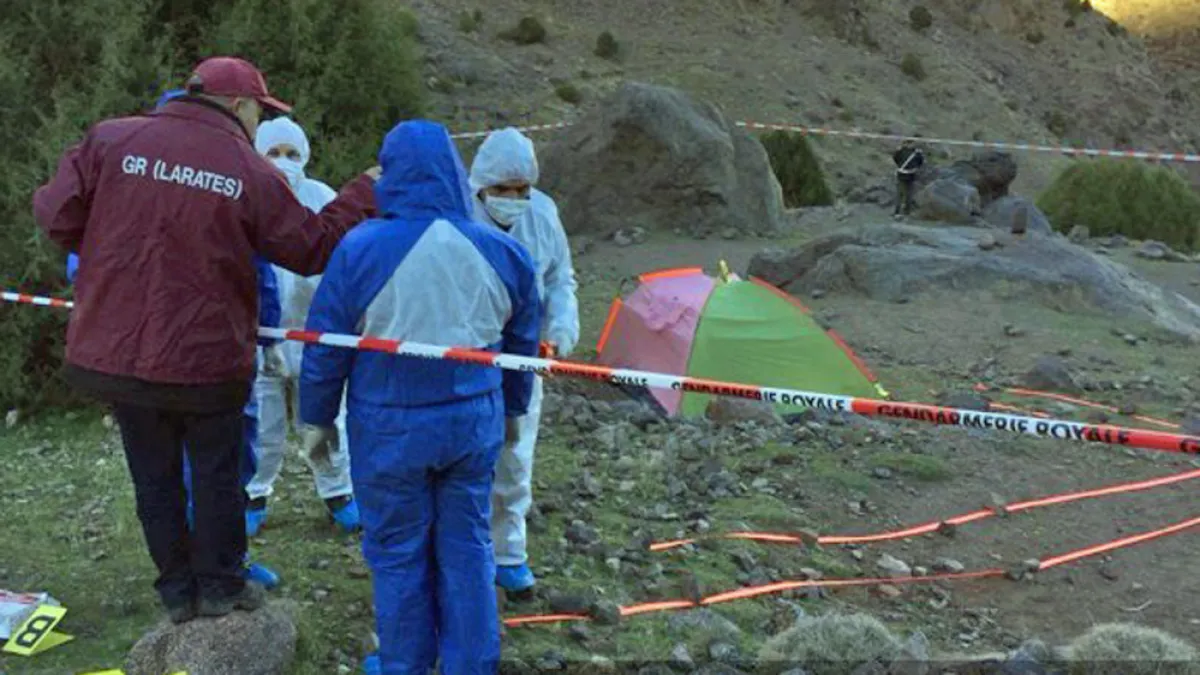
On December 17, 2018, their decapitated bodies were found in the foothills of Mount Toubkal near the village of Imlil. They were killed in their tent with deep cuts to their necks. A pair of French hikers came across the scene near a trail connecting Imlil to Mount Toubkal.
Investigators moved fast. Detectives initially suspected it to be a sexually motivated crime with witnesses and CCTV footage indicating the attackers had followed the women and the killers' own camp was situated only 600 meters from the victims' tent.
That theory dissolved almost immediately once the digital evidence surfaced.
The Video That Changed the Investigation
A video was released online showing several suspects swearing allegiance to the Islamic State while one of them decapitated Jespersen on camera. Two separate videos circulated: one showing the murder itself and another in which the suspects filmed themselves pledging allegiance to ISIS.
The footage, intended as propaganda, became the prosecution's most damning exhibit. The killers had filmed an allegiance video the week before the murders, having agreed in advance to carry out an attack on either security services or foreign tourists, before settling on Imlil to target backpackers.
Tracking Down the Suspects
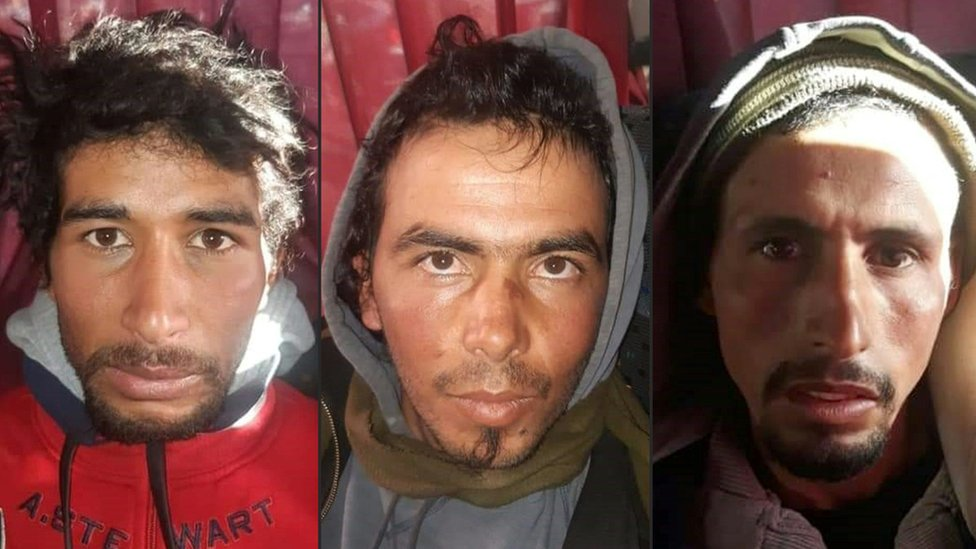
A total of 18 men were initially arrested but as the case grew and the investigators traced the network, more suspects were involved. A suspect named Abderrahmane Khayali was apprehended quickly after police found an identification document left behind in the victims' tent.
Three more suspects named Abdessamad Ejjoud, Rachid Afatti and Younes Ouaziad, were caught the next morning riding a bus through rush-hour traffic in Marrakesh, still carrying bladed weapons.
Ejjoud, identified as the group's leader, had previously been imprisoned for attempting to join the Islamic State in Syria and was released in 2015. In May 2019, he admitted to killing one of the women, the one captured on camera, and confessed to planning the murders with the other two principal suspects.
Inside the Salé Terrorism Trial
Twenty-four people eventually stood trial in Salé, near Rabat. There were twenty-three Moroccan nationals and one Swiss-Spanish convert to Islam. Three defendants faced murder charges directly while the remaining twenty-one faced an array of terrorism-related charges.
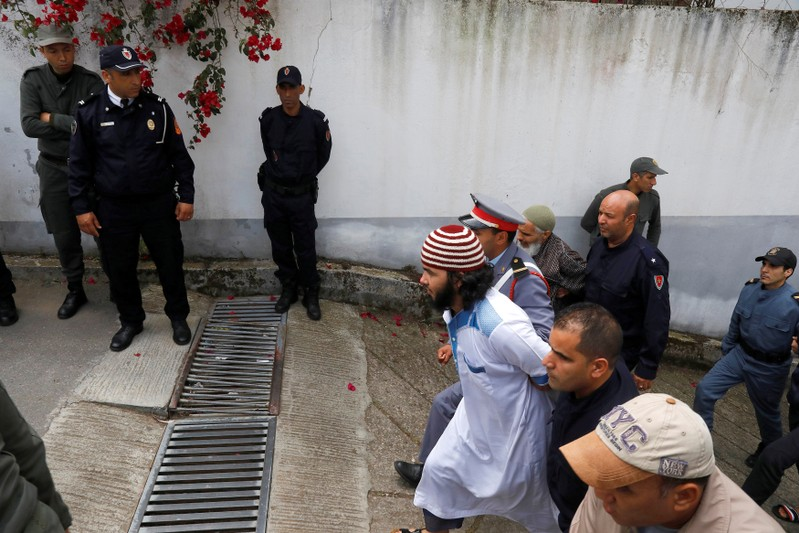
The defendants were charged with premeditated murder, forming a terrorist group and illegal possession of firearms; the trial ran for eleven weeks.
The prosecution described the three principal killers as "bloodthirsty monsters," citing an autopsy that recorded 23 separate injuries on Jespersen's body and seven on Ueland's. In their final statements, the defendants asked God for forgiveness, having already admitted to the killings and their pledge to ISIS, even though the group itself never formally claimed the attack.
Family testimony shaped the courtroom atmosphere as much as the forensic record did. Jespersen's mother, Helle Petersen, wrote in a letter read aloud in court that the men deserved the death penalty they had earned.
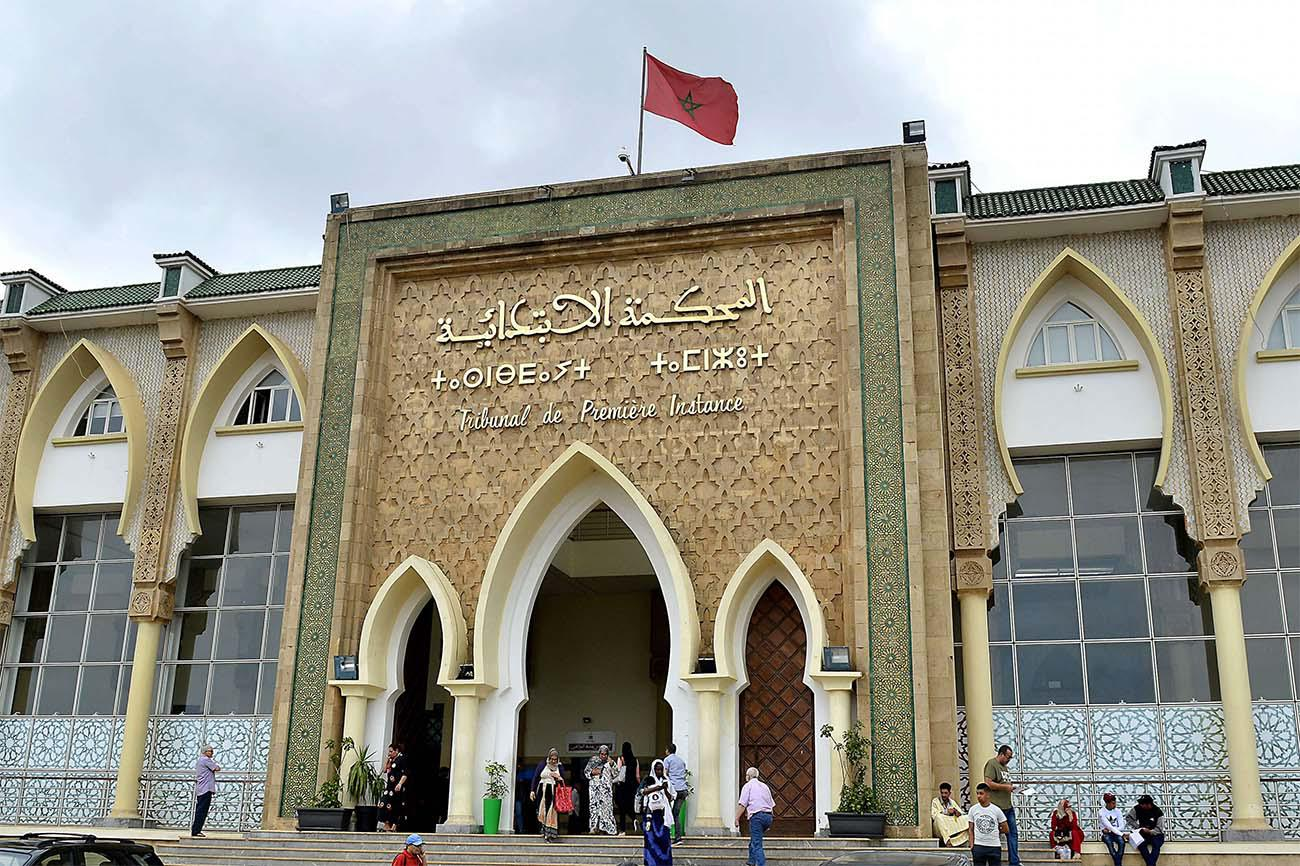
The Verdict: Death Sentences in a Country That Rarely Executes
On July 18, 2019, the Court of Appeal in Salé delivered its verdict. It sentenced Abdessamad Ejjoud, Younes Ouaziad, and Rachid Afatti to death for the double murder.
A fourth defendant, Abderrahmane Khayali, received a life sentence, while the remaining twenty defendants were sentenced to between five and thirty years in prison. Kevin Zoller Guervos, the Swiss-Spanish national, received a twenty-year sentence.

The death sentences carried symbolic weight as Morocco rarely carries out executions; the country's last one took place in 1993. The verdict was therefore less about imminent execution and more a judicial statement.
The court also ordered the four main defendants to pay roughly US$209,000 in damages to Ueland's family, though it declined a request from Jespersen's family for the Moroccan state itself to pay compensation.
What the Imlil Case Exposed
The case forced uncomfortable conversations that outlasted the trial. Jespersen's family lawyers accused Moroccan authorities of failing to adequately monitor the activities of some of the suspects before the murders took place. This is a claim that put Morocco's counter-radicalization infrastructure under international scrutiny.
The killers weren't foreign infiltrators; they were locals, some with prior terrorism-related arrests, who had been released and went on to plan an attack in plain sight.
It also reframed how investigators think about evidence in the social media age. The killers didn't even try to hide their crime — they broadcast it. That decision, meant to maximize propaganda value, instead handed prosecutors a self-incriminating record that made denial impossible.
For travelers, the case became a grim case study in remote hiking risk versus targeted ideological violence and this distinction matters enormously for how Morocco's tourism authorities responded in the years after.