FashionLore: What Is Really the Difference Between Gele and Ichafu?
Gele or Ichafu? Find out the history behind the two African headwear traditions, what sets them apart, and how centuries of cultural exchange blurred the line between them.
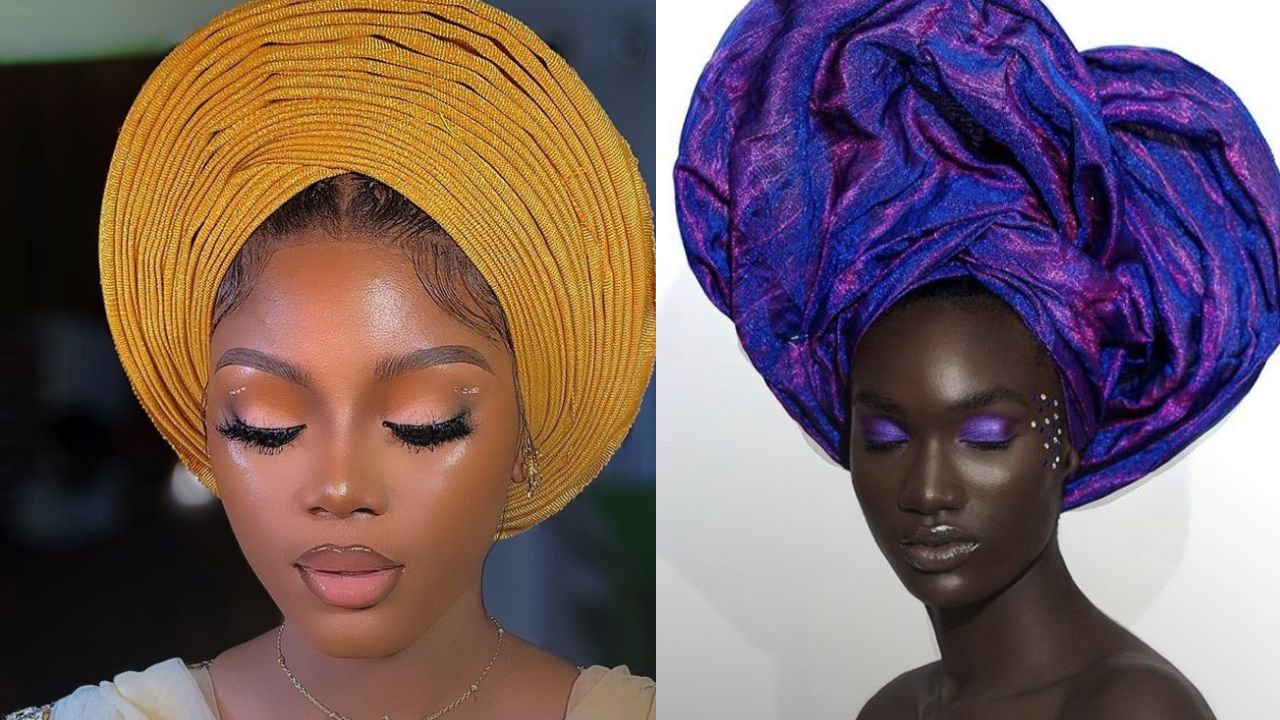
It has become quite common to see an argument break out under wedding photos and videos on Instagram and Tiktok.
A bride posts her traditional marriage video and someone in the comments asks for the gele artist because it “ate” and a reply fires back, “it is not gele, that is Ichafu”.
Now, if you have no way to differentiate which is gele and which is Ichafu, this is for you. Let’s dig deep into the background of both and which one really came first.
What Gele Actually Means
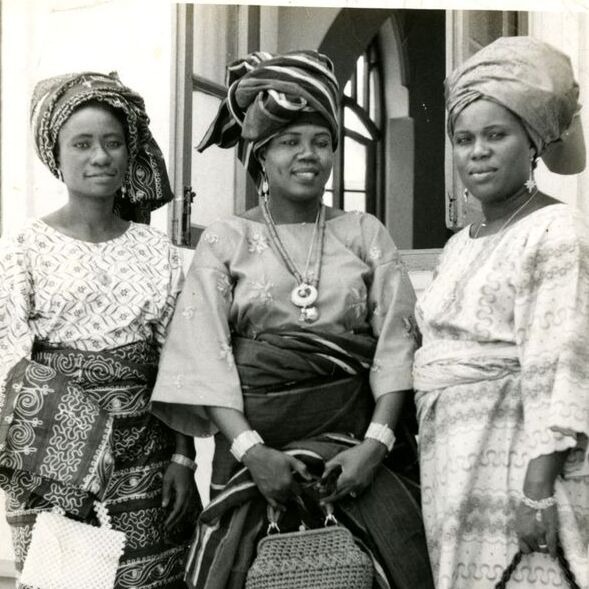
Gele is a Yoruba word, and it is not just one generic term for headtie. It comes from the root "ga," meaning high, and "ele," meaning a raised surface. Put together, gele literally translates to something that is elevated or raised above the surface.
Yoruba geles are built to rise, often sculpted several feet above the head in shapes with names like fan gele, rose gele or the 1960s "onilegogoro," a skyscraper-inspired style named after Ibadan's Cocoa House.
Gele is also a specific category. In Yoruba fashion, it is distinct from ibori which is a plain headscarf, and iborun, the term for a shawl.
Not every piece of cloth on a Yoruba woman's head is gele; it has to be styled, pleated, and structured, traditionally from stiff aso-oke, and later from damask, brocade and imported metallic fabrics.
The practice ties into a deeper Yoruba belief that the head, or "ori," is sacred, which is part of why dressing it became such an elaborate art form.
What Ichafu Actually Means
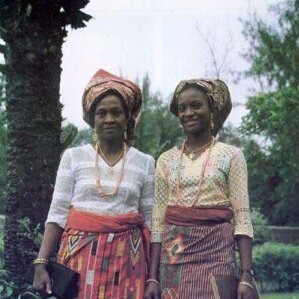
Ichafu is the Igbo term most Nigerians now use for the traditional headwrap of Igbo women. But it was not always called that.
Before "ichafu" became widespread, the same headgear went by names like unari, ulari, ilari, aka-isi, or okaraisi, depending on dialect, and it carried social weight, usually signaling a woman's marital status or title within the community.
There are two competing explanations for where the word "ichafu" comes from, and Nigerians online rarely agree on which is correct.
One theory says it is a loanword from the French "chiffon," picked up through European trade contact in the late 1800s. The other, backed by Igbo linguistic analysis, traces it to native verb roots meaning "to gather and wrap the head," describing the actual technique of tying it.
Either way, the headwrap itself predates the word. European travel accounts from as early as 1841 already describe Igbo women wearing structured headcloths, well before "ichafu" became the dominant term for it.

So, Which One Actually Came First?
This is the question everyone wants a clear answer to, and the honest truth is that the documentation does not hand us a clean account. Head-wrapping as a general practice across West Africa is old, with some researchers dating it back to at least the 1400s.
Both Yoruba and Igbo societies were wrapping their heads long before colonial contact, so neither community "invented" the act of tying cloth around the head.
What differs is how early each specific style was documented in writing. Descriptions of Igbo headcloths, referred to as ichafu, appear in European accounts as early as 1841.
The earliest well-known photographic evidence specifically of Yoruba gele, such as images of Madam Efunroye Tinubu, comes from the 1880s.
This is, however, not solid enough evidence to declare a definitive first. What we can say with confidence is that both are pre-colonial, indigenous and developed independently rather than one being a copy of the other.
Why the Two Keep Getting Mixed Up
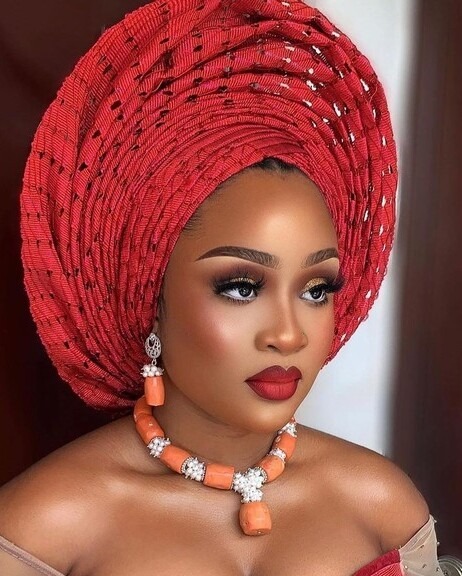
As far back as 1955, the anthropologist, Simon Ottenberg, documented Igbo women from Afikpo wearing Yoruba-style headties after traveling through other parts of Nigeria, showing that cross-cultural borrowing was already happening within a generation of independence.

A separate 1980s comparative study found that Igbo headscarves at the time were still notably simpler and lower than the tall, turban-like Yoruba gele, which made Yoruba women visually distinct even from a distance.
That distinction has faded. Decades of intermarriage, shared Nollywood wardrobes, and a booming professional gele-tying industry mean the towering Yoruba style is now worn at Igbo weddings, and Igbo women dominate the "gele artist" scene in cities across the Southeast.
Meanwhile, styles like ichafu nnukwu, the large, voluminous Igbo headwrap, have grown just as architectural and sculpted as any gele, narrowing the visual gap that once made the two easy to tell apart on sight.
The Real Difference That Matters
Strip away the online arguments and the only clearly seen difference is that gele is a Yoruba word for a specifically structured, elevated headtie rooted in the idea of raising the head, while ichafu is the Igbo term for a headwrap with its own separate linguistic and social history, once known as unari or ulari.
Neither is a renamed version of the other. They are two distinct cultural inventions that, thanks to decades of shared celebrations and stylists moving between communities, now sometimes look nearly identical on the outside.
So next time a comment section erupts over whether a headpiece is gele or ichafu, the real answer is that it might genuinely be either, or a modern hybrid of both, and that is not a loss for either culture. It is just what happens when two rich traditions have spent a century sitting at the same party.