Africa Is Independent. So Why Are Our Judges Still Wearing Colonial Wigs?
It’s been 50 years since Britain left Africa, yet colonial wigs remain in many courtrooms. The history, countries that abolished or never adopted wigs, and the ongoing tradition reveal deeper questions about independence, identity, and decolonizing institutions
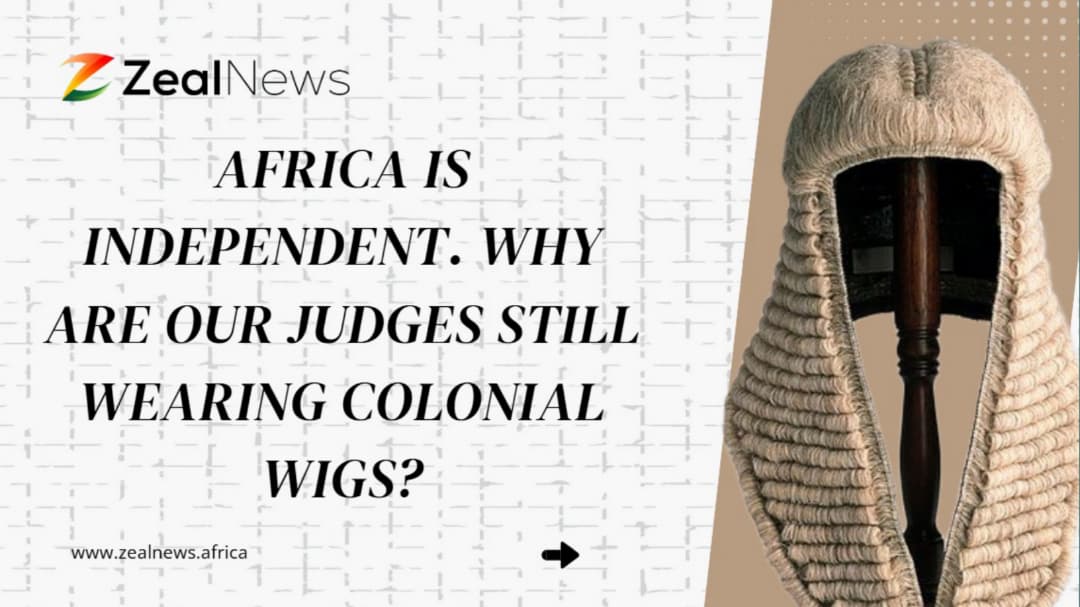
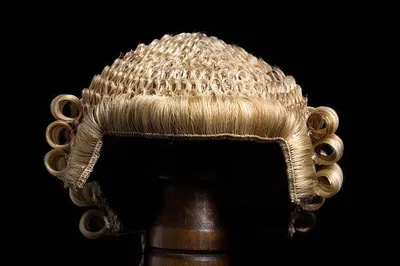
Walk into a courtroom in some African countries, and one thing immediately stands out: judges and lawyers wearing old-fashioned powdered wigs.
Africa is independent now, right? So why are we still seeing something that looks like it belongs in 18th-century England?
The Colonial Origin of the Judicial Wig
Judicial wigs did not originate in Africa.
They were introduced by the British in the 17th century, at a time when wigs also known as perukes or periwigs were a sign of status and authority in Europe.
When Britain expanded its empire, it exported not just laws but also courtroom culture…robes, language, procedures, and wigs.
Colonial courts across Africa were built to look and feel British.
The white wig became part of that performance of power. It was meant to signal superiority, order, and control.
For Africans standing trial under colonial rule, the wig was a visual reminder of who held authority.
When independence arrived, flags were lowered, anthems changed, and governments became African-led. Yet the courtroom remained almost untouched.
Why the Tradition Has Survived

So why, decades after independence, are wigs still used?
First, legal systems in many African countries are still based on British law.
Many African countries inherited the British common law system, and with it came long-established courtroom customs.
Changing those customs might risk weakening the authority of the courts.
There is also the argument of neutrality.
Judges and lawyers say wigs help remove personal identity from the courtroom.
The wig hides hair, age, and personal style, forcing attention onto the office rather than the individual.
Justice, after all, is meant to be blind.
In countries with deep ethnic and religious diversity, the uniform look is seen as a shield against bias.

The judge in a wig is not Yoruba or Kikuyu or Ashanti, just “the court.”
For many legal professionals, especially older ones, the wig is also a badge of achievement.
Years of training, exams, and discipline are symbolized by that white horsehair. Removing it feels, to them, like stripping away dignity.
African Countries That Abolished or Never Used Wigs
Some African countries never adopted wigs at all:
Ethiopia: The country was never colonized (except for a brief Italian occupation) and never inherited the British-style judicial wig. Judges here wear robes based on Ethiopian tradition.
Rwanda: After the 1994 genocide, Rwanda’s legal system was rebuilt. It borrowed elements of Belgian civil law and modern reforms, but colonial wigs were never part of the system.
In these countries, court attire was always local or practical, so the issue of abandoning wigs never arose.
Some countries actively removed wigs from court dress:
South Africa: Wigs were officially removed after apartheid ended in 1994. Judges now wear formal robes and bands, but no white powdered wigs. The change reflected a desire to make the judiciary feel South African rather than colonial.
Malawi:Judges have suspended the use of wigs during extreme heat. While not formally abolished nationwide, the suspension highlights practical concerns and sparks ongoing debates about whether wigs should remain.
Burkina Faso: The government officially banned European-style wigs in courts, replacing them with attire inspired by local culture.
Wigs raise bigger questions: If our judges still wear colonial attire, are our institutions really ours? Are we free if the system, the rules, and even the clothing still feel foreign?
The conversation about wigs is really a conversation about identity, culture, and what it means to be independent in both action and spirit.
A Question That Lingers

Every time we see a judge in a colonial wig, we are reminded that independence is more than a political status, it is a daily choice.
It’s about what we keep, what we discard, and what we dare to imagine for ourselves.
If a piece of clothing can carry centuries of history and power, then what else in our society quietly carries the weight of the past?
And if we can challenge the wig, why not challenge the laws, the institutions, and the traditions that still echo foreign rule?
Maybe true freedom isn’t just what we inherit or reject, it’s what we dare to reinvent.
Every time we question why a wig is on a judge’s head, we are asking a deeper question: what does independence really look like, when it’s stripped of symbols, and judged by the people it serves?